As a professional supplier of hydraulic cylinders, I’ve witnessed firsthand the critical role these components play in a wide range of industries, from construction and manufacturing to automotive and aerospace. One often overlooked issue that can significantly impact the performance and longevity of a hydraulic cylinder system is the presence of air. In this blog post, I’ll explore the various impacts of air in a hydraulic cylinder system and discuss how to mitigate these issues. Hydraulic Cylinder
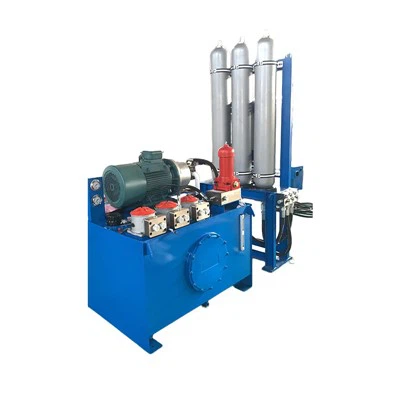
Understanding the Basics of Hydraulic Cylinder Systems
Before delving into the impact of air, it’s essential to understand the basic principles of a hydraulic cylinder system. Hydraulic cylinders convert hydraulic energy into mechanical energy, generating linear motion. They consist of a cylinder barrel, a piston, a piston rod, and various seals. The hydraulic fluid, typically oil, is used to transmit force from the pump to the cylinder, causing the piston to move.
The efficiency and reliability of a hydraulic cylinder system depend on the proper functioning of all its components, including the hydraulic fluid. The fluid must be clean, free of contaminants, and have the right viscosity to ensure smooth operation. However, air can enter the system through various means, such as leaks, improper filling, or cavitation, and can have a detrimental effect on the system’s performance.
The Impact of Air on Hydraulic Cylinder Performance
1. Reduced Efficiency
One of the most significant impacts of air in a hydraulic cylinder system is reduced efficiency. Air is compressible, unlike hydraulic fluid, which is relatively incompressible. When air is present in the system, it can be compressed during the operation of the cylinder, causing a loss of energy. This means that more energy is required to achieve the same amount of work, resulting in higher operating costs and reduced productivity.
For example, if there is air in the hydraulic fluid, the piston may not move smoothly or may experience a delay in response. This can lead to jerky movements, uneven forces, and reduced accuracy in the operation of the equipment. In some cases, the presence of air can even cause the cylinder to stall or fail to operate altogether.
2. Increased Wear and Tear
Air in the hydraulic cylinder system can also lead to increased wear and tear on the components. When air is compressed, it can generate heat, which can cause the hydraulic fluid to break down and lose its lubricating properties. This can result in increased friction between the piston and the cylinder walls, leading to premature wear and damage to the seals and other components.
In addition, the presence of air can cause cavitation, which is the formation and collapse of vapor bubbles in the hydraulic fluid. Cavitation can cause pitting and erosion on the surfaces of the cylinder and piston, further reducing the lifespan of the components. Over time, this can lead to costly repairs and replacements.
3. Noise and Vibration
Another noticeable impact of air in a hydraulic cylinder system is the generation of noise and vibration. When air is present in the system, it can cause the hydraulic fluid to flow unevenly, resulting in pressure fluctuations and vibrations. These vibrations can be transmitted to the equipment and can cause excessive noise, which can be a nuisance to operators and can also indicate potential problems with the system.
In some cases, the noise and vibration can be so severe that they can affect the performance and safety of the equipment. For example, excessive vibration can cause loose connections, misalignment, and damage to other components, leading to further problems and downtime.
4. System Instability
Air in the hydraulic cylinder system can also cause system instability. The compressibility of air can make the system more difficult to control, as the pressure and flow of the hydraulic fluid can vary unpredictably. This can lead to erratic movements, inconsistent performance, and difficulty in maintaining the desired position or force.
In addition, the presence of air can cause the system to become more sensitive to changes in temperature and pressure, which can further exacerbate the instability. This can make it challenging to operate the equipment safely and efficiently, especially in applications where precise control is required.
Causes of Air in Hydraulic Cylinder Systems
There are several ways that air can enter a hydraulic cylinder system. Some of the most common causes include:
- Leaks: Leaks in the hydraulic system can allow air to enter the system. This can occur at the seals, fittings, or other connections.
- Improper Filling: If the hydraulic system is not filled correctly, air can be trapped in the system. This can happen if the system is not bled properly or if the fluid level is too low.
- Cavitation: Cavitation can occur when the pressure in the hydraulic system drops below the vapor pressure of the hydraulic fluid, causing vapor bubbles to form. These bubbles can then collapse, creating shock waves that can damage the components and allow air to enter the system.
- Contaminated Fluid: Contaminated hydraulic fluid can contain air bubbles or other impurities that can cause problems in the system. This can occur if the fluid is not properly filtered or if it has been exposed to moisture or other contaminants.
Mitigating the Impact of Air in Hydraulic Cylinder Systems
To mitigate the impact of air in a hydraulic cylinder system, it’s essential to take proactive measures to prevent air from entering the system and to remove any air that may already be present. Some of the key steps include:
- Proper Installation and Maintenance: Ensure that the hydraulic cylinder system is installed correctly and that all seals, fittings, and connections are tight. Regularly inspect the system for leaks and address any issues promptly.
- Bleeding the System: When filling the hydraulic system, it’s important to bleed the system to remove any air that may be trapped. This can be done by opening the bleed valves and allowing the air to escape until the fluid flows smoothly.
- Using High-Quality Hydraulic Fluid: Use high-quality hydraulic fluid that is clean, free of contaminants, and has the right viscosity for the application. Regularly change the fluid and filter to ensure optimal performance.
- Monitoring the System: Regularly monitor the hydraulic cylinder system for signs of air, such as noise, vibration, or reduced performance. If any issues are detected, take immediate action to address them.
Conclusion
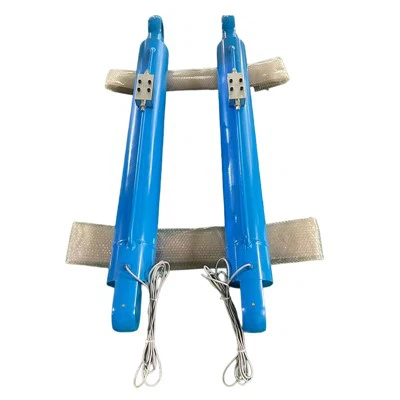
As a hydraulic cylinder supplier, I understand the importance of ensuring the proper functioning of hydraulic cylinder systems. The presence of air in the system can have a significant impact on performance, efficiency, and longevity. By understanding the causes and effects of air in the system and taking proactive measures to prevent and mitigate these issues, you can ensure the reliable operation of your hydraulic equipment.
Compact Hydraulics If you’re in the market for high-quality hydraulic cylinders or need assistance with your hydraulic system, I encourage you to reach out to me. I’m here to help you find the right solutions for your specific needs and to ensure the optimal performance of your equipment.
References
- "Hydraulic Systems: Design, Installation, and Maintenance" by Peter Nachtwey
- "Fluid Power Technology" by John F. Watton
- "Hydraulic Cylinder Design and Application" by Eaton Corporation
Wuhu Zhongye Fluid Equipment Co., Ltd.
We are one of the most experienced hydraulic cylinder manufacturers and suppliers in China, specialized in providing high quality customized products. Please feel free to wholesale bulk durable hydraulic cylinder in stock here from our factory. Contact us for quotation.
Address: No. 2, Hexing Road, Sanshan District, Wuhu City, Anhui Province
E-mail: zhongyehydro20@163.com
WebSite: https://www.zhongyehydro.com/
