As a seasoned supplier of straight stainless steel tubes, I’ve witnessed firsthand the intricate and fascinating manufacturing processes that bring these essential products to life. In this blog post, I’ll take you through the step-by-step journey of how straight stainless steel tubes are manufactured, from raw materials to the finished product. Straight Stainless Steel Tube
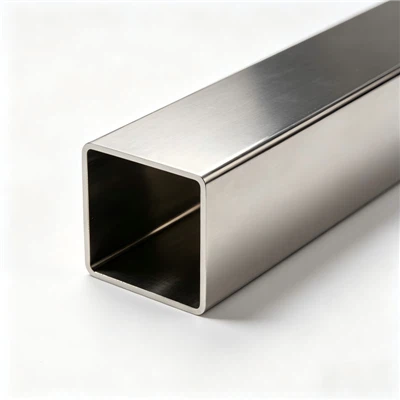
Step 1: Raw Material Selection
The first and most crucial step in manufacturing straight stainless steel tubes is the selection of high-quality raw materials. Stainless steel is an alloy primarily composed of iron, chromium, and nickel, with small amounts of other elements such as carbon, manganese, and silicon. The specific composition of the stainless steel alloy depends on the desired properties of the final product, such as corrosion resistance, strength, and ductility.
At our company, we source our raw materials from reputable suppliers who adhere to strict quality control standards. We carefully inspect each batch of raw materials to ensure that they meet our specifications and are free from defects. The raw materials are typically supplied in the form of billets or ingots, which are large blocks of metal that will be further processed into tubes.
Step 2: Heating and Piercing
Once the raw materials have been selected, they are heated to a high temperature in a furnace. The heating process is essential to make the metal more malleable and easier to work with. The temperature and duration of the heating process depend on the type of stainless steel alloy and the desired properties of the final product.
After the metal has been heated, it is transferred to a piercing mill, where a hole is punched through the center of the billet or ingot. This process is known as piercing, and it creates a hollow tube shell. The piercing mill uses a mandrel, which is a long, cylindrical tool that is inserted into the center of the billet or ingot to guide the piercing process. The mandrel helps to ensure that the hole is straight and uniform in diameter.
Step 3: Rolling and Drawing
After the tube shell has been pierced, it is transferred to a rolling mill, where it is further processed to reduce its diameter and increase its length. The rolling mill uses a series of rollers to apply pressure to the tube shell, causing it to deform and stretch. The rollers are carefully designed to ensure that the tube is rolled to the desired diameter and wall thickness.
Once the tube has been rolled to the desired diameter, it may be further processed by drawing. Drawing is a process in which the tube is pulled through a die to reduce its diameter and increase its length. The die is a tool with a precisely shaped hole that determines the final diameter of the tube. Drawing helps to improve the surface finish and dimensional accuracy of the tube.
Step 4: Heat Treatment
After the tube has been rolled and drawn, it may undergo a heat treatment process to improve its mechanical properties. Heat treatment involves heating the tube to a specific temperature and then cooling it at a controlled rate. The heat treatment process can help to relieve internal stresses, improve the hardness and strength of the tube, and enhance its corrosion resistance.
There are several different types of heat treatment processes that can be used for stainless steel tubes, including annealing, quenching, and tempering. The specific heat treatment process used depends on the type of stainless steel alloy and the desired properties of the final product.
Step 5: Finishing
Once the tube has been heat treated, it is ready for finishing. Finishing involves a series of processes that are designed to improve the surface finish and appearance of the tube. The finishing processes may include polishing, grinding, and buffing.
Polishing is a process in which the surface of the tube is smoothed and made shiny using a polishing wheel or a polishing compound. Grinding is a process in which the surface of the tube is removed using a grinding wheel to improve its dimensional accuracy and surface finish. Buffing is a process in which the surface of the tube is further smoothed and made shiny using a buffing wheel or a buffing compound.
Step 6: Quality Control
Throughout the manufacturing process, strict quality control measures are in place to ensure that the straight stainless steel tubes meet the highest standards of quality and performance. Quality control measures may include visual inspection, dimensional inspection, and non-destructive testing.
Visual inspection involves examining the tube for any visible defects, such as cracks, scratches, or surface imperfections. Dimensional inspection involves measuring the diameter, wall thickness, and length of the tube to ensure that it meets the specified dimensions. Non-destructive testing involves using techniques such as ultrasonic testing, magnetic particle testing, and radiographic testing to detect any internal defects in the tube.
Step 7: Packaging and Shipping
Once the straight stainless steel tubes have passed the quality control tests, they are ready for packaging and shipping. The tubes are typically packaged in bundles or coils and wrapped in protective materials to prevent damage during transportation. The packaging materials may include plastic film, cardboard, or wooden crates.
The tubes are then shipped to our customers using a variety of transportation methods, including trucks, trains, and ships. We work closely with our logistics partners to ensure that the tubes are delivered to our customers in a timely and efficient manner.
Why Choose Our Straight Stainless Steel Tubes?
As a leading supplier of straight stainless steel tubes, we are committed to providing our customers with the highest quality products and services. Our straight stainless steel tubes are manufactured using the latest technology and equipment, and they are backed by our extensive experience and expertise in the industry.
We offer a wide range of straight stainless steel tubes in different sizes, grades, and finishes to meet the diverse needs of our customers. Our tubes are used in a variety of applications, including construction, automotive, aerospace, and manufacturing.
In addition to our high-quality products, we also offer excellent customer service. Our team of experts is available to answer your questions and provide you with technical support and advice. We are committed to building long-term relationships with our customers based on trust, reliability, and mutual respect.
Contact Us for Your Straight Stainless Steel Tube Needs
Rolled Fin Stainless Steel Tube If you are in the market for high-quality straight stainless steel tubes, we invite you to contact us to discuss your requirements. Our team of experts will be happy to provide you with a quote and answer any questions you may have. We look forward to working with you to meet your straight stainless steel tube needs.
References
- ASM Handbook, Volume 1: Properties and Selection: Irons, Steels, and High-Performance Alloys. ASM International, 1990.
- Metals Handbook, Volume 2: Properties and Selection: Nonferrous Alloys and Pure Metals. ASM International, 1990.
- Welding Handbook, Volume 1: Welding Science and Technology. American Welding Society, 1991.
China Super Tech Co., Ltd.
As one of the most professional straight stainless steel tube manufacturers and suppliers in China, we’re featured by quality products and good service. Please rest assured to wholesale OEM straight stainless steel tube from our factory. Also, custom service is available.
Address: Wangjing Science and Technology Park, Guangshun North Street, Chaoyang District, Beijing
E-mail: sales@316liquidcooling.com
WebSite: https://www.316liquidcooling.com/
