If you’re someone in the textile manufacturing supply chain—whether you run a small weaving mill, a medium-sized fabric production facility, or even a specialized textile unit that works with technical materials—you’ve probably interacted with warping machines at some point. As a supplier of warping machines, I spend most days talking to clients about the benefits these tools bring: they streamline the process of organizing hundreds of warp threads onto a loom beam, cut down on setup time, and ensure thread alignment is consistent enough to reduce weaving defects. But today, I want to talk about something less often discussed—the disadvantages of a warping machine, and why it’s critical to weigh these downsides against their value before making a purchase. I’ve seen too many businesses invest in a warping machine without fully understanding its limitations, and end up facing costly, avoidable issues months down the line. Warping Machine
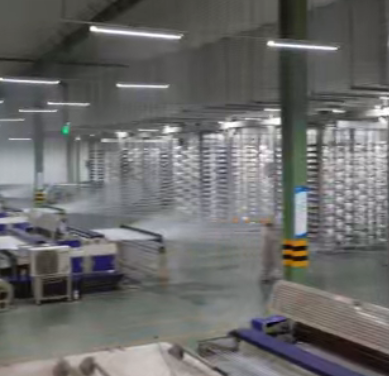
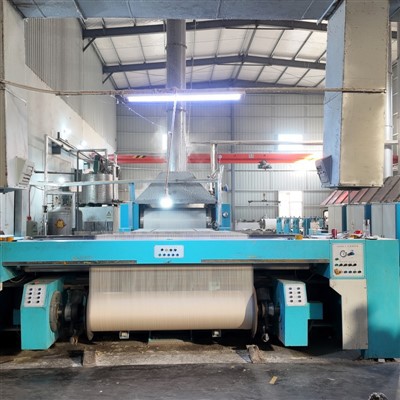
First, let’s ground this in what a warping machine does, just to set context. Warping is the step where you wind individual warp threads (the lengthwise threads on a loom, as opposed to the weft threads that cross them) into a single beam. This beam is then loaded onto the loom for weaving. While manual warping was the standard for decades, modern automated warping machines have replaced that process for most commercial operations. The shift to automation makes sense for speed and consistency, but it’s not without trade-offs.
One of the most immediate, and most frustrating, disadvantages is high upfront and maintenance costs. Let’s break this down. A basic automated warping machine can set you back anywhere from $15,000 to $100,000, depending on its capacity, thread type compatibility, and features. For small businesses operating on tight margins, that’s a huge investment—one that might not pay off for years, especially if your production volume is low. Then there’s maintenance. These machines have dozens of moving parts: gears, tensioners, thread guides, sensors, and motorized winding mechanisms. Each of these components is prone to wear and tear, especially if you’re running the machine 12 or more hours a day. I’ve had a client with a 2-year-old warping machine that spent three weeks in repair because a tensioner sensor failed, and replacement parts cost nearly $2,000. For many small mills, that kind of unplanned downtime and repair cost is a major burden. Unlike manual warping, where maintenance is mostly just oiling reels and checking thread guides, automated warping machines require specialized technicians to service them. If your area doesn’t have a textile equipment repair specialist, you might have to pay for travel or ship the machine out for repairs, adding even more cost.
Another key disadvantage is inflexibility when it comes to specialized thread types. Warping machines are designed to work best with standard, uniform threads—cotton, polyester, basic nylon. But if you’re working with technical textiles, aramid fibers (used in bulletproof vests), carbon fibers, or blended threads with high stretch, most standard warping machines struggle. I once had a client who makes medical fabrics with a core of stainless steel thread; their initial warping machine kept snapping the metal threads during winding, because the machine’s tension control wasn’t calibrated to handle the rigid, heavy thread. They ended up having to rent a specialized warping machine for that line, which cut into their profit margins. Even with machines marketed as “versatile,” many can’t adjust quickly between thread types without hours of recalibration. If your production line regularly switches between multiple thread materials, that downtime for setup and recalibration adds up. Some high-end warping machines have quick-change features, but those come with a significant price premium—another cost that small businesses might not be able to justify.
Downtime isn’t just from repairs or recalibration, either. Warping machines are single-purpose tools, and that’s a big limitation for mills that have varied production runs. Unlike a loom that can be adapted for different weave patterns, a warping machine can only wind warp beams. If you have a slow week in weaving, your warping machine is still taking up floor space and requiring power and maintenance even when it’s not in use. For small facilities that share space between warping, weaving, and cutting fabric, that wasted space adds up to lost productivity. I’ve worked with a mill that had to downsize their warping machine because they needed to free up floor space for a new cutting table for custom orders—something the sales team didn’t mention when they bought the machine. Manual warping, while slower, lets you use the same space for multiple tasks, but automated warping machines are a one-trick pony in that regard.
Consistency can also be a disadvantage if you don’t operate the machine correctly. Wait, that might sound counterintuitive—automation is supposed to be more consistent than manual work. But here’s the thing: if a warping machine’s settings are off, it doesn’t just make a small error. It can wind hundreds of warp threads unevenly, or tension some threads too tight and others too loose across the entire beam. I’ve seen a 1,000-thread warp beam where half the threads were snapped because the machine’s tension sensor was dirty, and it didn’t alert the operator. That means an entire day’s worth of work is wasted, and you have to rewind the beam. Unlike manual warping, where a skilled operator would notice a loose thread and fix it immediately, the machine will keep going until it’s told to stop. Even with automatic stop features, many older machines won’t alert you to subtle tension issues until the beam is half-wound, leading to more waste. For mills that work with expensive, specialty threads, that waste can be devastating. One client told me their warping machine wasted $800 worth of silk thread in a single week because of a miscalibrated sensor. That’s a cost that manual warping might have avoided, since an operator would spot the tension problem early.
There’s also the learning curve. Operating a modern automated warping machine isn’t like using a basic sewing machine. You need to train operators to program thread counts, adjust tension settings, troubleshoot common errors, and perform routine maintenance. Many small mills don’t have the budget for extensive training, so they end up hiring operators who only know how to run the machine at a basic level. That leads to more errors, more downtime, and shorter machine lifespan. I once had a new client whose warping machine was breaking down every two months, only to find out their operator had never been trained to clean the machine’s thread guides, which got clogged with lint and caused friction on the threads. Training isn’t a one-time cost, either. As machine models get updated, operators need refreshers to learn new features. For mills with high employee turnover, that’s an ongoing expense.
Let’s not overlook environmental and safety considerations, either. While automated warping machines save thread waste compared to manual warping, they still have a bigger energy footprint than manual tools. The motorized winding, tension sensors, and lighting for the machine all use electricity, which adds to your utility bills. For mills operating in areas with high energy costs, that’s a recurring expense. Safety is another point: warping machines have moving parts, and if an operator isn’t following proper procedures, they can get caught in the thread guides or winding mechanism. Modern machines have safety guards, but those can slow down operation, or be removed by operators trying to work faster. Manual warping, while physically demanding, has fewer high-speed moving parts, so the safety risk is lower if operators are trained correctly. As regulations around workplace safety get stricter, mills have to spend more on safety features for warping machines, adding to the total cost of ownership.
Now, I’m not here to bash warping machines—far from it. For mills with consistent production volume, standard thread types, and enough space and budget, a warping machine is a game-changer. It cuts down on setup time by 70% or more, reduces human error in thread alignment, and lets you scale production to meet larger orders. But the key is understanding the disadvantages before you invest, so you can mitigate them or decide if an automated warping machine is the right fit for your business.
So, what does that mean for you if you’re in the market for a warping machine? First, calculate your production volume and thread types. If you mostly work with standard cotton or polyester, and your volume is consistent (at least 10 warp beams a week), a mid-range warping machine will likely be a good investment. If you work with specialty threads, or have very low production volume, you might want to consider a semi-automated machine, or even renting one for specific projects. Second, factor in maintenance and training costs—not just the purchase price. Look for machines that have local repair technicians, or that offer remote support, to cut down on downtime if something breaks. Third, think about your floor space. Make sure the machine’s footprint fits your current layout, or that you can adjust your space to accommodate it without losing other critical equipment.
At the end of the day, a warping machine isn’t a one-size-fits-all solution. As a supplier, I’ve worked with every type of textile mill, and I know that the best choice depends on your specific needs. If you’re considering a warping machine and want to talk through your operation, your production goals, and how to navigate the disadvantages I’ve mentioned, I’m here to help. Whether you’re looking for a new machine, a refurbished model, or just advice on maintaining the one you already have, reach out to start a conversation.
Sizing Machine References:
- Textile Institute. (2021). "Warping Processes and Equipment: Operational Limitations and Maintenance Requirements." Textile Industry Technical Report.
- Smith, L. (2022). "Cost-Benefit Analysis of Automated Warping Machines for Small to Medium Textile Manufacturers." Journal of Textile Manufacturing Economics.
- European Textile Machinery Association. (2023). "Specialty Thread Compatibility in Modern Warping Equipment." Industry Standards and Guidelines.
- Occupational Safety and Health Administration (OSHA). (2022). "Workplace Safety Guidelines for Textile Manufacturing Equipment." OSHA Technical Manual.
Jiangsu Huanqiu Jingtian Machinery Co., Ltd.
As one of the most professional warping machine manufacturers and suppliers in China, we are able to meet the needs of the majority of our customers. Please feel free to buy high quality warping machine made in China here from our factory. Contact us for more details.
Address: No.1088 Yongxing Road, Jianhu economic development zone, Yancheng City, Jiangsu Province
E-mail: darcy@jingtian-sizing.com
WebSite: https://www.cnhqjtjx.com/
