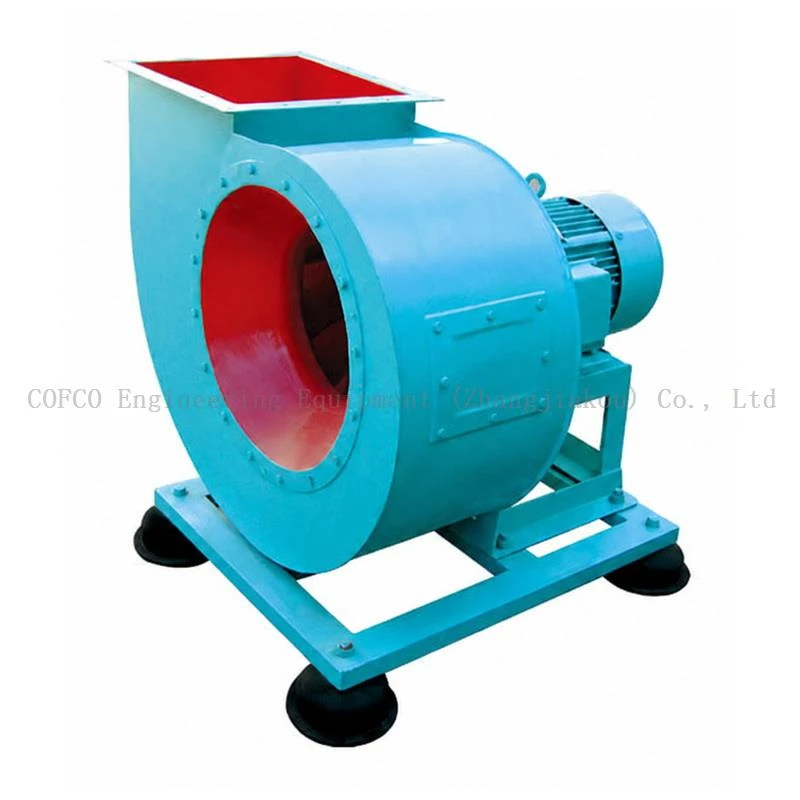
Hey there! I’m a supplier of feed mixing equipment, and I’ve seen firsthand how important it is to take proper safety measures when operating this machinery. In this blog, I’ll share some key safety tips that I think anyone working with feed mixers should know. Feed Mixing Equipment
Pre – operation Safety Checks
Before you even turn on the feed mixing equipment, there are a few things you need to do. First off, check the equipment thoroughly. Look for any signs of damage, like cracks in the mixing drum, loose belts, or frayed wires. These can not only affect the performance of the machine but also pose serious safety risks.
For example, a cracked drum might cause feed to spill out while the mixer is running, creating a slip hazard. And loose belts can come off during operation, potentially hitting someone nearby or getting caught in other parts of the equipment.
Also, make sure all the guards are in place. Guards are there for a reason – they protect you from moving parts. On a feed mixer, the rotating blades and belts are extremely dangerous and can cause serious injuries if you come into contact with them. So, always double – check that all the guards are securely attached and in good condition.
Another important pre – operation step is to understand the controls. Every feed mixing machine is a bit different, so take the time to read the manual and get familiar with how it works. Know where the emergency stop button is, and make sure it’s working properly. You never know when you might need to stop the machine in a hurry.
Personal Protective Equipment (PPE)
PPE is a must when operating feed mixing equipment. Let’s start with safety glasses. The mixing process can generate dust and small particles, which can get into your eyes and cause irritation or even serious eye injuries. So, always wear a pair of good – quality safety glasses to protect your peepers.
Next up is hearing protection. Feed mixers can be pretty noisy, and prolonged exposure to high – level noise can damage your hearing. Earplugs or earmuffs are simple and effective ways to reduce the risk of hearing loss. Don’t skimp on this – your hearing is precious.
Gloves are also important. They protect your hands from cuts, abrasions, and chemical exposure. When you’re handling feed ingredients, some of them might be sharp or have chemicals that can irritate your skin. A good pair of gloves will give you that extra layer of protection.
And don’t forget about safety shoes. They protect your feet from heavy objects that might fall, as well as sharp objects on the floor. In a feed mixing environment, there’s always a chance of something dropping or getting scattered around, so proper footwear is a must.
During the Operation
Once you’ve done your pre – operation checks and are suited up in your PPE, it’s time to start the operation. But there are still a few safety rules to follow.
First, never overload the mixer. Each machine has a recommended capacity, and exceeding it can put a lot of stress on the equipment. This can lead to breakdowns, but more importantly, it can be dangerous. An overloaded mixer might vibrate excessively, which can cause it to tip over or lose parts.
Keep a safe distance from the machine while it’s running. As I mentioned earlier, the moving parts inside the mixer are extremely dangerous. Don’t put your hands or any other objects near the opening of the mixing drum or around the belts and pulleys. If you need to add ingredients or make any adjustments, use the proper tools and follow the manufacturer’s instructions.
Also, be aware of the dust. The mixing process often generates a lot of dust, which can be harmful to breathe in. Make sure the area is well – ventilated. If possible, use a dust collection system to reduce the amount of dust in the air. If you start to feel any respiratory discomfort, stop the operation immediately and check the ventilation.
Cleaning and Maintenance
Cleaning and maintenance are not just about keeping the machine working well; they’re also crucial for safety. After each use, make sure to clean the mixer thoroughly. Remove any leftover feed or debris from the drum, blades, and other parts. This prevents the buildup of material, which can attract pests and can also affect the performance of the machine.
When cleaning, always turn off the power and make sure the machine is completely stopped. Never use water or any other liquid directly on the electrical components, as this can cause short circuits and electrical shocks.
Regular maintenance is also essential. Have a schedule for inspecting and servicing the equipment. Check the lubrication of moving parts, the tightness of bolts and nuts, and the condition of electrical connections. Replace any worn – out parts promptly. A well – maintained machine is a safer machine.
Training
One of the most important safety measures is to ensure that all operators are properly trained. Training should cover not only how to operate the machine but also all the safety procedures. New employees should receive comprehensive training before they’re allowed to work with the feed mixing equipment.
Even experienced operators should have regular refresher courses. Technology and safety standards are always evolving, so it’s important to keep everyone up – to – date. Training can also help operators recognize potential safety hazards and know how to respond in case of an emergency.
In conclusion, operating feed mixing equipment safely is all about being prepared, taking precautions, and following the rules. By doing pre – operation checks, wearing the right PPE, following safety procedures during operation, keeping the machine clean and well – maintained, and providing proper training, you can greatly reduce the risk of accidents.
Grain Conveying Equipment If you’re in the market for high – quality feed mixing equipment, we’ve got you covered. Our equipment is designed with safety in mind, and we’re always happy to offer support and advice on how to operate it safely. Whether you’re a small – scale farmer or a large – scale feed production company, we can provide the right solution for you. Feel free to reach out to discuss your needs, and we can start a great partnership together.
References
- "Feed Mixing Equipment Manuals": These manuals provided detailed information on the operation and safety of different feed mixing machines.
- "Occupational Safety and Health Administration (OSHA) Guidelines for Industrial Equipment": OSHA’s guidelines cover a wide range of safety aspects related to operating industrial machinery, which are applicable to feed mixing equipment as well.
- "Industry Publications on Agriculture Machinery Safety": Various magazines and journals in the agricultural machinery sector discuss safety measures and best practices for operating feed mixers.
COFCO Engineering Equipment (Zhangjiakou) Co., Ltd.
As one of the most professional feed mixing equipment manufacturers and suppliers in China, we also support customized service. Please feel free to wholesale advanced feed mixing equipment for sale here from our factory. Quality products and reasonable price are available.
Address: No.4 ZhongLiang Street, high-tech industrial development zone, Zhangjiakou, Hebei, PRC
E-mail: mayihui@cofco.com
WebSite: https://www.ceeflourmill.com/
