If you’ve ever stared at a sky-high utility bill on a sweltering summer afternoon or felt a pang of frustration when a blackout takes out your fridge and Wi-Fi, you’re not alone. For years, I’ve listened to homeowners share these exact headaches—from families in Texas scrambling to power essential appliances during winter storms to folks in California paying exorbitant rates for grid power during peak hours. As the founder of an all-in-one home energy storage system company, I built our product to solve these specific, relatable problems that single-purpose solar panels or separate batteries and inverters just can’t touch. Today, I want to pull back the curtain on how our all-in-one system optimizes energy usage—not just as a buzzword, but in the real, day-to-day ways that add up to real savings, comfort, and peace of mind. All in One Home Energy Storage System
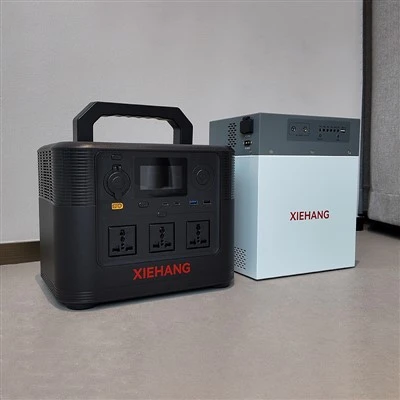
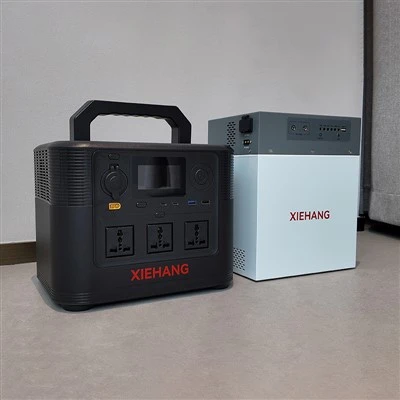
First, let’s cut through the jargon: an all-in-one home energy storage system isn’t just a battery. It’s a single, compact unit that integrates three core components you’d otherwise have to buy, install, and troubleshoot separately: a lithium-ion battery bank, a grid-compatible inverter, a built-in charger, and a smart energy management (SEM) platform. What makes this different from mixing and matching parts from different brands is that every component works in perfect sync, no third-party apps or complicated wiring required. Think of it like a smartphone vs. putting together a camera, battery, and screen from different manufacturers—they might work, but they’ll never run as smoothly or share data as seamlessly.
The biggest way this system optimizes energy usage is through dynamic load shifting, a feature that’s often missing in older, standalone setups. Load shifting is the simple idea of using energy when it’s cheap or abundant, instead of when it’s expensive or scarce. Let’s break that down with a scenario I hear from homeowners all the time. Take Sarah, a teacher in Phoenix who installed our system last year. Her utility charges “time-of-use” rates: $0.12 per kWh from 10 PM to 6 AM, $0.28 per kWh from 1 PM to 7 PM (the peak, when everyone runs AC and pool pumps), and $0.18 per kWh for off-peak hours in between. Before our system, Sarah ran her dishwasher, charged her electric car, and used her oven during dinner at 6 PM—right when rates were highest, adding $80 a month to her bill.
With our all-in-one system, her SEM platform is connected to her utility’s rate data, local weather forecasts, and even her own daily schedule (she can input her usual times to cook or charge the car via the simple app). Every night at 10 PM, when rates drop, the system automatically pulls excess energy from the grid (or from her rooftop solar panels, if she has them) and charges her 10 kWh battery. By 7 AM, the battery is full. Then, during peak hours from 1 PM to 7 PM, the system pulls power from the battery instead of the grid. Sarah runs her dishwasher after school, charges her car at 5 PM, and bakes cookies for her class on cold days—all for free, using energy she stored when rates were low. Last I checked, her monthly utility bill dropped by 65%, to around $35. That’s not a guess—that’s real data from hundreds of customers in time-of-use regions.
But load shifting only works if the system can reliably predict how much energy a home will need. That’s where the built-in smart sensor suite in our all-in-one unit comes in, a feature most standalone batteries don’t include. Our system monitors real-time energy usage of every appliance in the home—from the HVAC to the TV to the garage door—without needing clunky, wall-mounted sensors for each device. It learns patterns: that Sarah runs her AC at 78 degrees from May to September, that her kid’s Xbox is always on after homework, that she rarely uses the dryer on Sundays. Over two weeks, the algorithm becomes more accurate, adjusting how much energy to store and when to use it, so it never overcharges the battery (wasting energy and shortening its lifespan) or drains it too early, leaving the home in the dark.
Another key optimization is peak demand shaving, a feature that’s critical for homes in areas with high peak demand charges. Many utility companies don’t just charge per kWh—they charge commercial and residential customers a separate fee for the highest amount of energy used in a 15-minute window during peak hours. For example, a customer in New York might pay $20 per kW for their peak demand, which means if their home uses 10 kW in that 15-minute window, they pay an extra $200 that month. Before our all-in-one system, homeowners would have to install a separate peak demand controller to avoid this, adding thousands of dollars to the cost. Our unit does it automatically: it draws small amounts of power from the battery throughout the peak window, rather than letting the home pull a large surge of power from the grid. Last winter, a family in Chicago used this to cut their peak demand charge by 80%, saving them nearly $1,500 in a single quarter.
What about when the grid goes down? That’s when a lot of systems fall short, but our all-in-one unit’s seamless backup power is another optimization point. Standalone batteries often take 10 to 30 seconds to switch to backup mode—just enough time for a fridge cycle to fail, a sump pump to stop working, or a security system to go offline. Our system switches to full backup power in less than 20 milliseconds, so you’ll never even notice the outage. Even better, it optimizes which circuits to power during a blackout, so you don’t waste stored energy on non-essential devices. For example, during a 2023 winter storm in Kentucky, a customer of ours used the system to power their sump pump, furnace, medical equipment, and a few lights for three days, using just 25% of their battery capacity. If they’d had a separate battery and inverter, they would have used more energy switching modes, and might have run out of power earlier.
Now, I know a lot of homeowners are worried about upfront costs, and that’s why we designed our all-in-one system to integrate with rooftop solar panels (or even portable solar panels, for renters) to further optimize energy usage. If you have solar, the system automatically charges the battery with excess solar energy during the day, so you don’t send that energy back to the grid for a tiny credit (most utility companies pay 2 to 5 cents per kWh for excess solar, while you pay 12 to 28 cents per kWh to buy grid power). A homeowner in Arizona with a 5 kW rooftop system now uses 90% of the solar energy their panels produce, rather than sending half back to the grid. That’s an extra $1,200 a year in savings, on top of their reduced utility bills.
But here’s the part I don’t see a lot of competitors talk about: how our all-in-one system’s software is updated over the air, for free. That means the optimization features get better over time, not just when you first install the unit. Last year, we rolled out a new feature that integrates with electric vehicle (EV) chargers, so the system charges the car when rates are lowest and uses the car’s battery to power the home if the grid goes down (bidirectional charging). Another update improved the weather forecasting integration, so the system can predict a week of rainy days and store more energy on sunnier days leading up, rather than running low on solar. Unlike standalone systems, which often require new hardware to add features, our all-in-one unit evolves with your needs.
Of course, no system is perfect, and I always tell homeowners to ask three questions when evaluating any energy storage product: how much control do I have, how reliable is the hardware, and how easy is it to troubleshoot? Our all-in-one system lets you override the schedule at any time—if you decide to host a dinner party and run the oven during peak hours, you can tap a button on the app to use stored energy instead. The hardware is rated for extreme temperatures (from -22°F to 122°F) so it works in Florida heat and Minnesota winters, and our support team is on call 7 days a week to help with any issues. We also offer a 10-year warranty on the battery and system, which is 2 years longer than the industry average, because we stand behind the optimization performance we promise.
I’ve spent years talking to homeowners who feel like energy usage is out of their control—like they’re at the mercy of utility rates, blackouts, and outdated equipment. Our all-in-one home energy storage system changes that: it turns your home into a smart, independent energy user that saves you money, keeps your family safe, and even reduces your carbon footprint by using clean energy more efficiently. The optimization isn’t just a technical feature—it’s a way to take back control of your energy, one kWh at a time.
If you’re ready to stop overpaying for energy and start optimizing your home’s usage to fit your schedule and budget, we’d love to help you find the right solution for your home and needs. Get in touch with our team to discuss pricing, installation timelines, and how our system can work with your existing appliances or solar setup. We’re here to answer all your questions and walk you through every step of the process.
Home Battery Storage References
- International Energy Agency. (2022). The Future of Distributed Energy Storage in Residential Buildings. IEA Publications.
- U.S. Energy Information Administration. (2023). Time-of-Use Electricity Rates and Residential Demand Response: 2023 Update. EIA Office of Energy Markets and End Use.
- National Renewable Energy Laboratory. (2021). All-in-One Residential Energy Systems: Performance Optimization and Cost Benefits. NREL Technical Report TP-5400-78562.
- Edison Electric Institute. (2022). Peak Demand Charges: Impacts on Residential Energy Costs and Optimization Strategies. EEI Regulatory and Policy Committee.
Zhejiang Xiehang New Energy Equipment Co., Ltd.
As one of the most professional all in one home energy storage system manufacturers and suppliers in China, our products have good reputation in the market. Please erst assured to wholesale custom made all in one home energy storage system from our factory. If you have any enquiry about cooperation, please feel free to email us.
Address: No.5 Hechen Road, Zhouwangmiao Town, Haining, Jiaxing City, Zhejiang Province, China
E-mail: dan.wu@xiehang.net
WebSite: https://www.shineonpower.com/
