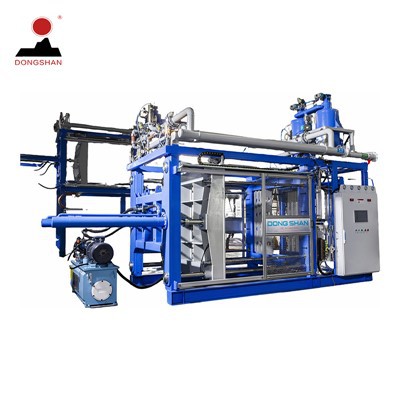
If you’re running an EPP shape molding machine shop, or just got handed the keys to a new unit, you know one thing right away: a machine is only as good as the person running it. I’m the head of operations at an EPP machine supply company, and I’ve seen way too many folks cut corners on operator training, only to end up with botched parts, downtime that costs thousands, or even machines that get damaged because someone skipped a step. This isn’t a “one-and-done” training session, either—EPP molding is a mix of technical know-how, hands-on muscle memory, and knowing how to spot small issues before they blow up. Let’s break this down into the stuff that actually works, no corporate jargon, just what I’ve taught our clients over the last 10 years. EPP Shape Molding Machine
First, let’s get the absolute basics out of the way before anyone even touches the controls. A lot of new operators skip this part because it seems boring, but it’s non-negotiable. EPP (expanded polypropylene) isn’t your average plastic—it’s a closed-cell foam that expands when heated, and if you mess with the raw material, even a little, you’ll get bad parts. So before you even turn the machine on, the first 2 hours of training are all about knowing your raw materials. We don’t just say “get the EPP beads” here—you’ve got to learn how to spot different bead grades. For example, if you’re running automotive interior parts, you need a bead with a higher expansion ratio than you would for a simple packaging insert. And don’t just take the bag label for it: some suppliers mix old and new beads, or beads that were stored in humid conditions (huge red flag—humidity kills EPP’s expansion). We make our clients’ operators do a quick “bead test” on their first day: toss a handful of beads into a small toaster oven set to 180°C, leave them for 3 minutes, and see how much they expand. If they only double in size instead of tripling, that’s bad beads, and the operator needs to flag it before loading.
Next, the machine itself: you can’t run it if you don’t know every part, not just the touchscreen. I’ve had operators load the mold wrong because they didn’t know the difference between the core side and the cavity side, or they forgot to grease the ejector pins, leading to parts getting stuck. We split machine orientation into two parts: the “no-power walkthrough” first, because touching a running machine with no context is a recipe for injury. Walk around every component: the hopper where beads go, the steam lines (super hot, never touch), the mold halves, the ejector rod system, and the pressure gauge. We also teach operators how to do a pre-start check, a 5-minute ritual we have them do before every shift: check the water level in the boiler, wipe down the mold to remove any leftover foam bits from the last run, make sure the steam hoses aren’t kinked, and test the emergency stop button (yes, we make them do this every single time, not just once on day one). I know it sounds tedious, but one client skipped this and had a kinked steam line burst, flooding their shop and knocking the machine out for 3 days. That’s the kind of cost that makes training worth it.
Now, the big stuff: operating the machine. This is where most training goes wrong—they just let operators mess with the touchscreen for a week, but EPP molding is all about balancing four settings: steam pressure, dwell time, cooling time, and material dosage. Let’s keep this simple, no confusing acronyms (we use “press” for pressure, “dwell” for how long steam hits the mold, “cool” for how long you let it sit before opening, and “dosage” for how many beads you load). A common mistake new operators make is cranking up the steam press to finish faster—too high, and the foam burns, leaving black spots on the part. Too low, and the beads don’t fuse, so the part falls apart when you pick it. We teach a “start low, go slow” method: start with the press set to 6 bar, dwell time 12 seconds, cool time 20 seconds, and dosage 1.2 kg per mold cavity. Then, every run, adjust by 0.5 bar or 2 seconds, no more. If the part is too dense (hard, heavy), lower the press. If it’s too soft (crumbles), raise the dwell time by 1 second. We also have operators do a “test run” every time they switch mold types—even if it’s the same mold as yesterday, a little leftover foam can throw things off. That test run is just one part, no part removal, just to check if the steam is evenly getting to all corners of the mold. Uneven steam is another big one—if you have a mold with a hard-to-reach spot, the operator needs to know how to adjust the steam distribution valves, not just hit “start.”
Wait, let’s talk about safety here, because it’s not just about parts. EPP molding machines use super heated steam, and the molds get up to 160°C, so burns are a real risk. We don’t just say “don’t touch hot parts”—we train operators on the proper PPE: heat-resistant gloves, face shields when opening the mold, and even non-slip shoes because the shop floor gets wet. Also, never reach into the mold while it’s closing—we have a sensor on our machines that stops the cycle if anything is in the way, but operators still sometimes forget and get their hands caught. Our training includes a “simulated near-miss” exercise: we have operators practice stopping the machine mid-cycle with the emergency stop, then walk through what to do if someone does get hurt, like where the first aid kit is and who to call. No one wants to think about that, but it’s way better than dealing with a workplace injury that shuts down your entire operation.
Now, troubleshooting—this is what separates a good operator from a great one. Most training only teaches you how to run the machine, not what to do when it breaks. We split troubleshooting into “small fixes” operators can handle on their own, and “call the supplier” issues. Small fixes include: clearing a clogged steam line (turn off the machine first, use a small wire to unclog it, no tools), replacing a worn ejector pin, or adjusting the dosage if the hopper is running low. I’ve seen operators waste 2 hours waiting for a technician when they could’ve fixed a clogged line in 10 minutes, just because they didn’t know how. The big stuff (like a broken boiler or a faulty pressure sensor) is for us, but we make sure operators know how to log errors correctly—don’t just say “machine won’t run,” say “error code E03, steam pressure too low” so we can send the right part fast.
Then, hands-on practice. You can’t train someone to run an EPP machine just by reading a manual or watching a video. We have a 3-day hands-on block where operators work on a test mold (like a small toy or packaging insert) with our trainers standing right next to them. We let them mess up—a few bad parts here is way better than 100 bad parts once the operator is on the job. On day 1, they do pre-start checks; day 2, test runs and adjusting settings; day 3, full runs with minimal supervision. We also do a “shadow shift” on day 4, where they follow an experienced operator for a full 8-hour shift, so they see how to handle things like refill the hopper mid-run, deal with a stuck part, or adjust settings when humidity spikes (yes, humidity affects the beads—on rainy days, you need to increase dwell time by 2 seconds, we teach that).
Wait, something a lot of people forget: continuous training. EPP machines get updated all the time—new touchscreen software, mold changes, new bead grades. We don’t just train once and leave; we offer quarterly refreshers for all our clients’ operators, free of charge. We had one client who skipped a refresher and kept using old settings on a new bead grade, leading to parts that were too brittle. The refreshers are only 2 hours, cover the new stuff, and let operators ask questions they might not have thought of after being on the job. Also, we encourage cross-training—have one operator know how to run the machine while another does quality checks, so if someone calls out, you don’t shut down production.
Let me wrap this up with a real example, because numbers stick. Last year, we had a client who hired three new operators and only did a 1-day training. They had 12% scrap rate in the first month, costing them over $15,000 in wasted material. After we did our training (2 days plus a shadow shift, plus our refreshers), their scrap rate dropped to 2.5%, and downtime went down by 40%. That’s not just about making good parts—it’s about saving money.
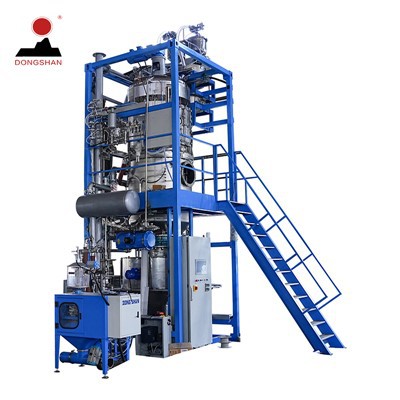
If you’re in the market for EPP shape molding machines, or looking to upskill your team, don’t cut corners on training. A good operator pays for themselves in less than 6 months, in less scrap and less downtime. If you want to talk through a training plan tailored to your shop, reach out to us—we’ll build something that fits your operation, no one-size-fits-all garbage.
EPS Shape Molding Machine References:
- Expanded Polypropylene (EPP) Material Properties & Processing Guidelines, Society of Plastics Engineers, 2021.
- Occupational Safety Guidelines for Foam Molding Equipment, National Institute for Occupational Safety and Health, 2022.
- EPP Shape Molding Machine Operator Training Manual, Global Plastic Machinery Supply, 2020.
Hangzhou Fuyang Dongshan Plastic Machinery Co., Ltd.
Hangzhou Fuyang Dongshan Plastic Machinery Co., Ltd. is one of the most professional EPP molding machine manufacturers and suppliers in China, featured by quality products and low price. Please feel free to wholesale advanced EPP molding machine made in China here and get quotation from our factory. Customized orders are welcome.
Address: 101 Guanting, Baiqian Villige, Luzhu Town, Fuyang District, Hangzhou City, Zhejiang Province, China
E-mail: xu@dong-shan.cn
WebSite: https://www.epseppmachinery.com/
