If you’ve ever picked up a bag of aquatic feed, stared at the multi-layered plastic film crinkled in your hand, and thought, “Can I actually recycle this thing?” — you’re not alone. I’m Jake, and for the last 7 years, I’ve run a small-scale aquatic feed bags supplier, so this question’s crossed my desk (and my own kitchen trash, when I accidentally tossed a bag last month) way more times than I can count. Most days, a fisherman will shoot me a DM after hauling a 50kg bag of shrimp feed up from his pond, curious if he can ditch it in his local curbside bin. Other times, a local recycling facility will call to ask why our bags won’t melt down like the clear milk jugs they usually process. It’s not a cut-and-dry answer, but let’s break this down like we’re chatting over a cup of coffee (no stuffy jargon, promise). Aquatic Feed Bags
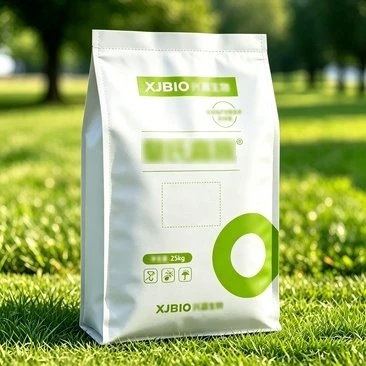
First, let’s cut to the basics: not all aquatic feed bags are created equal. I know that sounds like a sales pitch, but it’s 100% true. When I first started out, I used the same single-layer HDPE plastic for all my bags — it was cheap, it held feed fine, and it only cost me a few cents less per unit. But about 5 years ago, a group of tilapia farmers in Thailand flagged a problem: during monsoon season, my old bags would get soggy, tear, and spill feed all over their ponds. I went back to the drawing board and started testing multi-layer structures: a thin layer of high-density polyethylene (HDPE) for strength, a middle layer of ethylene vinyl alcohol (EVOH) to block moisture, and sometimes a tiny top layer of low-density polyethylene (LDPE) for a glossy, tear-resistant finish. That’s the bag we sell now — and that’s exactly the kind most aquatic feed suppliers use these days.
Here’s why that matters for recycling: single-layer plastics are pretty straightforward for most facilities. If you have a clear milk jug or a water bottle, that’s one material, so recycling centers can grind it up, melt it down, and turn it into new products (like park benches or plastic crates) without too much fuss. But multi-layer bags? They’re “composite plastics” — two or more materials glued or co-extruded together. EVOH, for example, doesn’t mix well with HDPE. When you toss a multi-layer bag into a curbside bin, the sorting equipment can’t tell the layers apart, and when it goes to the reprocessing plant, the different materials separate mid-melt, ruining the batch. A lot of small local recycling programs just don’t have the tech to separate these layers. If you drop an aquatic feed bag in your curbside bin, there’s a good chance it’ll end up in a landfill, not a new product. That’s why so many people tell you “no, you can’t recycle these” — and for most folks, that’s still the rule.
But wait — that’s not the whole story. There’s a growing niche of recycling facilities that specialize in hard-to-process plastics, and they’re popping up all over North America, Europe, and parts of Asia. Last year, I worked with a facility in the midwest that takes post-industrial multi-layer plastics (including old aquatic feed bags from suppliers like mine) and uses a chemical separation process to peel apart the EVOH and HDPE layers. They melt the HDPE into pellets that get turned into plastic lumber, and the EVOH gets used for water-resistant packaging. It’s not as widely available as curbside recycling, but it is an option — if you know where to look.
I also want to call out a common mistake a lot of people make: pre-rinsing the bags. A fisherman will haul a bag from the pond, shake out whatever’s left of the feed, and toss it in the recycling bin — but even a little bit of leftover feed will contaminate the plastic during processing. Feed has salts, proteins, and other organic compounds that can mess up the melt. If you do decide to send a bag to a specialized recycler, you’ll need to make sure it’s completely empty, wiped down with a dry cloth, and free of any pond muck or feed dust. Skip the water rinse, too — wet plastic gums up sorting equipment way more than a dry, empty bag.
Now, let’s talk about what we do at my company to make this easier. I know it’s not enough to just sell a bag and leave it to the customer to figure out. For the last 2 years, we’ve been testing new “mono-material” aquatic feed bags — only one layer of HDPE, no EVOH, no extra glues. They’re not as moisture-resistant as our multi-layer ones, so we’re still working on tweaking the formula to stand up to 6 months of rain and pond humidity. But once we nail it, those bags will be curbside-recyclable, no special steps needed. We’re also a member of a national packaging stewardship program that connects our customers (farmers, aquaculture operations) with drop-off locations for multi-layer aquatic feed bags if their local curbside doesn’t take them. It’s not perfect, but it’s the least we can do for the folks who use our products.
I get it — for a small-scale fisherman in rural Louisiana, driving 45 minutes to a specialized recycling center just to drop off 10 empty feed bags feels like a waste of gas. For a large aquaculture farm with 10,000 bags to dispose of, it might feel like a hassle that cuts into profits. That’s why I’m pushing for better standards in the aquatic feed industry. Right now, there’s no universal labeling for feed bags that tells you if they’re single or multi-layer, or how to recycle them. I’m working with a group of other small suppliers to push for a simple label — like a little triangle with a number inside, or a line that says “curbside recyclable if empty and dry” — so no one has to guess.
Let’s also bust a myth here: some people think if a bag is “recyclable,” it means you can just toss it in any bin. That’s not how recycling works. Most of the time, “recyclable” means a facility can process it — not that every facility will. Aquatic feed bags aren’t the only ones in this boat, either. Coffee bags, pet food bags, and even some grocery produce bags are all multi-layer composites, and they face the same recycling roadblocks. It’s not that the material is bad — it’s that our recycling infrastructure is still playing catch-up to the kinds of products we’re making.
I’ve also had people ask me, “Why not just use paper bags?” Paper sounds like a greener option, but aquatic feed is heavy, gets wet, and needs to keep out pests. Paper would tear in rain, get moldy in pond humidity, and allow rodents to chew through it and spoil the feed. Plus, paper production uses way more water and energy than plastic. For the aquaculture industry, plastic bags are the best balance of cost, durability, and safety — so we can’t just switch overnight. That means fixing the recycling problem for these bags is the next best solution.
Back to my own routine: a few months ago, I started a program where our customers can mail back empty feed bags for free — no cost, no hassle. We sort them, send the multi-layer ones to the specialized recycler, and the single-layer ones straight to the curbside bin at our office. It’s a small step, but so many farmers told me they’d rather drop bags off at our warehouse (we have a free drop-off bin here in Ohio) than drive to a recycling facility. We’ve processed over 12,000 bags this way in the last year, and it’s cut down on the number of bags going to landfills by almost 15% for our regular customers.
If you’re reading this and you’re a farmer or aquaculture operator wondering what to do with your empty aquatic feed bags, here’s my quick checklist:
- Check the bag for any labels that say “recyclable” or specific disposal instructions. Most of our bags have a little note on the bottom now.
- Make sure it’s completely empty — shake out every last crumb, wipe it down, no wetness or mud.
- If your curbside bin takes flexible plastics, toss it in. If not, check with local recycling facilities or waste management companies — many have a “hard plastics” drop-off day.
- If all else fails, reach out to your feed supplier (that’s me, in this case) — we can almost always connect you to a take-back or drop-off program.
At the end of the day, recycling aquatic feed bags isn’t just a personal choice — it’s a way to cut down on plastic waste, and make sure the aquaculture industry can keep growing without hurting the environment. I’ve been doing this for 7 years, and I still get excited when I hear about a new recycling tech that can process multi-layer plastics more efficiently. It’s not easy, but it’s worth it.
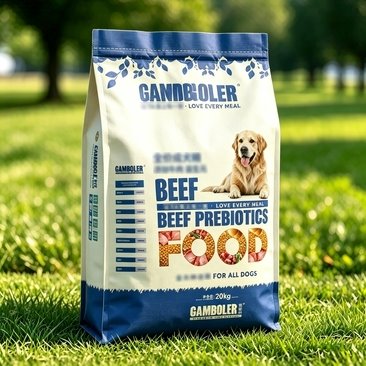
If you’re an aquaculture operator looking for reliable aquatic feed bags, or you have questions about recycling your current empty bags, hit us up to talk shop. No sales pitch, no stiff emails — just folks who care about both our products and the planet.
Livestock Feed Woven Bags References
- European Plastics Converters Association (EuPC). "Composite Plastics Recycling Challenges and Solutions." 2022.
- U.S. Environmental Protection Agency (EPA). "Flexible Plastic Packaging Management and Recycling." 2023.
- International Aquafeed Association (IAA). "Sustainable Packaging Guidelines for Aquatic Feed Producers." 2021.
- National Stewardship Program for Packaging (NSPP). "Post-Consumer Multi-Layer Plastic Recycling Outcomes." 2023.
Zhejiang Xifeng Packaging Co., Ltd.
We are one of the most experienced aquatic feed bags manufacturers and suppliers in China. With a professional production team, we offer a wide range of products with superior quality. Please feel free to buy bulk aquatic feed bags at competitive price from our factory. We also accept customized orders.
Address: Xiaojiang Town, Pingyang County, Wenzhou City, Zhejiang Province, China
E-mail: zjxifeng@126.com
WebSite: https://www.xifengpackaging.com/
