If you’ve ever wandered a snack aisle or stared at a shelf lined with bottled iced tea, lotion tubes, or even that tiny jar of gourmet jam on your kitchen counter, you’ve probably seen the work of an inline filling machine—even if you didn’t know it by name. As a filling machine supplier who’s been in this game for over a decade, I get asked this question all the time: “What exactly is an inline filling machine, and why does it matter for my brand?” Let’s break this down like I’m chatting with a fellow owner who’s juggling packaging line headaches and trying to keep up with demand. Filling Machine
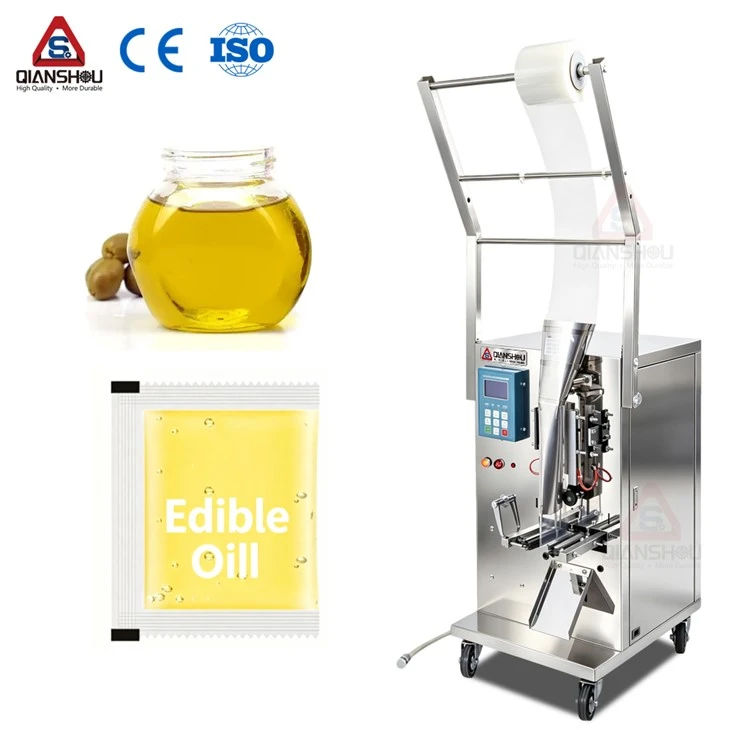
First, let’s skip the stuffy industry jargon that makes your eyes glaze over. An inline filling machine is a piece of equipment that fills product containers one right after another, in a straight line (hence “inline”), as opposed to rotary machines which spin containers around a circle. That straight-line flow is its superpower for most small to mid-sized brands, and even big ones, because it’s flexible, easy to troubleshoot, and doesn’t require reconfiguring your entire production line if you tweak your packaging. Wait, let’s make that concrete: if you’re a craft soda brand that switches from 12oz cans to 16oz bottles, an inline system can adjust faster than a rotary one, especially if you’re just scaling up and don’t have the budget for a full line redo.
Let’s talk about what it actually does step by step, because this isn’t a magic box that spits out filled containers (though it might feel that way when you’re trying to hit a 10k unit day). First, you load empty containers onto a conveyor belt that feeds right into the inline machine. The first stop is usually a conditioning station—sometimes it’s a quick rinse with food-safe water (if you’re dealing with food or beverage) to get rid of dust or leftover debris, or a sanitization step for pharma or personal care products. From there, the containers move into the filling heads—those are the part of the machine that actually dispense your product. Here’s where the fun (and precision) kicks in: inline machines can be set up for different filling methods, depending on your product. If you’re pouring a thick sauce or lotion, it might use a piston filler that pulls a set amount of product into a chamber before pushing it into the container—no messy overflows. If it’s a thin liquid like water or juice, it might use a gravity filler, where the product flows down from a tank into the container at a rate that matches how fast the line is moving. For foamy stuff like beer or cold brew, you might get a overflow filler that stops filling as soon as the liquid reaches the top, cutting down on foam waste.
Once the filling is done, the containers move to a capping station, right in the same line—no transferring them to a separate machine, which saves time and reduces the chance of damaging a half-filled bottle. Then a labeling station, maybe a date coding step, and boom: your finished product is ready to box up. The inline part means every step happens in sequence, one after another, so you can track each unit through the process, which is huge for quality control. If a batch has a filling error, you can spot it fast without sifting through a whole stack of products, which cuts down on waste.
Now, let’s address the part that matters most to you as a brand owner: why choose an inline filling machine over other options? I’ve worked with clients who thought rotary was the only way to go, only to end up stuck when they tried switching bottle sizes. Inline systems are way more modular—you can add or remove filling heads, adjust the conveyor speed, or swap out parts for different products without calling in a team of engineers. For small-batch or growing brands, that adaptability is non-negotiable. If you’re just starting out, an inline machine also has a lower upfront cost than a big rotary line, and it’s easier to train your team to run it—no need for fancy certifications, just a quick run-through.
Wait, but it’s not just for small brands. We supply inline machines to big beverage companies too, because even at scale, you might need to run multiple product lines in the same facility. Inline machines can handle different container types: plastic bottles, glass jars, cans, even flexible pouches. If you’re launching a new line of plant-based milks one month and sparkling water the next, an inline system can adapt without breaking the bank. That flexibility is why it’s one of the most popular machines in our inventory.
Let’s bust a common myth here: some people think inline machines are less accurate than rotary ones. Nope, not anymore. Modern inline filling machines have digital controls that let you set fill volumes to within 0.5% accuracy—way more precise than a human can pour, so you’re not giving away product or shorting customers. We even have clients who switched from manual filling (where they had workers pouring by hand) to inline and cut product waste by 20% in the first month alone. That adds up fast when you’re producing thousands of units a day.
Another thing to consider: maintenance. Inline machines are simpler in design compared to rotary ones, so when something breaks, it’s way easier to fix. You don’t have to disassemble a big spinning carousel—most parts are accessible right along the line, and we stock replacement parts for all our machines so you’re not waiting weeks to get production back up. That’s a big deal because downtime costs you money; a rotary machine breakdown can shut down your whole line, but an inline system’s easy access means a quick fix.
Now, who is an inline filling machine for? Let’s list it out to make it clear: craft beverage brands, food producers (jams, sauces, dips), personal care companies (lotions, shampoos, skincare products), pharma startups, even cleaning product brands. If you’re producing between 500 and 10,000 units a day (or even more, depending on the model), inline is perfect. If you’re a one-person operation starting out, we also have smaller tabletop inline machines that fit on a counter, so you can scale from hand-filling to automated without a huge investment.
Let’s talk about a recent example to make this real. A few months back, we worked with a small hot sauce brand that was filling bottles by hand and struggling to meet local grocery store orders. They tried a rotary machine first, but when they wanted to switch from 5oz to 10oz bottles, the rotary line required a $5k rework. They switched to our medium-duty inline filling machine, and now they can change bottle sizes in under 10 minutes, no extra tools needed. Their output went from 200 units a day to 2,000, and their error rate dropped to almost zero. That’s the kind of win inline machines deliver.
Wait, but let’s be honest—they’re not for everyone. If you’re producing 50,000 units a day of the exact same product, a rotary machine might be more efficient. But for 90% of the brands we work with, the flexibility and lower risk of inline is a no-brainer. It’s not a one-size-fits-all, but it’s the sweet spot for most growing businesses.
So, when should you upgrade to an inline filling machine? If you’re spending too much time hand-filling, wasting product because of inaccurate pours, or struggling to keep up with orders. If you’re ready to scale without locking yourself into a rigid production line, that’s the time. We get that investing in equipment is a big deal—you don’t want to drop money on something that won’t grow with you. That’s why we design our inline machines to be scalable; you can add more filling heads later, upgrade controls, or adapt to new products as your brand evolves.
Let’s wrap this up with what really matters: an inline filling machine is more than just a piece of equipment. It’s a partner that takes the hassle out of filling, cuts down on waste, and gives you the flexibility to experiment with new products or packaging without breaking the bank. As a filling machine supplier, I don’t just sell machines—I help brands find the right fit for their needs, because I’ve seen too many companies buy the wrong machine and end up stuck. If you’re curious about what an inline filling machine could do for your production line, we’re here to walk you through it, answer your questions, and even help you figure out the right model for your output and products.

If you’re ready to stop juggling manual fills and start scaling your packaging process, reach out to us. We’ll break down costs, show you how the machine works, and even connect you with other clients in your industry to hear their stories.
Liquid Filling Machine References
- Packaging Machinery Association. (2023). "In-Line vs. Rotary Filling Systems: Key Considerations for Production." Industry Technical Guide.
- Food and Drug Administration. (2022). "Good Manufacturing Practices for Food Packaging Equipment." Regulatory Resource Manual.
- Modern Packaging Magazine. (2024). "Flexible Packaging Solutions for Small to Mid-Sized Brands." Market Trends Report.
Xiamen Qianshou Machinery Equipment Co., Ltd.
We are one of the most experienced filling machine manufacturers in China for over 15 years. With a professional production team, we are able to meet the needs of the majority of our customers. Please rest assured to buy premium filling machine for sale here from our factory.
Address: Room 622, 618 Jiahe Road, Huli District, Xiamen City
E-mail: wennie@qsmachines.com
WebSite: https://www.qsmachines.com/
