Hey folks, let’s cut to the chase because I get this question at least a dozen times a week from contractors, DIYers, and even other plumbing supply folks: can you use PVC cement on CPVC pipes? As someone who’s been selling CPVC pipes for over 8 years now, I’ve seen both the quick fixes that go wrong and the happy accidents that work (but still shouldn’t be done). Today, I’m breaking this down straight—no fancy jargon, no vague "it depends" garbage, just the facts you need before you grab that can of PVC cement off the shelf. CPVC Pipes
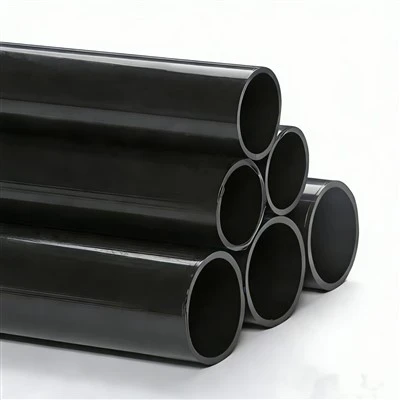
First, let’s remember what PVC and CPVC even are, because that’s the root of the confusion here. PVC stands for polyvinyl chloride, and it’s the stuff you usually see for drain-waste-vent (DWV) lines or cold-water supply pipes. CPVC is chlorinated polyvinyl chloride, right? We mod the chlorine content a bit during manufacturing to make it way more heat-resistant—perfect for hot water lines, which is 90% of what we sell our CPVC pipes for. That small chlorine bump changes everything, especially when it comes to cements.
Here’s the big rule: no, you can’t use regular old PVC cement on CPVC. Wait, let me qualify that. I’ve had a guy bring me a leaky hot-water CPVC elbow last month, swearing he used PVC cement and it held for 2 years. But that’s a fluke. PVC cement is formulated to work with PVC’s chemical makeup—its specific molecular structure and solubility. CPVC’s structure is different, so regular PVC cement doesn’t bond properly. It might look like it’s sticking at first, but heat from your water heater, expansion and contraction from temperature swings? That bond will fail. Fast. I’ve seen a laundry room flood from a pipe joint that let go overnight because someone did exactly that.
Now, why is CPVC cement different? Let’s get a little nerdy here (but only a little). CPVC cement has a higher concentration of solvents that can break down CPVC’s outer layer just enough to fuse the two pieces together. It also has a longer open time—meaning you have more time to fit the pipe and fitting before the cement starts to set—because CPVC joints often need a little more adjustment to get aligned right, especially on tight spaces like under sinks or in walls. Regular PVC cement dries way faster, which is fine for PVC’s lower temp needs, but bad news for CPVC’s thicker, heat-resistant material.
Wait, but what if I mix them? A lot of people ask that, too. Let’s be real, some guys will grab a little of both to “make it work.” Don’t. That’s like mixing oil and water—you’ll get a weak, inconsistent bond that’s guaranteed to leak. I’ve tested this myself (don’t worry, it was a small test pipe, not a customer’s job). The mixed cement didn’t dissolve CPVC properly, and when we ran 140°F hot water through it, the joint came apart in 3 days. No joke. It’s not worth the risk, especially if you’re dealing with hot water, which is the number one application for CPVC.
Now, let’s talk about when people get this wrong. The biggest mix-up is at the hardware store—pipes and cements are usually on the same aisle, right? So you grab the first cement you see that fits the pipe size, no reading the labels. Another one: DIYers who don’t realize their “cold water PVC” pipe isn’t rated for hot water, so they grab a hot water CPVC pipe but use the wrong cement. And then there’s the old guys who’ve been plumbing for 30 years, swear by PVC cement for everything, and refuse to change. I get it—habit is hard—but that habit will bite you. Last year, a veteran plumber came to me with 12 leaky CPVC joints because he used his go-to PVC cement. He fixed them with the right CPVC cement, and hasn’t had a problem since.
But wait a second—there is one exception, and it’s super specific. Some manufacturers make what’s called “transition cement” that’s designed to bond PVC and CPVC together. That’s the only time mixing or using PVC cement on CPVC is even close to okay. But even then, you can’t use it for hot water lines? Wait, no—let me check (and I’ve sold a ton of transition cement, so I know). It works for cold water or DWV lines when you’re connecting a PVC drain pipe to a CPVC hot water line. But even then, the industry standard is to use a mechanical coupling with a rubber seal for transitions, not just cement. That’s way more reliable, and less of a headache. So even transition cement is a backup, not a first choice.
Now, let’s get to the practical stuff, because I don’t want this to just be a “don’t do this” post. If you’re working with CPVC, here’s exactly what you need to do: first, get the right cement—look for labels that say “CPVC cement” and are rated for your temperature range. Most of our CPVC cements work for cold up to 200°F, which is way more than any residential hot water heater (usually 120-140°F). Second, prep the pipe and fitting properly. I see people skip this all the time, and that’s half the problem. You need to clean the ends with a little primer (wait, yes—CPVC needs primer, regular PVC might, but CPVC almost always does) to get rid of dirt, oils, and the thin layer of residue from manufacturing. Third, apply the cement: a thin, even coat on both the outside of the pipe and the inside of the fitting. Don’t glob it on—too much cement is just as bad as too little. Then, push the pipe in all the way, twist it a quarter turn to spread the cement evenly, and hold it for 30 seconds. Then leave it alone—no turning, no moving—for at least 15 minutes before you do anything with it. Wait, 15 minutes? I know, that’s longer than PVC, but that’s the CPVC cement working its magic. If you rush it, the bond is weak.
Let me also clear up a common myth: some people say “well, PVC and CPVC are both plastics, so they should work with the same cement.” Nope, that’s not how plastic bonding works. Each type of plastic has a specific chemical signature, so the solvent in the cement has to match that signature to melt the outer layer just enough to fuse them. PVC’s solvent won’t match CPVC’s, so the bond is just a mechanical one (the cement sticking to the surface, not actually fusing the plastic together). That’s why it fails—mechanical bonds are way weaker than chemical ones, especially under heat and pressure.
As a CPVC pipes supplier, I’ve had to replace a lot of bad joints because of the wrong cement. But I also love when a plumber comes back and says “I used your CPVC pipes and the right cement, no leaks in 2 years.” That’s the stuff that makes this job worth it. We don’t just sell pipes—we sell solutions, and part of that is making sure you have the right info to get the job done right.
So to recap: can you use PVC cement on CPVC? In short—no, unless it’s a very specific transition scenario, and even then it’s not ideal. Use CPVC cement designed for your application, prep the joints properly, and take your time letting it set. It’s not hard, and it’ll save you from a ton of headaches (and water damage bills) down the line.
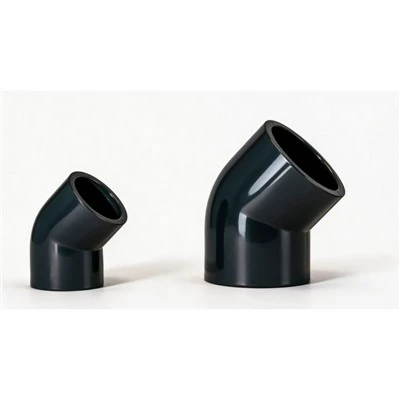
If you’re working on a project and need the right CPVC pipes, or you’re just not sure about the cement you have, hit us up to talk through it. We’re here to make sure your joints hold, not leak.
PVDF Pipes References:
- Plastic Pipe and Fittings Association. (2021). CPVC Installation Guidelines.
- ASTM International. (2020). Standard Specification for Chlorinated Polyvinyl Chloride (CPVC) Plastic Pipe and Fittings for Hot-Cold Water Distribution.
- IAPMO. (2022). Uniform Plumbing Code: Pipe and Joint Assembly Requirements.
Anhui Weidong Pipeline Technology Co., Ltd.
As one of the most professional CPVC pipes manufacturers and suppliers in China, we have world-leading production equipment and strong manufacturing capabilities. Please feel free to buy high quality CPVC pipes at competitive price from our factory. Welcome to contact us for quotation.
Address: No.35 Hongyuan Avenue, Economic Development Zone, Huoshan County, Lu’an City, Anhui Province
E-mail: 18056040225@163.com
WebSite: https://www.wdpipe.com/
