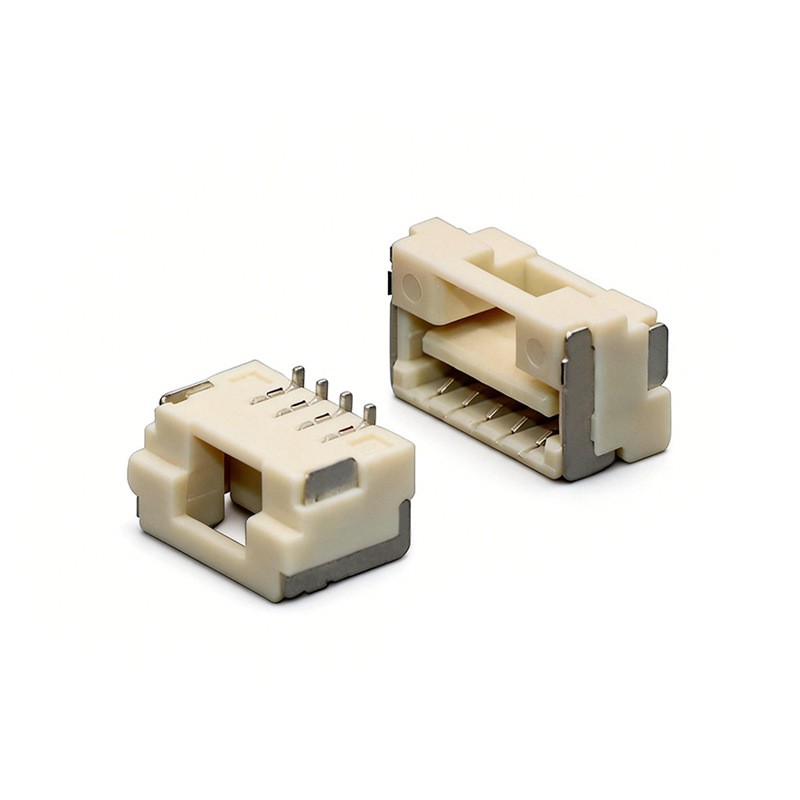
As a supplier of wire-to-wire connectors, I understand the critical importance of ensuring a reliable connection, especially in harsh environments. Harsh environments can pose numerous challenges to the performance and longevity of wire-to-wire connectors, including extreme temperatures, high humidity, vibration, and exposure to chemicals. In this blog post, I will share some key strategies and best practices for ensuring a reliable connection with wire-to-wire connectors in harsh environments. Wire-to-Wire Connector
Understanding the Challenges of Harsh Environments
Before delving into the solutions, it’s essential to understand the specific challenges that harsh environments present to wire-to-wire connectors. Extreme temperatures can cause the materials used in connectors to expand or contract, leading to loose connections or even damage to the connector. High humidity can promote corrosion, which can degrade the electrical conductivity of the connector and lead to signal loss. Vibration can cause the connector to loosen over time, increasing the risk of intermittent connections. Exposure to chemicals can also damage the connector, affecting its performance and reliability.
Selecting the Right Connector
One of the most critical steps in ensuring a reliable connection in a harsh environment is selecting the right connector. When choosing a wire-to-wire connector, consider the following factors:
Material Selection
- Temperature Resistance: Choose connectors made from materials that can withstand the extreme temperatures of the environment. For example, connectors made from high-temperature plastics or metals with high melting points are suitable for applications in high-temperature environments.
- Corrosion Resistance: Select connectors with corrosion-resistant materials, such as stainless steel or plated metals, to prevent corrosion in high-humidity or chemical-rich environments.
- Mechanical Strength: Ensure that the connector has sufficient mechanical strength to withstand vibration and shock. Connectors with robust housing and secure locking mechanisms are ideal for applications in environments with high levels of vibration.
Connector Design
- Sealing: Look for connectors with proper sealing to prevent moisture, dust, and chemicals from entering the connector. Sealed connectors are available in various forms, such as O-rings or gaskets, and can provide excellent protection against environmental contaminants.
- Contact Design: The contact design of the connector plays a crucial role in ensuring a reliable electrical connection. Choose connectors with high-quality contacts that provide low resistance and good conductivity. Additionally, consider connectors with self-cleaning contacts, which can remove oxidation and debris from the contact surface, ensuring a stable connection.
Compatibility
- Voltage and Current Ratings: Ensure that the connector is rated for the voltage and current requirements of the application. Using a connector with insufficient ratings can lead to overheating, electrical arcing, and premature failure.
- Wire Gauge Compatibility: Select a connector that is compatible with the wire gauge used in the application. Using a connector that is not compatible with the wire gauge can result in a poor connection and increased resistance.
Proper Installation and Assembly
Once you have selected the right connector, proper installation and assembly are essential to ensure a reliable connection. Follow these best practices during the installation process:
Preparation
- Clean the Wires: Before connecting the wires to the connector, ensure that the wire ends are clean and free of dirt, grease, and oxidation. Use a wire stripper to remove the insulation from the wire ends, and clean the exposed wire with a wire brush or sandpaper.
- Inspect the Connector: Inspect the connector for any damage or defects before installation. Check the contacts for proper alignment and ensure that the locking mechanism is functioning correctly.
Assembly
- Follow the Manufacturer’s Instructions: Carefully follow the manufacturer’s instructions for assembling the connector. This includes inserting the wires into the connector correctly, ensuring proper alignment of the contacts, and tightening the locking mechanism to the recommended torque.
- Use the Right Tools: Use the appropriate tools for installing the connector, such as crimping tools or soldering irons. Using the wrong tools can damage the connector or result in a poor connection.
Testing
- Conduct Continuity Tests: After assembling the connector, conduct continuity tests to ensure that there is a proper electrical connection between the wires. Use a multimeter to measure the resistance between the wire ends and ensure that it is within the acceptable range.
- Perform Environmental Testing: If possible, perform environmental testing on the connector to ensure that it can withstand the harsh conditions of the application. This may include testing the connector in high-temperature, high-humidity, or vibration environments.
Maintenance and Monitoring
Even with proper selection and installation, wire-to-wire connectors may require regular maintenance and monitoring to ensure continued reliability. Here are some tips for maintaining and monitoring connectors in harsh environments:
Regular Inspections
- Visual Inspections: Conduct regular visual inspections of the connectors to check for any signs of damage, corrosion, or loose connections. Look for discoloration, cracks, or signs of wear on the connector housing and contacts.
- Electrical Testing: Periodically perform electrical testing on the connectors to ensure that they are functioning correctly. This may include measuring the resistance, voltage, and current of the connector to detect any changes in performance.
Cleaning and Maintenance
- Clean the Connectors: If the connectors are exposed to dirt, dust, or chemicals, clean them regularly to prevent corrosion and ensure a reliable connection. Use a clean, dry cloth or a mild cleaning solution to clean the connector housing and contacts.
- Lubrication: In some cases, lubrication may be required to prevent corrosion and reduce friction between the contacts. Use a lubricant that is compatible with the connector materials and follow the manufacturer’s recommendations for application.
Replacement
- Replace Damaged Connectors: If a connector is damaged or shows signs of wear, replace it immediately to prevent further damage and ensure a reliable connection. Use a replacement connector that is compatible with the original connector and the application requirements.
Conclusion
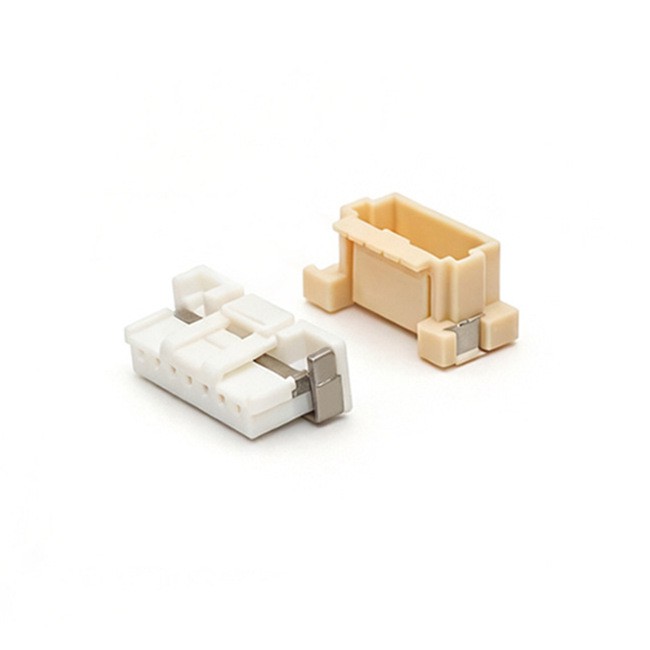
Ensuring a reliable connection with wire-to-wire connectors in harsh environments requires careful consideration of the challenges posed by the environment, the selection of the right connector, proper installation and assembly, and regular maintenance and monitoring. By following these strategies and best practices, you can minimize the risk of connector failure and ensure the long-term reliability of your electrical systems.
Automotive Connector If you are looking for high-quality wire-to-wire connectors for your harsh environment applications, please feel free to contact us. Our team of experts can help you select the right connector for your specific needs and provide you with the support and guidance you need to ensure a reliable connection.
References
- [Connector Handbook](Publisher Name, Year)
- [Electrical Engineering Textbook](Author Name, Publisher Name, Year)
- [Industry Standards and Guidelines for Wire-to-Wire Connectors](Standard Organization, Year)
Wenzhou JKUN Connector Co., Ltd.
As one of the most professional wire-to-wire connector manufacturers and suppliers in China, we’re featured by quality products and low price. Please rest assured to wholesale bulk customized wire-to-wire connector from our factory. For quotation and free sample, contact us now.
Address: No.2667, Ningkang East Road, Yueqing City, Zhejiang Province, China
E-mail: sales@cnjkun.com
WebSite: https://www.jkunjcj.com/
