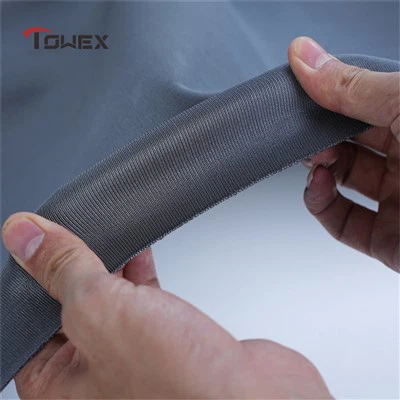
As a supplier of cut resistant fabric, I’ve witnessed firsthand the growing demand for these materials across various industries. From manufacturing and construction to food processing and healthcare, the need for reliable cut protection is more significant than ever. However, a question that often arises is: what is the cut performance of cut resistant fabric over time? Cut Resistant Fabric
Understanding Cut Resistant Fabric
Before delving into the long – term cut performance, it’s essential to understand what cut resistant fabric is. Cut resistant fabrics are engineered materials designed to protect the wearer from cuts, lacerations, and abrasions. They are typically made from high – strength fibers such as Kevlar, Dyneema, or Spectra, combined with other materials to enhance their properties.
The cut resistance of fabric is measured using standardized tests, such as the ASTM F1790 or EN 388. These tests evaluate the fabric’s ability to withstand a cutting force and assign a cut resistance level. For example, in the EN 388 standard, the cut resistance levels range from A1 (lowest) to A5 (highest).
Factors Affecting Cut Performance Over Time
1. Wear and Tear
One of the most significant factors that affect the cut performance of fabric over time is wear and tear. In real – world applications, cut resistant fabric is exposed to various mechanical stresses, such as friction, abrasion, and stretching. For instance, in a manufacturing environment, workers may be constantly moving their arms, causing the fabric to rub against machinery or other surfaces. These repeated interactions can gradually weaken the fabric’s fibers, leading to a decrease in cut resistance.
As the fabric is worn, the outer layer may start to fray or develop small holes. These damages can compromise the integrity of the fabric and make it more susceptible to cuts. Even minor abrasions can reduce the fabric’s ability to distribute the cutting force evenly, increasing the risk of penetration.
2. Chemical Exposure
Cut resistant fabric may also be exposed to chemicals in certain work environments. Chemicals such as solvents, acids, and alkalis can react with the fabric’s fibers, altering their structure and properties. For example, some solvents can dissolve or swell the fibers, making them weaker and less able to resist cutting forces.
In a healthcare setting, cut resistant gloves may be exposed to disinfectants and cleaning agents. Over time, these chemicals can break down the fabric, reducing its cut performance. Similarly, in the food processing industry, fabrics may come into contact with food acids or cleaning chemicals, which can have a detrimental effect on their long – term performance.
3. Washing and Cleaning
Regular washing and cleaning are essential to maintain the hygiene of cut resistant fabric. However, improper washing methods can also affect its cut performance. Harsh detergents, high – temperature washing, and excessive agitation can damage the fabric’s fibers.
When the fabric is washed at high temperatures, the fibers may shrink or lose their elasticity. This can lead to a change in the fabric’s structure and reduce its ability to resist cuts. Moreover, aggressive detergents can strip the fabric of its protective coatings or treatments, further compromising its cut performance.
Monitoring Cut Performance Over Time
To ensure the continued safety of workers, it’s crucial to monitor the cut performance of fabric over time. One way to do this is through regular inspections. Workers should be trained to inspect their cut resistant clothing or gloves before each use. They can look for signs of wear, such as fraying, holes, or thinning of the fabric.
In addition to visual inspections, periodic testing can also be carried out. Some companies may choose to send samples of their cut resistant fabric to a laboratory for testing. This can provide accurate information about the fabric’s current cut resistance level and help determine if it still meets the required safety standards.
Maintaining Cut Performance
1. Proper Use and Storage
Proper use and storage of cut resistant fabric can help maintain its performance over time. Workers should be instructed to use the fabric only for its intended purpose and avoid exposing it to unnecessary stresses. For example, cut resistant gloves should not be used for tasks that require extreme stretching or impact resistance.
Storage is also important. Cut resistant fabric should be stored in a cool, dry place away from direct sunlight and chemicals. This can prevent premature aging and damage to the fabric.
2. Correct Washing and Care
Using the right washing and care methods is essential for maintaining the cut performance of fabric. Mild detergents should be used, and the fabric should be washed at a low temperature. Gentle agitation is recommended to avoid damaging the fibers.
After washing, the fabric should be dried properly. Air – drying is often the best option, as high – heat drying can cause shrinkage and damage to the fibers.
The Importance of Long – Term Cut Performance
The long – term cut performance of fabric is crucial for the safety of workers. In industries where cut hazards are prevalent, such as metalworking or glass manufacturing, a decrease in cut resistance can lead to serious injuries. By understanding the factors that affect cut performance over time and taking appropriate measures to maintain it, companies can ensure the continued protection of their workers.
Moreover, from a cost – effectiveness perspective, maintaining the long – term cut performance of fabric can save money. Instead of constantly replacing worn – out cut resistant clothing or gloves, proper care and monitoring can extend their lifespan, reducing the overall cost of safety equipment.
Conclusion
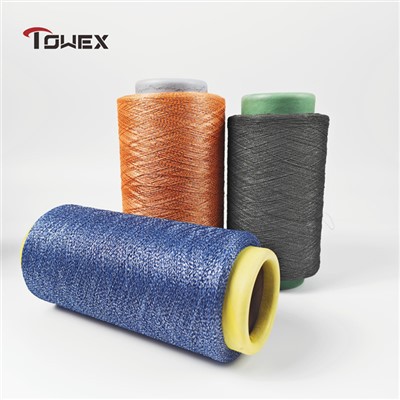
As a supplier of cut resistant fabric, I understand the importance of providing materials that offer reliable cut protection over time. The cut performance of fabric is influenced by various factors, including wear and tear, chemical exposure, and washing methods. By being aware of these factors and taking steps to monitor and maintain the fabric’s performance, companies can ensure the safety of their workers and make cost – effective decisions.
Ballistic Center If you’re in the market for high – quality cut resistant fabric that offers excellent long – term performance, I’d be delighted to discuss your specific needs. Whether you’re in the manufacturing, construction, food processing, or healthcare industry, we can provide you with customized solutions to meet your safety requirements. Reach out to us to start a conversation about your procurement needs and how we can help you find the best cut resistant fabric for your business.
References
- ASTM International. (20XX). ASTM F1790 – Standard Test Method for Measuring Cut Resistance of Materials Using a Rotary Blade Tester.
- European Committee for Standardization. (20XX). EN 388: Protective Gloves Against Mechanical Risks.
Jiaxing Towex New Materials Co., Ltd.
Jiaxing Towex New Materials Co., Ltd. is one of the most experienced cut resistant fabric manufacturers and suppliers in China, also supports customized service with low price. Please feel free to buy bulk high quality cut resistant fabric in stock here from our factory. Contact us for quotation.
Address: Building 1666, Wuzhen High-tech Zone, Tongxiang City, Zhejiang Province
E-mail: sales@towextech.com
WebSite: https://www.topuhmwpe.com/
