When it comes to the industrial and construction sectors, lifting operations are a common and crucial activity. Lifting auxiliary tools play a vital role in ensuring the safety and efficiency of these operations. However, one question that often arises is whether these tools can be used in high – temperature environments. As a supplier of lifting auxiliary tools, I have encountered many inquiries from customers regarding this issue, and in this blog, I will delve into this topic based on our industry knowledge and experience. Lifting Auxiliary Tools
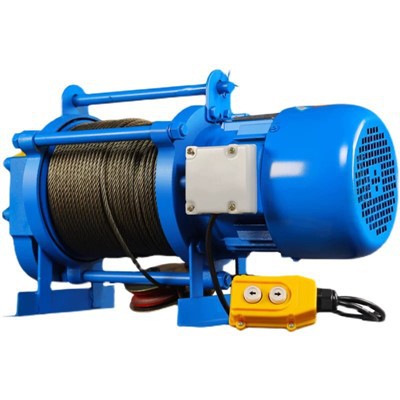
Understanding High – Temperature Environments
First, it is essential to define what a high – temperature environment is. In general, a high – temperature environment can be considered as an environment where the ambient temperature exceeds the normal operating temperature range of most industrial equipment. For many lifting auxiliary tools, the normal operating temperature range is usually between – 20°C to 60°C. Environments with temperatures above 60°C, such as foundries, glass manufacturing plants, and some areas near industrial furnaces, are typically regarded as high – temperature environments.
Effects of High Temperatures on Lifting Auxiliary Tools
Material Degradation
Most lifting auxiliary tools are made of metals such as steel, aluminum alloys, or other composite materials. High temperatures can cause significant changes in the physical and mechanical properties of these materials. For example, steel loses its strength and hardness as the temperature rises. At temperatures above 400°C, the yield strength of steel starts to decrease, and at around 600°C, it can lose up to 50% of its room – temperature strength. This reduction in strength can lead to the deformation or failure of lifting tools during operation, posing serious safety risks.
Aluminum alloys are also sensitive to high temperatures. Their strength and stiffness decrease rapidly at elevated temperatures. Moreover, high – temperature exposure can cause the formation of oxide layers on the surface of aluminum, which may affect the tool’s corrosion resistance and overall performance.
Lubrication Issues
Many lifting auxiliary tools rely on lubrication to ensure smooth operation. In high – temperature environments, the lubricants used in these tools can degrade quickly. The viscosity of lubricants changes with temperature, and at high temperatures, they may become too thin to provide sufficient lubrication. This can lead to increased friction between moving parts, accelerated wear and tear, and even seizing of components. For instance, in a high – temperature hoist, the lack of proper lubrication can cause the gears to wear out prematurely, reducing the tool’s lifespan and efficiency.
Electrical System Problems
Some modern lifting auxiliary tools are equipped with electrical components, such as sensors, motors, and control systems. High temperatures can have a detrimental effect on these electrical parts. Electrical insulation materials may degrade at high temperatures, leading to short – circuits or electrical failures. The performance of electronic components like microcontrollers and sensors can also be affected, resulting in inaccurate readings or malfunctioning of the tool.
Lifting Auxiliary Tools Suitable for High – Temperature Environments
Despite the challenges posed by high – temperature environments, there are indeed lifting auxiliary tools designed to withstand such conditions.
Heat – Resistant Materials
Manufacturers can use heat – resistant materials to construct lifting tools. For example, some high – temperature chains are made of special alloy steels that can maintain their strength and toughness at elevated temperatures. These alloy steels are often treated with heat – resistant coatings to further enhance their performance. Similarly, heat – resistant polymers can be used in the production of non – metallic components, such as handles or protective covers, to ensure their durability in high – temperature settings.
Special Lubrication Systems
To address the lubrication issues in high – temperature environments, special high – temperature lubricants are available. These lubricants are formulated to maintain their viscosity and lubricating properties at high temperatures. Some high – temperature greases can withstand temperatures up to 300°C or even higher. Additionally, self – lubricating materials can be used in the design of lifting tools, reducing the reliance on external lubricants and minimizing the risk of lubricant degradation.
Heat – Dissipating Designs
Some lifting auxiliary tools are designed with heat – dissipating features. For example, hoists may have finned heat sinks on their motor housings to increase the surface area for heat transfer, allowing the motor to operate at a lower temperature. Cooling fans can also be integrated into the tool’s design to enhance the cooling effect.
Evaluation and Selection of Lifting Auxiliary Tools for High – Temperature Environments
When customers are looking to purchase lifting auxiliary tools for high – temperature environments, several factors need to be considered.
Temperature Rating
The most important factor is the temperature rating of the tool. This rating indicates the maximum temperature at which the tool can safely operate. Customers should carefully review the product specifications provided by the manufacturer to ensure that the tool’s temperature rating meets the requirements of their high – temperature environment.
Load Capacity
High temperatures can reduce the load – carrying capacity of lifting tools. Therefore, customers need to consider the reduction in load capacity when selecting a tool. It is advisable to choose a tool with a higher load capacity than the actual required load to account for the potential strength reduction at high temperatures.
Maintenance Requirements
Lifting tools used in high – temperature environments may require more frequent maintenance. Customers should understand the maintenance procedures and requirements of the tool before purchasing. This includes regular inspections, lubricant replacements, and component replacements at appropriate intervals.
Our Role as a Supplier
As a supplier of lifting auxiliary tools, we understand the unique requirements of high – temperature environments. We offer a wide range of lifting auxiliary tools that are specifically designed or can be adapted for use in such settings. Our team of experts can provide professional advice to customers on tool selection, based on their specific working conditions, including temperature, load requirements, and frequency of use.
We also ensure the quality and reliability of our products. Our manufacturing processes follow strict quality control standards, and we conduct rigorous testing on all our products, including high – temperature testing, to ensure that they can perform effectively in high – temperature environments.
Looking to the Future

The demand for lifting auxiliary tools in high – temperature environments is expected to grow as industries such as steelmaking, glass manufacturing, and metal forging continue to expand. We are committed to continuous research and development to improve the performance of our products in high – temperature conditions. This includes exploring new materials, developing better lubrication systems, and optimizing tool designs to enhance heat dissipation.
Conclusion
Lifting Auxiliary Frame In conclusion, while high – temperature environments pose significant challenges to the use of lifting auxiliary tools, with the right selection and proper design, these tools can be used safely and effectively. As a supplier, we are dedicated to providing our customers with high – quality lifting auxiliary tools that meet the requirements of high – temperature environments. Whether you are in the process of a new project in a high – temperature environment or looking to replace your existing lifting tools, we are here to help. If you have any questions or are interested in our products, please feel free to contact us for a procurement discussion.
References
- ASM Handbook Volume 2: Properties and Selection: Nonferrous Alloys and Special – Purpose Materials.
- Machinery’s Handbook, 30th Edition.
- ISO standards related to lifting equipment and high – temperature materials.
Hebei Hengtai Crane Machinery Manufacturing Co., Ltd.
As one of the leading lifting auxiliary tools manufacturers in China, we warmly welcome you to buy bulk discount lifting auxiliary tools in stock here from our factory. All customized products are with high quality and low price. For more cheap products, contact us now.
Address: Weigezhuang Village, Donglu Township, Qingyuan District, Baoding City, Hebei Province
E-mail: hbht@cnhengtai.com
WebSite: https://www.cnhengtai.com/
