Hey there, fellow plumbers, HVAC techs, and anyone who’s ever stared at a pile of pipe fittings wondering how to get ’em to stick right—let’s cut to the chase: when it comes to hot melt pipe fittings, do you need special tools? Spoiler: yeah, kind of, but not the fancy, hard-to-source stuff you’re probably picturing. I’ve been deep in the hot melt fittings game for over a decade now, and honestly, the biggest mix-up I see is folks skipping the right tools and ending up with leaks, callbacks, and way more stress than necessary. Hot Melt Pipe Fittings
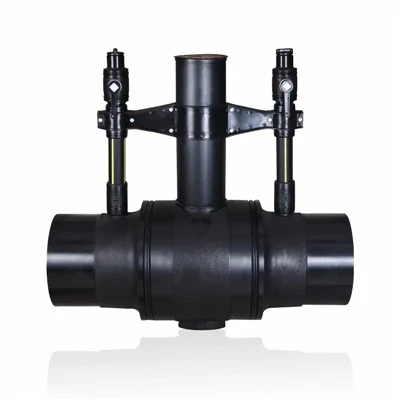
First, let’s break down what hot melt pipe fittings even are, for anyone new here. These are the ones you use when you’re working with polyethylene (PE), polypropylene (PP), or PEX pipes—super common in water supply, irrigation, and even some industrial fluid lines. Instead of gluing them with a solvent, you melt the pipe end and the fitting socket together, so they fuse into one solid piece. That’s way stronger than solvent welding, right? No chance of the glue breaking down over time, no gaps where leaks start. But that fusion part? It needs precision, and that’s where the tools come in.
Let’s start with the non-negotiable tools—these aren’t optional, I don’t care if you’ve been “winging it” with your old socket wrench set before. The big one here is the hot melt fusion machine. Wait, I hear you: “Can’t I just use a heat gun?” No, not really. A heat gun blows random, uneven heat—you’ll either burn through the pipe wall or not melt it enough, and that’s a disaster. The real deal here is a butt fusion machine or a socket fusion machine, depending on what you’re installing. Socket fusion is for smaller diameter pipes (under 160mm, usually) which is the stuff most residential and light commercial jobs use. These machines have a heated plate that’s precision-controlled—like, to the degree Celsius, not just “warm.” You crank it up to the right temp (usually around 260°C for PE), clamp the pipe and fitting in, press ’em against the plate, wait for the right “melt bead” to form—super specific, you can’t eyeball that.
Then you need the alignment tool. If your pipe’s even a little off-center in the fitting, when you press them together after melting, you’ll get a lopsided joint. That’s a weak spot. Alignment tools (often called clamps or alignment vises) hold both the pipe and the fitting perfectly straight, so when you do the final push, the melt beads are uniform all the way around. Skip that, and even if you do it right, you might have a joint that’s 30% weaker than it should be. I’ve seen this go wrong so many times—some tech tries to clamp it with a regular C-clamp, and the pipe slips, so half the bead is thin, and a year later, boom, water leak in a basement wall. Cost them a callback, cost me a referral lost. Not worth it.
Wait, but what about smaller jobs? Like, someone doing a small irrigation repair in their backyard? Can they skip the big fusion machine? I get it—you don’t want to drop a grand on a machine for one small fix. But here’s the thing: there are portable, hand-held fusion tools for smaller diameter pipes, like 16mm to 63mm. They’re not as heavy-duty as the job-site ones, but they’re still specialized. A heat gun might work for a super quick patch, but it’s not going to give you a proper, long-lasting fused joint. We’ve had customers bring in their “heat gun fixes” that leaked within months, asking for replacements. Those portable tools are made to maintain the right temp and pressure, which is non-negotiable.
Now, let’s talk about tools that people think they need, but really, they can make do with? Wait, no—wait, there’s one: the scraper. Oh, right! Before you melt anything, you have to remove the outer layer of the pipe’s surface. PE has a thin oxidized layer on the outside, and if you don’t scrape it off, the melt won’t bond properly. You can use a utility knife, but a specialized pipe scraper is way easier, faster, and gives a consistent scrape. If you use a utility knife, you might cut too deep into the pipe, weakening it. So while a utility knife might get the job done in a pinch, a scraper is definitely the tool we recommend, and it’s not super expensive—like $10 or $20. But is it “special”? Kinda, because a regular knife isn’t designed for this specific task.
Now, let’s bust some myths. First myth: “I can use a soldering iron.” No, soldering irons are for copper pipes. They use solder, a metal alloy, not melting plastic. That just burns the plastic, leaves a weird residue, and creates a joint that’ll fall apart. Second myth: “All hot melt tools are the same.” Nope. Cheap knockoff fusion machines have temp control that’s off by 20 or 30 degrees, which means either too much heat (burns the pipe) or too little (no fusion). I’ve had customers buy those cheap machines from third-party sites, and half the time, they break after a few uses, or don’t heat evenly. Stick to reputable tools, just like you would for any trade.
Wait, also—pressure! You need the right pressure when you press the pipe and fitting together after melting. That’s another thing the fusion machine clamps do for you. You need to apply enough pressure to get that uniform bead, but not so much that you squeeze all the melted material out. That pressure is specific to pipe diameter and material. Regular clamps can’t give you that consistent, calibrated pressure. If you squeeze too hard, you’ll deform the pipe, making it oval, which means the next joint you attach to it won’t align right. Too soft, and you get a bad bond.
Let’s talk about a real example, just so you get it. Last month, a local plumber came to us with a problem: he’d installed 20 feet of PE pipe for a new office irrigation system, using a heat gun and a pair of vice grips. Two weeks later, half the joints were leaking. He tried patching them with solvent, no luck. We showed him: the melt beads were lopsided, some were only half an inch thick when they should be a full bead. He borrowed our socket fusion machine, re-did the joints, and hasn’t had a leak since. He told me that earlier, he’d thought the tools were just a marketing trick, but now he gets it—tools aren’t just extra stuff, they’re what make the job last.
Another thing: safety. Wait, is a heat gun safe? Well, if you’re not using the right tool, you’re at more risk. The fusion machines have heated plates that are shielded, so you don’t accidentally burn yourself as bad as you would with a heat gun. Also, when you melt plastic, you get fumes—good ventilation is important, but specialized tools also help here, because you’re not overheating the plastic, which can release more toxic fumes. It’s a small point, but one that matters for job sites where multiple people are working.
Now, what if you’re a DIYer, not a pro? Let’s be real—some people tackle their own plumbing projects, like adding a new bathroom line or fixing a sprinkler. Can you get away with a few specialized tools here? For small jobs, like 20mm or 25mm pipes, there are entry-level fusion kits that come with the machine, a scraper, a pipe cutter, and instructions. They’re way cheaper than a full job-site machine, like $100-$200, which is worth it if you don’t want to deal with leaks later. If you try to use a heat gun as a DIYer, you’re way more likely to mess up—no temp control, no pressure, no alignment. I’ve seen DIYers end up with pipes that fit together but still leak, because they skipped the right tools.
Wait, let’s also address the “do you need special tools” question directly, now that we’ve broken it down. If you’re doing a permanent, code-compliant installation (which you should be, for any plumbing or irrigation work), yes, you need specialized tools. The fusion machine, alignment clamps, and pipe scraper aren’t optional—they’re required to make a joint that meets plumbing codes, holds up to pressure, and doesn’t leak. If you’re just doing a tiny, temporary patch for a day or two, maybe you can get away with a heat gun, but even then, it’s a risk. For any job that’s going to be around for years, especially underground or in a wall? No way, skip the shortcuts.
Now, as someone who sells hot melt pipe fittings, let me tell you—we don’t just sell the fittings. We also recommend the tools that work best with our products, because we want our customers to have success. If you buy our fittings and use a random heat gun, you’re wasting your money. The fittings are designed to work with specific tools, so the bond is strong. That’s why we often pair a standard fitting with a compatible fusion tool kit, for a better deal.
Wait, one more common mistake: not maintaining the tools. A lot of people ignore the heated plate on their fusion machine—if there’s old plastic gunk on it, it can leave marks or uneven heat on the next pipe. You need to clean the plate after every use, with a cloth or a specialized cleaner. A dirty plate will ruin a joint just as fast as using the wrong temp. So even the tools need a little care, but that’s easy stuff.
Let me wrap this up. The short answer is: yes, hot melt pipe fittings do need special tools for proper installation—no shortcuts if you want a leak-free, long-lasting joint. The key tools are a precision-controlled fusion machine (socket or butt, depending on size), alignment clamps to keep everything straight, and a pipe scraper to prep the pipe surface. Skip the heat guns and vice grips, even if they seem like a quick fix—they’ll cost you more in callbacks and replacements down the line.
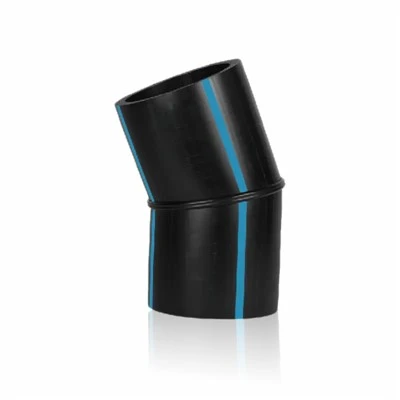
Whether you’re a pro looking to upgrade your tools, or a DIYer tackling a project on your own, getting the right tools for hot melt fittings isn’t an expense—it’s an investment in a job done right. If you’re interested in sourcing high-quality hot melt fittings, compatible tools, or want to chat through the right setup for your next project, feel free to reach out to us to connect for a discussion.
Ball Valve References:
- Plastic Pipe and Fittings Association. (2021). Socket Fusion Installation Guidelines for Polyethylene Piping Systems.
- ASTM International. (2020). Standard Practice for Socket Fusion Joining of Polypropylene (PP) Pipe and Fittings.
- Plumbing-Heating-Cooling Contractors Association. (2022). Residential Plumbing Best Practices: Hot Melt Joint Installation.
Yuyao Aoshi Hydraulic Components Manufacturing Co., Ltd.
As one of the most professional hot melt pipe fittings manufacturers and suppliers in China, we’re featured by quality products and good service. Please rest assured to wholesale hot melt pipe fittings in stock here and get quotation from our factory. Customized orders are welcome.
Address: Huilong village, Zhangting town, Yuyao city, Zhejiang province, China.
E-mail: renxuwei@vip.163.com
WebSite: https://www.jintongtrading.com/
