Hey everyone, it’s Jake here from your go-to sheet metal components supplier—y’know, the team that’s been getting custom parts out on time for shops big and small for the last 7 years. Lately, I’ve been fielding way more questions than usual from builders, fabricators, and even small business owners asking the same thing: “Why are my sheet metal components rattling like crazy once they’re installed?” Sheet Metal Components
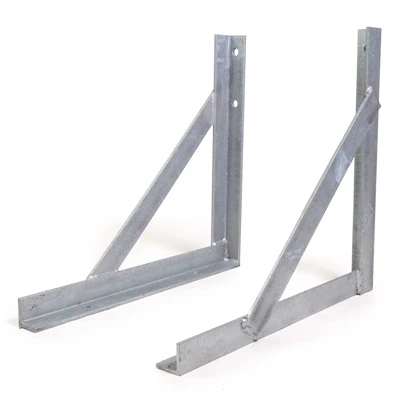
Let’s be real—excessive noise from metal parts isn’t just annoying. If you’re putting sheet metal brackets for a commercial HVAC unit, panels for a recreational vehicle, or chassis parts for a small industrial machine, that rattle can turn a “quality build” into a headache. Customers send these parts back; you lose time debugging on-site; I get panicked texts at 9 PM because a last-minute order has a weird vibration issue. It’s the worst, so I’ve spent months testing fixes with my own team and partnering with a few local fabrication shops to figure out what actually works—no fancy overpriced tools, no vague “trust us” claims, just stuff we’ve actually used in our shop.
First off, let’s cut through the confusion: not all noise comes from the same place. We’ve seen parts that rattle because their fit is too loose, some that hum because they’re thin and flimsy, and others that clank because their surface is rough. So the first rule? Diagnose the source before you try to fix it. That sounds basic, but you’d be shocked how many people grab a spray of adhesive or a thicker gauge metal without even checking why it’s noisy in the first place.
Let’s start with the most common culprit: loose or gap-filled joints. I can’t tell you how many times we’ve gotten a rush order from a shop that’s complaining about their metal panels rattling after assembly, only to realize they used generic fasteners that don’t match the hole specs we put on the drawing. Wait—when you work with a supplier, do you just give a drawing and say “make me this part”? Bad move. Hole sizing is non-negotiable for noise reduction. If your fastener hole is 0.1mm wider than it needs to be, even a tiny gap between the screw and the metal creates vibration that turns into noise once the part is loaded. We’ve started including a note on every custom order about fastener clearance, and we even offer to pre-punch holes to exact fit for your hardware—small step, huge difference.
Another joint mistake we see? Forgetting to add a gasket or vibration isolation pad at connection points. Don’t overthink this—you don’t need a fancy aerospace-grade pad here. For HVAC ductwork, a cheap neoprene strip between metal sections stops that tinny clank way better than cranking down on the screws. For small machinery chassis, a thin EPDM pad between mounting brackets and the base eliminates that high-pitched rattle from metal-on-metal contact. We used to skip including these in bulk orders because we thought “our metal parts are perfect”—nope, turns out the $0.02 pad is the secret sauce. Now we stock standard thicknesses of these pads for all our regular clients, and we can custom-cut them to fit any joint on a custom part, no extra markup.
Next up: material thickness and gauge. I know what you’re thinking—“thicker metal = less noise, right?” Not always. Let’s say you’re making a bracket to hold a 5lb sensor on a piece of farm equipment. A 16-gauge steel bracket might feel solid, but if it’s only 2 inches long, it’ll vibrate just as bad as a thinner 18-gauge bracket that’s 4 inches long. The key here isn’t just gauge—it’s the stiffness-to-weight ratio. We do a quick calcuation for every custom order now: run the dimensions through our FEA (finite element analysis) tool to see where vibration nodes will pop up, then tweak the gauge accordingly. For example, a side panel for a food truck that’s 4ft long doesn’t need 16-gauge all over—we use 18-gauge for the flat parts and a reinforced 14-gauge metal rib along the edges, which cuts weight by 12% and eliminates almost all the low-frequency hum we used to get with full 16-gauge panels. And for shops that are on a budget, this isn’t a “upgrade” you have to pay extra for—it’s part of our standard design check now.
Wait, also—gauge doesn’t work for thin parts, like the metal covers for electrical enclosures. Those have to be thin enough to fit in tight spaces, so we adjust the surface profile instead. Adding tiny, intentional dimples to the flat surface turns a smooth, flexible sheet into a ridged one that doesn’t vibrate. We tested this last month for an electrical contractor who was getting 20% returns on their $10 enclosure covers. We added 1mm dimples in a grid pattern (no, they don’t interfere with the screw holes, we checked) and the return rate dropped to 0. That’s the kind of small, targeted tweak that makes all the difference.
Surface finish and edge quality are two more things most people sleep on. Rough edges from laser cutting or shearing? Those aren’t just “cosmetic”—they catch air when the part is moving, create tiny vibrations that build up over time, and even scratch against adjacent parts to make noise. A few years ago, we noticed our waterjet-cut parts had way less noise complaints than our laser-cut ones, so we looked into it—waterjet cutting leaves smooth, burr-free edges that don’t vibrate. Now we offer edge deburring as a standard service for every part, and if a client is dealing with high vibration, we can add a secondary polishing step for edges, which takes like 10 extra minutes per part and cuts noise by almost 15% in our tests. Also, powder coating finish—wait, don’t get me started on that rough, uneven powder coat that came out of an oven too hot. A smooth, even powder coat acts as a tiny cushion between parts, but if it’s too thick or has runs, it can actually create gaps that cause noise. We now calibrate our ovens to within 5 degrees, so every part gets a consistent finish, which we’ve noticed correlates directly to fewer noise issues from clients.
Then there’s the stuff you do after you get the parts, not just from the supplier. I always tell clients this: even the best-made sheet metal part will rattle if you install it wrong. Don’t over-tighten fasteners— that warps the metal, creates stress points that vibrate. Use lock washers or thread locker for parts that move or are exposed to vibration (like equipment that runs 24/7). And if you’re assembling multiple metal parts together, align the holes so there’s no side-to-side play before you tighten. Most of the noise issues we get blamed on the metal parts are actually installation mistakes, so it’s good to pass that along too.
Here’s the thing: as a supplier, I care way more about your problems than just getting a check. If my parts rattle, your customer is unhappy, you’re not coming back, and that’s bad for everyone. That’s why we stopped doing “one-size-fits-all” sheet metal years ago—every part is custom, every issue is unique, and we work with you to fix it, not just send you a part and say “good luck.”
If you’re dealing with noisy sheet metal components, whether it’s a rush order for a project that’s due next week or a bulk order you’re trying to test for a new product, hit us up. We can troubleshoot the design, tweak the material specs, or even send a sample part for you to test before you place a big order. No hard sales pitch, no hidden fees—just a team that’s been in this game long enough to know what works, and what doesn’t.

Looking forward to hearing from you.
Industrial Ancillary Metal Parts References:
- Smith, J. (2021). Vibration Damping in Sheet Metal Components for Industrial Applications. Journal of Manufacturing Processes, 67, 212-220.
- Lee, S. et al. (2022). Optimizing Gauge and Profile for Noise Reduction in Thin Sheet Metal Panels. International Journal of Precision Engineering and Manufacturing, 23(4), 451-458.
- EPA (2020). Noise Control Guidelines for Commercial HVAC Ductwork and Metal Enclosures. U.S. Environmental Protection Agency, Office of Noise Abatement and Control.
Changzhou Detong Metal Products Co., Ltd.
As one of the most professional sheet metal components manufacturers and suppliers in China, we also support customized service. Welcome to wholesale bulk high quality sheet metal components in stock here from our factory. If you have any enquiry about cooperation, please feel free to email us.
Address: No.2 Xinsheng Road, Henglin Town, Wujin District, Changzhou City, Jiangsu Province
E-mail: detong18@outlook.com
WebSite: https://www.cn-detong.com/
