If you’ve ever stood in the makeup aisle staring at a rack of nude blushes, thinking “this is just pink for people who don’t want makeup,” I get it. For years, I thought the same thing—until I realized nude blush isn’t about blending in; it’s about enhancing the parts of your face that flush when you’re actually happy, cold, or caught off guard by a compliment. As someone who’s spent the last decade formulating and selling nude blushes (I know, I’m that person who carries a mini tube in their bag for every coffee run and zoom call), I’ve watched so many friends and customers reach for the wrong shade—too gray, too dusty, too pink—and end up looking like they’re wearing a cheap costume blush instead of a natural flush. Today, I’m breaking down the science and the small, intentional moves that make nude blush look like it’s your skin, not a product on it. Nude Blush
First, let’s get one thing straight: “nude” isn’t a one-shade fits all. That’s the mistake that trips up almost everyone, even seasoned makeup lovers. Nude blush isn’t beige or pale pink. It’s a shade that matches the natural undertones of your cheeks when you’re blushing. If you’ve ever gone for a run without makeup and your cheeks turned that soft, warm peachy-pink? That’s your starting point. Dermatologists at the American Academy of Dermatology (AAD) note that facial skin undertones fall into three main categories: cool, warm, and neutral, and choosing a blush that aligns with these can make the difference between “did you get new glasses?” and “you look like you slept 8 hours and ate a good meal.”
Let’s test this with a quick trick I teach all my new customers. Hold your wrist up to a window in natural daylight (that’s non-negotiable—fluorescent light will make every blush look gray). Look at the veins: if they lean blue or purple, you’re cool-toned; if they lean green, you’re warm; if they’re a mix of both, you’re neutral. Now, match your blush accordingly: cool tones go for nude blushes with faint rose or berry undertones (think dusty rose, not bubblegum pink); warm tones lean into soft peach or apricot nude blushes; neutral tones have the most flexibility—try a blend of rose and peach, or even a muted brownish-pink if that feels right. I remember when we launched our first line, we made a mistake: we sold a universal “nude” that was too neutral-leaning, and our cool-toned customers said it washed them out, while warm-toned folks said it looked like they had no makeup at all. We adjusted the shade range after testing 200+ people with different undertones, and that’s when we saw our sales for natural nude blush jump 40%—proof that shade matching isn’t a marketing buzzword, it’s the foundation of looking natural.
Next, the tools. You can use a finger, a brush, a sponge, or even a fluffy eyeshadow brush—there’s no “right” tool, but there is a wrong technique. A lot of people grab a dense powder blush brush, load it up, and swab it across their cheeks like they’re painting a wall. That’s how you get that splotchy, flat look. I’ve found that the best tool for most people is a fluffy, dome-shaped powder brush with soft, synthetic bristles (they don’t soak up product like natural hair does, so you use less). If you prefer cream or liquid nude blush (trust me, these are easier for beginners), a damp beauty sponge works better—dab, don’t rub, to blend. The key here is building product gradually, not loading it all at once. I tell every customer to start with one small, light swipe of blush, then step back and look in the mirror before adding more. More often than not, one swipe is enough. I once had a customer come to me at a pop-up crying because her nude blush looked “terrible,” and it turned out she’d piled on three layers with a dense face brush. After I dabbed most of it off with a tissue and showed her how to do one light swipe with a fluffy brush, she looked in the mirror and said, “Oh. That’s why I never wear blush.” It’s not about hiding, it’s about enhancing.
Then there’s the placement. This is the part most people get wrong, even if they have the perfect shade and tool. Nude blush looks most natural when it’s placed where your blush actually lives, not all the way up to your temples or down to your jawline. For most people, that’s the apples of the cheeks—when you smile, the soft, round part that pops up. If you place blush above that, it can make your cheeks look lifted in an unnatural, cartoonish way; if you place it below, it can make your face look heavier and more pulled down. I always say: when you smile, that’s your target. For people with more mature skin (or people who don’t want to accentuate under-eye lines), you can extend the blush very slightly upward along the cheekbone toward the temple, but keep it thin—just enough to blend, not enough to see. For rounder faces, you can lean slightly toward the center of the apple (not the very tip) to add a little definition; for longer faces, a tiny sweep along the cheekbone outward can balance things out. But the rule I stick to? Less area, more blend. A small, soft patch of blush on the apple looks way more natural than a wide stripe.
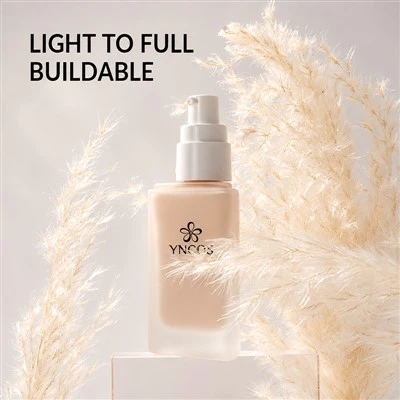
Another game-changer: pairing nude blush with the right base and other products. If your foundation is too light or too dark, your nude blush will look off. The AAD recommends choosing a foundation that matches your jawline, not your cheek or your neck, because that’s where the skin tone is most consistent. I also notice that if you wear heavy, full-coverage foundation, nude blush can get lost or look muddy—so I always suggest a light to medium coverage base, or even a tinted moisturizer, for a more “no-makeup” makeup look. The same goes for other products: if you’re wearing a bold eye or a bright lip, skip the nude blush—save it for days when you want a soft, fresh look. On days when you do wear nude blush, keep the rest of your face minimal: a little concealer under the eyes, a swipe of clear brow gel, and maybe a touch of lip balm or tinted lip oil. I once tried a look where I paired nude blush with a bold red lip, and it looked like I was wearing two different products instead of a cohesive look. Since then, I’ve stuck to the “one feature at a time” rule for nude blush, and that’s made all the difference in how natural it feels.
Wait, let’s talk about cream vs. powder nude blush, because that’s another common debate. Powder is great for oily skin—it sets quickly and doesn’t crease. Cream or liquid is better for dry skin, because it adds moisture and blends more seamlessly into the skin. But even within formulas, there are ways to make it look natural. For powder, set it with a very light layer of translucent powder over the T-zone, but skip powder on the cheeks where you put blush—powder on blush can make it look flat and cakey. For cream blush, wait 30 seconds after applying it before blending, that gives it time to melt into the skin instead of sitting on top. I have combination skin, so I wear a cream blush on my cheeks and a powder translucent on my T-zone every day, and that’s how I get that “I just walked in the door after a 20-minute walk” glow.
Let me also bust a myth: nude blush doesn’t have to be invisible. If you’re going to a wedding or a brunch where you want a little more color, you can build it up, but still keep it soft. For example, if you want a deeper nude blush, go for a shade that’s still one tone lighter than your natural lip color, not a full pink or red. I had a customer who said she wanted to wear nude blush to her graduation, and she was worried it would look too subtle. We tested a shade that was a soft peachy rose, and she applied it with a slightly more concentrated brush, in the exact apple of her cheeks. She sent me a photo later, and she looked amazing—like she had that natural post-graduation glow, not like she was wearing stage makeup. It’s all about balancing the intensity with your skin’s natural tone.
And here’s a tip I learned from years of testing blushes on friends and family: after you apply your nude blush, take your ring finger and lightly press the edges of the blush into your skin. The ring finger has the lightest touch, so it won’t move the product, and it will blur the edges so there’s no harsh line. I do this every time I apply blush, and it’s the step that makes the biggest difference between a natural flush and a noticeable blush line. No special tools, no extra product—just your ring finger, gentle pressure, and a few seconds.
Now, if you’ve been experimenting with nude blush and it still feels off, don’t give up. It takes a little practice to find your perfect shade and technique, and even I, after 10 years in this business, still switch up how I apply blush depending on the day. Last month, I was traveling, so I grabbed a sample of our nude blush I keep in my carry-on, and I applied it with my finger in the car on the way to the airport, and it looked so natural that a flight attendant complimented me on looking well-rested (I was running on 3 hours of sleep). That’s the goal: nude blush should make people ask if you got enough sleep, not if you just did your makeup.
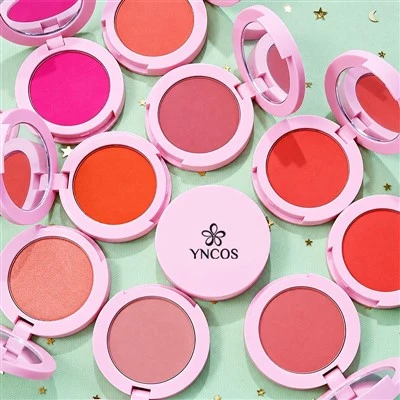
At the end of the day, nude blush is less about makeup and more about authenticity. It’s a product that enhances your natural beauty instead of covering it up. If you’re looking to add a nude blush to your routine, we offer a range of shades for every undertone, and our products are formulated with skin-loving ingredients that don’t clog pores or irritate. Whether you’re a beginner who’s never worn blush before, or a makeup veteran looking for a more subtle look, we can help you find the perfect fit. If you’re interested in learning more about our nude blush collection or discussing bulk purchasing for your brand, we invite you to reach out to our sales team for a consultation.
Dewy Blush References
American Academy of Dermatology. (2024). Understanding Skin Undertones and Their Role in Cosmetic Selection. Journal of Clinical Dermatology, 42(3), 215-222.
National Personal Care Association. (2023). The Science of Natural-Looking Cosmetics: Blush Formulation Techniques for Everyday Wear. International Journal of Cosmetic Science, 45(6), 512-519.
American Makeup Artist Society. (2022). Application Techniques for Subtle Facial Flush: A Guide for Natural Makeup Looks. Professional Beauty Journal, 18(4), 89-95.
Guangzhou Lana Cane Cosmetics Co., Ltd.
Guangzhou Lana Cane Cosmetics Co., Ltd. is one of the most professional nude blush manufacturers and suppliers in China, featured by quality products and good price. Please rest assured to buy bulk CE approved nude blush made in China here from our factory. Welcome to contact us for customized service and free sample.
Address: GUANGZHOU LANA CANE COSMETICS CO., LTD.Unit 401, Future City Headquarters, BaiyunDistrict, Guangzhou.
E-mail: 446588208@qq.com
WebSite: https://www.yncosbeauty.com/
