As a supplier of MPPT (Maximum Power Point Tracking) solar charge controllers, I’ve witnessed firsthand the transformative power of these devices in the solar energy landscape. MPPT solar charge controllers are crucial components in solar power systems, optimizing the energy harvest from solar panels and ensuring efficient battery charging. In this blog, I’ll share some insights on how to optimize the performance of an MPPT solar charge controller. Mppt Solar Charge Controller
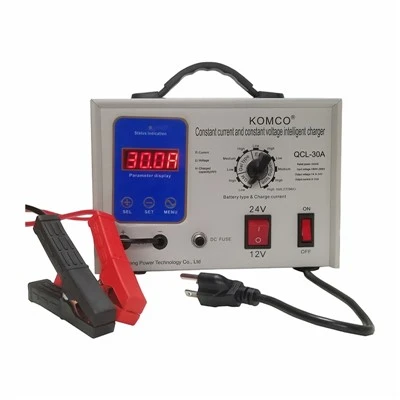
Understanding the Basics of MPPT Solar Charge Controllers
Before delving into optimization strategies, it’s essential to understand how MPPT solar charge controllers work. Unlike traditional PWM (Pulse Width Modulation) charge controllers, MPPT controllers can track the maximum power point (MPP) of solar panels. The MPP is the point on the solar panel’s current – voltage (I – V) curve where the panel produces the most power. By constantly adjusting the operating point of the solar panel to the MPP, MPPT controllers can significantly increase the energy output of the solar panel, typically by 15% – 30% compared to PWM controllers.
1. Proper Sizing of the MPPT Charge Controller
One of the most critical steps in optimizing the performance of an MPPT solar charge controller is proper sizing. The controller should be sized according to the total current output of the solar panels and the battery voltage.
- Solar Panel Current: Calculate the total short – circuit current (Isc) of all the solar panels connected in parallel. The MPPT charge controller’s rated current should be higher than the total Isc to handle any potential surges. For example, if you have three solar panels with an Isc of 5A each, the total Isc is 15A. It’s advisable to choose a controller with a rated current of at least 20A to ensure safety and optimal performance.
- Battery Voltage: The MPPT charge controller must be compatible with the battery voltage. Common battery voltages in solar systems are 12V, 24V, and 48V. Using a controller with the wrong battery voltage can lead to inefficient charging or even damage to the battery and the controller.
2. Correct Installation
Proper installation of the MPPT solar charge controller is vital for its performance.
- Location: Install the controller in a cool, dry, and well – ventilated area. High temperatures can reduce the efficiency of the controller and shorten its lifespan. Avoid installing it near heat – generating components such as inverters or motors.
- Wiring: Use high – quality wires with appropriate gauge sizes. The wire resistance should be minimized to reduce power losses. Follow the manufacturer’s wiring diagrams carefully to ensure correct connections between the solar panels, battery, and load. Incorrect wiring can lead to short circuits, overheating, and reduced performance.
3. Optimizing Solar Panel Configuration
The configuration of solar panels can have a significant impact on the performance of the MPPT charge controller.
- Series and Parallel Connections: Solar panels can be connected in series to increase the voltage or in parallel to increase the current. For MPPT controllers, a combination of series and parallel connections can be used to match the input voltage range of the controller. For example, if the MPPT controller has an input voltage range of 10V – 100V, and the solar panels have an open – circuit voltage (Voc) of 20V, you can connect five panels in series to achieve a total Voc of 100V.
- Shading: Shading on solar panels can cause a significant drop in power output. Even a small amount of shading on one panel can affect the entire array. Use bypass diodes in the solar panels to minimize the impact of shading. Additionally, ensure that the solar panels are installed in a location where they receive maximum sunlight throughout the day.
4. Battery Management
The MPPT charge controller plays a crucial role in battery management.
- Charging Stages: Most MPPT charge controllers have multiple charging stages, including bulk, absorption, and float charging. The bulk charging stage delivers a high current to quickly charge the battery up to a certain voltage. The absorption stage maintains a constant voltage to fully charge the battery. The float charging stage provides a low – level charge to keep the battery fully charged and prevent self – discharge. Set the charging parameters according to the battery type (e.g., lead – acid, lithium – ion) to ensure optimal charging and battery life.
- Battery Monitoring: Regularly monitor the battery’s state of charge (SOC), voltage, and temperature. Some MPPT charge controllers have built – in battery monitoring features, which can help you detect any issues early and take appropriate actions.
5. Firmware Updates
Manufacturers often release firmware updates for MPPT solar charge controllers to improve performance, add new features, and fix bugs.
- Check for Updates: Periodically check the manufacturer’s website for firmware updates. Follow the instructions provided by the manufacturer to update the controller’s firmware. Updating the firmware can enhance the controller’s MPPT tracking efficiency, improve battery charging algorithms, and increase overall system performance.
- Benefits of Updates: Firmware updates can adapt the controller to new solar panel technologies and battery chemistries. They can also improve the controller’s compatibility with other components in the solar power system.
6. Load Management
Proper load management can also optimize the performance of the MPPT solar charge controller.
- Load Scheduling: Schedule the use of electrical loads to coincide with the peak solar power generation. For example, run high – power appliances such as washing machines or water heaters during the day when the solar panels are producing the most power. This can reduce the reliance on the battery and ensure that the solar energy is used efficiently.
- Load Disconnection: Some MPPT charge controllers have a load disconnection feature that can automatically disconnect the load when the battery voltage drops below a certain level. This helps protect the battery from over – discharge and extends its lifespan.
7. Regular Maintenance
Regular maintenance of the MPPT solar charge controller is essential for long – term performance.
- Visual Inspection: Periodically inspect the controller for any signs of damage, such as loose connections, corrosion, or overheating. Check the wiring for any fraying or insulation damage.
- Cleaning: Keep the controller clean and free from dust and debris. Use a soft brush or compressed air to clean the ventilation ports and the exterior of the controller.
Conclusion
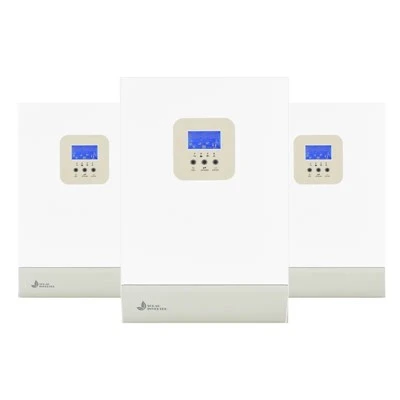
Optimizing the performance of an MPPT solar charge controller involves a combination of proper sizing, correct installation, optimized solar panel configuration, effective battery management, firmware updates, load management, and regular maintenance. By following these strategies, you can ensure that your solar power system operates at its maximum efficiency, generating more clean energy and saving on electricity costs.
Battery Charger If you’re interested in learning more about our MPPT solar charge controllers or are looking to make a purchase, we’d love to have a discussion with you. Our team of experts can provide you with detailed information, answer your questions, and help you select the right controller for your specific needs. Contact us to start the procurement discussion and take a step towards a more efficient solar power system.
References
- "Solar Power Systems Design and Installation Handbook" by Paul Gipe
- "Renewable Energy: Sources for Fuels and Electricity" by Godfrey Boyle
- Manufacturer’s manuals of various MPPT solar charge controllers
Huizhou Qiangfeng Power Technology Co., Ltd.
Huizhou Qiangfeng Power Technology Co., Ltd. is one of the most professional mppt solar charge controller manufacturers and suppliers in China, featured by quality products and good service. We warmly welcome you to buy customized mppt solar charge controller made in China here from our factory. If you have any enquiry about quotation and free sample, please feel free to email us.
Address: No. 28, Hu’ao Avenue, Shiwan Town, Boluo County, Huizhou City, Guangdong Province
E-mail: Komco@Jinlidianqi.cn
WebSite: https://www.autobatterychargers.com/
