BS flanges, which adhere to the British Standards, are widely used in various piping systems across the globe. As a BS flanges supplier, I’ve had the privilege of witnessing the importance of proper flange installation in ensuring the safety, efficiency, and longevity of piping networks. In this blog, I’ll walk you through the step – by – step process of installing BS flanges, sharing insights based on my years of experience in the industry. BS Flanges

Pre – installation Preparations
Before diving into the actual installation process, it’s crucial to conduct thorough preparations. This phase sets the foundation for a successful and trouble – free installation.
Inspection of Flanges and Components
First and foremost, carefully inspect all the BS flanges and associated components. Check for any visible defects such as cracks, scratches, or warping on the flange faces. The flange faces should be smooth and flat, as even minor imperfections can lead to leaks. Ensure that the bolt holes are clean and free of any debris, and that they are accurately aligned. Verify the dimensions of the flanges to ensure they match the requirements of the piping system. This includes checking the nominal bore size, flange thickness, and bolt circle diameter. Compare these measurements with the relevant British Standard specifications to guarantee compliance.
Cleaning of Pipes and Flanges
Clean both the pipes and the flanges to be joined. Use a suitable cleaning agent to remove any dirt, grease, rust, or other contaminants from the surfaces. A wire brush or a sandpaper can be used to lightly abrade the pipe ends and the flange faces to improve the adhesion of the gasket. For pipes with internal corrosion or debris, use a pipe cleaner or a pig to ensure the interior is clean and clear. Pay special attention to the areas where the gasket will be placed, as any foreign particles in these areas can compromise the seal.
Selection of Gaskets and Bolts
Choose the appropriate gasket based on the operating conditions of the piping system, such as temperature, pressure, and the type of fluid being transported. Common gasket materials for BS flanges include rubber, compressed fiber, and metal – jacketed gaskets. The gasket should have the correct size and shape to fit between the flange faces. Select the right bolts and nuts as well. The bolts should be made of a material that can withstand the operating conditions of the system. They should be of the correct length to ensure proper tightening without excessive stretching. Also, use the appropriate washers under the bolt heads and nuts to distribute the load evenly.
Installation Process
Once all the preparations are complete, it’s time to start the actual installation of the BS flanges.
Positioning of Flanges
Align the flanges with the pipe ends. Make sure the flange faces are parallel to each other and perpendicular to the pipe axis. Use a level or a straightedge to check for proper alignment. If the flanges are not aligned correctly, it can cause uneven stress distribution and lead to leaks. Insert the flange onto the pipe end, ensuring that it fits snugly. For some types of flanges, such as slip – on flanges, it may be necessary to weld the flange to the pipe after it is positioned.
Insertion of Gaskets
Place the gasket between the two flange faces. Ensure that the gasket is centered and fully covers the bolt holes. The gasket should be seated evenly on both flange faces. Avoid over – compressing or under – compressing the gasket during the installation process. Over – compression can damage the gasket, while under – compression can result in a poor seal.
Bolt Installation
Insert the bolts through the bolt holes in the flanges. Make sure the bolts are inserted from the same side of the flanges for a uniform appearance and ease of tightening. Place the washers under the bolt heads and nuts. Start by hand – tightening the nuts on all the bolts to ensure that the flanges are pulled together evenly. This preliminary tightening helps to seat the gasket properly.
Torqueing of Bolts
Use a torque wrench to tighten the bolts to the recommended torque value. The torque value is determined by factors such as the size of the bolts, the type of gasket, and the operating pressure of the system. Refer to the British Standard specifications or the manufacturer’s recommendations for the correct torque values. Tighten the bolts in a criss – cross pattern to ensure even compression of the gasket. This helps to prevent uneven stress on the flange faces and reduces the risk of leaks. After the initial torqueing, re – check the alignment of the flanges and the tightness of the bolts. In some cases, it may be necessary to re – torque the bolts after the system has been in operation for a short period to account for any settling.
Post – installation Checks
After the BS flanges are installed, it’s essential to conduct a series of checks to ensure the integrity of the installation.
Visual Inspection
Perform a visual inspection of the installed flanges. Check for any signs of misalignment, such as gaps between the flange faces or visible distortion. Look for any signs of damage to the gasket or the flanges themselves. Ensure that the bolts are tightened properly and that there are no loose or missing components.
Leak Testing
Conduct a leak test on the piping system. This can be done using a pressure test or a bubble test, depending on the nature of the system. For a pressure test, gradually increase the pressure in the system to the operating pressure and hold it for a specified period. Monitor the pressure gauge for any drops, which could indicate a leak. For a bubble test, apply a soapy solution to the flange joints and look for the formation of bubbles, which is a sign of a leak. If a leak is detected, identify the source and take appropriate corrective actions, such as re – tightening the bolts or replacing the gasket.
Documentation
Keep detailed records of the installation, including the type of flanges used, the gasket material, the bolt torque values, and the results of the leak test. This documentation is essential for future maintenance, inspection, and compliance purposes. It also provides a reference for any potential troubleshooting in case of problems with the piping system.
Common Challenges and Solutions
During the installation of BS flanges, several challenges may arise. Here are some common issues and their solutions:
Misalignment
Misalignment of the flanges can occur due to improper handling or inaccurate pipe cutting. To correct misalignment, use alignment tools such as flange alignment pins or jacks. These tools can help to adjust the position of the flanges and ensure proper alignment. In some cases, it may be necessary to re – cut the pipe ends to achieve the correct alignment.
Gasket Failure
Gasket failure can be caused by factors such as over – compression, under – compression, or the wrong choice of gasket material. If a gasket fails, replace it with a new one of the correct type and size. Make sure to follow the proper installation procedures, including the correct torque values for the bolts, to prevent future gasket failures.
Bolt Corrosion
Bolts can corrode over time, especially in harsh environments. To prevent bolt corrosion, use corrosion – resistant bolts or apply a protective coating to the bolts. Regularly inspect the bolts for signs of corrosion and replace any corroded bolts promptly.
Importance of Professional Installation
While it may be tempting to attempt a DIY installation of BS flanges, it’s highly recommended to hire a professional installer. Professional installers have the knowledge, skills, and experience to ensure that the flanges are installed correctly. They are familiar with the British Standard specifications and can handle any challenges that may arise during the installation process. A proper installation reduces the risk of leaks, which can lead to costly repairs, downtime, and potential safety hazards.
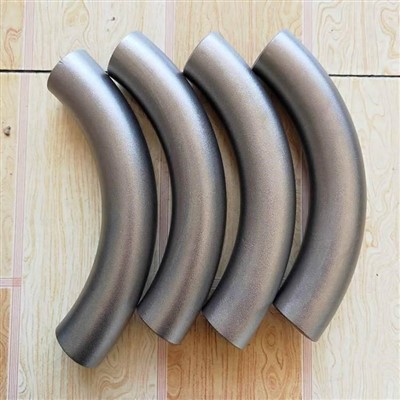
Pipe Elbow In conclusion, the installation of BS flanges is a critical process that requires careful planning, preparation, and execution. As a BS flanges supplier, I understand the importance of providing not only high – quality flanges but also the support and knowledge to ensure their proper installation. If you’re in need of BS flanges for your piping system or have any questions about their installation, feel free to reach out. Our team of experts is ready to assist you in selecting the right flanges and ensuring a smooth installation process.
References
- British Standard Documentation for Flanges
- "Piping Handbook" by Mohinder L. Nayyar
- Flange Manufacturer’s Installation Guides
Hebei Haihao Group Huadian High Pressure Pipe Fittings Co., Ltd.
As one of the most professional bs flanges manufacturers and suppliers in China, we are able to meet the needs of the majority of our customers. Please rest assured to wholesale high quality bs flanges made in China here from our factory. For price consultation, contact us.
Address: Donglin Industrial Zone, Mengcun County, Cangzhou City, Hebei Province, China
E-mail: haihaohuadian@outlook.com
WebSite: https://www.hhfittings.com/
