If you’ve ever walked through a busy warehouse, loading dock, or retail backroom, you’ve seen pallet dollies at work. These unassuming tools turn heavy, cumbersome loads into manageable ones, letting workers move pallets of boxes, inventory, or raw materials with far less effort than lifting by hand. But for all their convenience, pallet dollies come with real risks—ranging from strained backs to falls, crushed fingers, and even more serious accidents—if they’re not used correctly. As someone who’s spent years supplying high-quality pallet dollies to businesses across logistics, manufacturing, and retail, I’ve seen first-hand how small, avoidable mistakes can lead to major harm. This post isn’t just a list of rules; it’s the lessons I’ve learned working with clients, technicians, and safety teams to keep people safe while getting work done. It’s the practical, on-the-ground guidance I wish every worker and warehouse manager had when they first start using a pallet dolly. Pallet Dolly
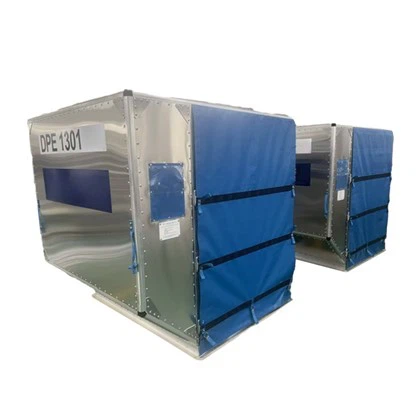
First, let’s start with the basics: not all pallet dollies are the same, and matching the right dolly to your load is the first and most critical safety precaution. I’ve had clients come to me with stories of using a standard, lightweight pallet dolly to move a load of 2,000 pounds of raw lumber—only for the dolly’s forks to bend, the load to shift, and a worker to get pinned between the dolly and a loading dock rail. That’s a story that haunts me, because it was completely preventable. Pallet dollies have weight ratings, and they’re not suggestions—they’re non-negotiable limits. A standard grocery pallet dolly (the kind with a 3,000-pound rating) works great for boxes of canned goods or small retail inventory, but a heavy-duty pallet dolly, built with thicker steel and reinforced forks, is required for loads over that threshold, like construction materials or large machinery parts. It’s not just about weight, either; load size matters too. A 48×40 inch pallet is the standard, but if you’re moving a custom-sized pallet, you need a dolly with forks that extend far enough to support the entire base of the load. Never try to cram an oversized pallet onto a smaller dolly—this creates an unbalanced load that can tip mid-move. Last year, a manufacturing client told me they switched all their oversized load moves to our long-fork heavy-duty dollies, and their shift-related accidents involving tipping loads dropped by 80% in six months. That’s not just a sales win; that’s the kind of difference we’re in this business to make.
Next, inspect your pallet dolly every single time you use it. This is a habit that’s easy to skip when you’re rushed to get a shipment out or restock a store, but it’s the difference between a safe move and a disaster. I always tell new workers to do a 10-second check before every use—no exceptions. Start with the forks: look for any bends, cracks, or sharp edges that could catch on a pallet’s wood or pierce a worker’s hand. Then check the wheels and casters. Worn-out wheels can skid on wet concrete or uneven warehouse floors, and broken casters can lock up unexpectedly, making the dolly lurch. I once saw a worker get thrown off a dolly because a front wheel had a broken axle; the worker assumed the dolly was fine because it had “worked yesterday,” and the broken axle didn’t show up until they were halfway across the loading dock. Don’t stop at the parts you can see. Test the brake, if your dolly has one, to make sure it engages smoothly. Wiggle the handle a little—if it feels loose, the bolts might be coming undone, which could lead to the handle snapping while you’re moving a heavy load. Even if your dolly is brand new, don’t skip this check. Factory defects happen, and a quick inspection can catch a faulty weld or a misaligned wheel before it causes harm.
Once your dolly is ready, it’s time to load the pallet—and this is where a lot of accidents happen, because people rush to get the load on and don’t take the time to secure it. First, center the pallet on the dolly’s forks. If the load is off-balance, it will pull the dolly to one side, making it hard to steer and easy to tip. I’ve had clients ask me, “What’s the big deal if the load is just a little off-center?” That “little off-center” can create a leverage point that’s enough to tip the dolly when you turn a corner or hit a small patch of debris on the floor. A good rule of thumb: the center of the pallet should line up perfectly with the midpoint between the two forks. For loads that are heavier on one side, distribute the extra weight as evenly as possible. If you can, stack lighter items on top of heavier ones—this keeps the center of gravity low, which is key for stability. High centers of gravity are a major tipping hazard; I once helped a retail client that kept stacking pallets of light, bulky plastic bins on top of heavy pallets of cleaning supplies. They started tying down the upper loads and lower their stacking height by a foot, and their tip-over accidents stopped entirely.
Securing the load is non-negotiable, too. Even a pallet that looks tight can shift when you’re moving it, especially if you’re going up a small ramp or around a sharp turn. I’ve seen boxes slide off a dolly and hit a worker’s foot, or entire pallets tumble over and crush a rack below. Use shrink wrap, straps, or pallet bands to fasten the load to the pallet, and make sure the fastening is tight enough that nothing moves. Never rely on gravity or a few loose pieces of tape to hold a load in place. For extra security, especially for tall or irregular loads, add a secondary strap around the middle of the load, not just the top. And here’s a quick tip: when you lift the pallet off the ground, lift it only 2 to 4 inches, no higher. The higher the load is off the floor, the more unstable it is. It also makes it harder to maneuver, and if you hit a bump, the load is more likely to shift or fall. I always tell workers: if your load is high enough that you can’t see over the top of it, you’re lifting it too high. That’s a problem waiting to happen.
When it’s time to move the dolly, your technique matters as much as the equipment. Let’s start with your stance: keep your feet shoulder-width apart, and stand behind the handle, not to the side. Standing to the side might feel more comfortable, but it puts you off-balance if the dolly lurches or tips, and you can get crushed between the dolly and a wall or rack. Grip the handle firmly with both hands, and keep your back straight—no leaning forward or twisting your torso to steer. Twisting your back while pulling or pushing a heavy load is the number one cause of pallet dolly-related back injuries, and those injuries can be debilitating for years. Bend your knees when you start moving, not your waist, to avoid straining your lower back. When steering, make slow, gentle turns. Sharp turns at speed can throw off the balance of the load and cause a tip. If you need to make a tight turn, slow down, even stop if you have to, and turn the handle gradually. Don’t yank the handle or jerk the dolly—this is a common mistake for new workers, who think moving faster will save time, but it leads to accidents every time.
Floor conditions are another thing you have to pay attention to, because a smooth-looking warehouse floor can have hidden hazards. Wet spills, oil, or residue can make dolly wheels skid, especially when braking. Debris like broken wood, packing peanuts, or small boxes can get stuck in the wheels or casters, making them lock up. Uneven concrete, small ramps, or threshold strips between rooms or into trucks can cause the dolly to jolt or tip if you don’t approach them carefully. Always scan your path before moving the dolly. If you see a spill, report it to your team or supervisor before you move the load. If there’s debris, clear it out of the way, or take a different route. When you approach a threshold or ramp, slow down, and cross it at a 90-degree angle, not at a diagonal. Diagonally crossing a threshold puts uneven pressure on the dolly’s wheels, which can make the load tip. And if you’re moving a load near a dock edge, never go within a foot of the edge. A dolly can tip if it goes too far over the edge, and falling off a dock is one of the most serious pallet dolly accidents I’ve ever seen. Always keep a safe distance, and if you’re loading or unloading a truck, use dock plates to cover the gap between the dock and the truck floor—never move a dolly across the gap without one.
Handling the dolly when you’re done is just as important as handling it when you’re moving. A lot of accidents happen when workers are putting the dolly away, not while they’re moving it. First, never leave a loaded dolly unattended. Even if you’re only stepping away for a minute to grab a tool, a loaded dolly can roll away if it’s on an incline, hit a worker, or tip over. If you have to pause, lower the load all the way to the ground, and either secure the brake if your dolly has one, or wedge a small piece of wood or a wheel chock under the wheels to keep it from moving. When you unload the dolly, never use your hands to push the pallet off. Lift the dolly’s handle slightly to lower the forks, and guide the pallet off slowly. Never yank the pallet off, which can make the dolly lurch. When you’re storing the dolly, park it in a designated area, not in the middle of a walkway, loading dock, or near a rack. A dolly left in a walkway is a tripping hazard for other workers, and it can also get run over by a forklift, damaging both the dolly and the forklift, or causing a serious accident.
I also want to talk about training, because even the best dolly and the most careful worker can have an accident if they’re not properly trained. I’ve had clients buy top-of-the-line pallet dollies, only to have high accident rates because they threw new workers on the dolly with a 5-minute tutorial. Pallet dolly use isn’t something you figure out on your own. A good training program should cover the weight ratings, inspection steps, loading technique, moving rules, and emergency procedures. It should also cover what to do if the dolly starts to tip: don’t try to hold on to the load, step away quickly, and get clear. A lot of workers want to save the load, but that’s how you get hurt. I always tell my training sessions: the load is replaceable; you’re not. Training shouldn’t be a one-time thing, either. Refreshers every six months, or when a new worker joins the team, are key. Even experienced workers can pick up bad habits over time, like skipping inspections or making sharp turns at speed. I’ve seen a 10-year warehouse veteran get hurt because they skipped inspecting their dolly one day, and a wheel had a broken bolt—something they would have caught if they’d followed their own routine.
And let’s not forget personal protective equipment (PPE). It’s not just a buzzword; it’s a last line of defense if something goes wrong. Every worker using a pallet dolly should wear steel-toe boots, to protect their feet if a box falls or the dolly rolls over their toes. Gloves are a good idea too, to protect hands from sharp edges on forks, broken pallets, or shifting loads. High-visibility vests are critical for workers moving dollies around trucks or near forklifts, because they make you easier to see. Hard hats are necessary in areas where there’s a risk of falling objects, like above racks. I always make sure that the clients I supply dollies to have the right PPE available, because it’s not enough to give them the right equipment—they need to be protected when things don’t go according to plan.

At the end of the day, pallet dollies are tools that make work easier, but they require respect. Over the years, I’ve built my business on more than just selling dollies; I’ve built it on helping clients keep their workers safe, because I know that’s the most important part of any job. If you’re looking to upgrade your pallet dollies, or you have questions about which model is right for your facility, I’d be happy to talk through your needs and share more of the lessons I’ve learned working with teams like yours. We can find a solution that fits your operations, while keeping safety at the forefront.
Pallet Dolly References
OSHA. (2023). Powered Industrial Trucks and Material Handling Equipment. Occupational Safety and Health Administration.
National Institute for Occupational Safety and Health (NIOSH). (2022). Work-Related Musculoskeletal Disorders in Warehousing. NIOSH Publication.
Material Handling Industry (MHI). (2021). Pallet Handling Safety Guidelines. MHI Standards and Education Department.
American National Standards Institute (ANSI). (2020). Safety Requirements for Manual Pallet Trucks and Dollies. ANSI B56.1-2020.
Wuxi Aviation Ground Equipment Co., Ltd.
Wuxi Aviation Ground Equipment Co., Ltd. is well-known as one of the leading pallet dolly manufacturers and suppliers in China. Please rest assured to buy or wholesale discount pallet dolly for sale here from our factory. For price consultation, contact us.
Address: No.18 Dingxiang East Road, Hudai Town, Binhu District, Wuxi, Jiangsu, P.R. China
E-mail: sales@wxagecl.com
WebSite: https://www.wxagecl.com/
