Hey everyone, let’s cut to the chase—if you’ve ever woken up stuffy, itchy, or with a weird rash right after a night on your spring mattress, you’ve probably wondered: is this bed making me allergic? And if you’re someone like me, who sells spring mattresses for a living, that’s a question I get all the time, from regular folks scrolling our site to friends who know what I do. Let’s break this down real, no jargon, just the facts and the stuff we actually deal with as mattress suppliers. Spring Mattress
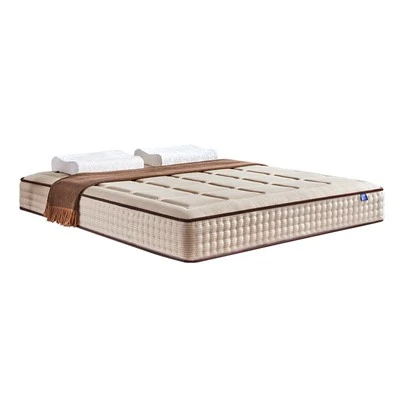
First, let’s get one thing straight: a spring mattress itself—those metal coils that give your bed that bouncy, supportive feel—isn’t the allergy culprit. Wait, hold on, don’t stop reading yet. It’s not the springs. Most of the time, the issues start with the stuff around the springs, not the core. Let’s walk through the common triggers so you know what to look for, especially if you’re shopping for a new mattress and don’t want to end up sniffling through your 9 AM meeting.
I’ve seen this play out way too many times. A customer messages us a week after getting their bed, saying their nose won’t stop running. They blame the spring mattress, but when we dig a little, it’s almost always the upholstery layers on top. Let’s start with dust mites—those tiny, eight-legged guys that love warm, humid places. They’re not biting you, they’re just leaving their shed skin and poop in the fibers. If your spring mattress has a thin, loose cover made of cheap polyester or even cotton that’s not tightly woven, that dust mites can sneak right in? Game over. They multiply like crazy if you live in a damp climate (looking at you, folks in the Southeast US) and boom—your bed’s a mites’ paradise. That’s what’s triggering your allergies, not the coils.
Then there’s mold or mildew. Again, not the springs. If the materials on top of the coils absorb moisture and don’t dry out, mold grows. Maybe you spilled a drink and didn’t clean it, or your room’s so humid there’s condensation on the walls that seeps into the mattress. The springs themselves are metal, so they might rust a bit if wet, but mold’s on the fabric, foam (a lot of spring mattresses have a thin foam layer on top for cushioning), or even the padding between the coils. We had one customer in Florida who thought her new spring mattress was making her cough nonstop—turns out she kept her window open all night and the mattress got damp, leading to mold on the top fabric. She cleaned it with a mild, mold-specific cleaner, let it air out, and no more stuffiness. That’s not the spring’s fault, that’s the environment and the material choice.
Another big one: chemical sensitivities. A lot of cheap spring mattresses use synthetic adhesives to hold the upholstery layers together, or flame retardant chemicals that aren’t regulated super well. Some people are sensitive to those volatile organic compounds (VOCs) that off-gas for the first few weeks after unboxing. We’ve all heard the “new mattress smell” right? That’s usually VOCs. Some people get headaches, itchy skin, or congestion from that. Again, this isn’t the coils—this is the cheaper materials wrapped around them. Our spring mattresses use low-VOC, water-based adhesives and non-toxic flame retardants, so that smell fades way faster, and most people don’t react. But if you’re buying a no-name spring mattress from a big box store for $200, that’s when you might run into those chemical issues.
Wait, but are there any cases where the springs themselves cause allergies? Let’s be honest—super rare. Some people have metal allergies, like nickel. But wait, the springs we use are usually coated with something to prevent rust and make them durable. But if you have a super severe nickel allergy, in theory, if the coating wears down over years and the metal is exposed, that could cause a reaction. But that’s like, a one in a million scenario, and way less common than the other triggers. I’ve only heard of one case in 10 years of selling mattresses, and that guy was working with his mattress every day, taking it apart, so the coating was gone. For regular use? The springs aren’t the problem.
So let’s switch sides—what can you do if you have allergies and you’re looking at a spring mattress? First, don’t cross spring mattresses off the list entirely. They’re still one of the most popular types because they’re supportive, durable, and way more affordable than memory foam or latex for a lot of people. Here’s what to look for to avoid allergy issues, which is also what we focus on when we make our mattresses.
First, get a tightly woven, hypoallergenic cover. A lot of our spring mattresses come with a cover that’s made of a microfiber fabric woven so tight, dust mites can’t get through. That’s a game-changer. If you already have a spring mattress you’re allergic to, you can buy a hypoallergenic mattress cover to wrap it up—this blocks dust mites, keeps moisture out, and cuts down on VOC off-gassing too. I recommend washing that cover every two weeks in hot water (over 130°F) because that kills dust mites.
Next, check the materials. Avoid spring mattresses with thin, cheap padding or foam that’s full of fillers. Look for mattresses with organic cotton covers, wool padding (wool is naturally moisture-wicking and repels dust mites, by the way), or latex layers if you want extra cushioning. We use wool padding in most of our spring mattresses because it’s a natural, breathable material—so it doesn’t trap moisture, meaning no mold, and it’s hypoallergenic for most people. If you have a bad reaction to synthetics, that’s a big win.
Then, give your new mattress time to air out. When you get a spring mattress, especially if it’s vacuum-sealed for shipping, unbox it in a well-ventilated room, open a window, and let it sit for 24-48 hours before you put sheets on it. That lets most of the initial VOC smell fade. We always tell customers this, and almost everyone says the smell is gone by day two. If you’re sensitive, you can sprinkle some baking soda on the mattress for a few hours after unboxing to absorb any odors, then vacuum it off. That’s a cheap trick we learned early on.
Wait, also—regular cleaning. Even the best spring mattress can get dust mites and dirt if you don’t clean it every now and then. Vacuum the top of your mattress once a month with the upholstery attachment, and spot clean spills right away. If you live in a super humid area, a dehumidifier in your bedroom can keep moisture levels low (under 50% humidity is ideal) so mold and dust mites can’t thrive. That’s way cheaper than buying a new mattress, and it makes a huge difference.
Let me also address a common myth I hear all the time: “All spring mattresses are bad for allergies.” No way. I’ve had customers come to us because their old memory foam mattress was making their allergies way worse—memory foam traps heat and moisture, so dust mites love it. They switch to our spring mattress with the hypoallergenic cover and wool padding, and they’re shocked that their symptoms go away. That’s the thing—spring mattresses can be great for allergies, if you pick the right one, not just the cheapest one.
As someone who sells spring mattresses, I know there’s a lot of misinformation out there. Some people will tell you memory foam is the only hypoallergenic option, or that all spring mattresses are dirty. But that’s not true. It all comes down to what’s around the springs, not the springs themselves. We design our mattresses with that in mind—we test every batch of materials to make sure the VOC levels are low, we use tightly woven covers that block dust mites, and we skip the cheap adhesives that cause reactions. We even have a line for people with severe allergies, with all organic materials, no synthetic fillers at all.
Wait, let’s talk about a recent example. Last month, a customer who works in a daycare—super high exposure to dust and germs—messaged us. She had tried three different spring mattresses before, and all of them made her sneeze. She thought it was the coils, so she was ready to drop $1000 on a latex mattress. We told her to check the materials, and she realized her old mattresses had thin polyester covers and cheap foam. She got our spring mattress with the microfiber hypoallergenic cover and wool padding, and a month later she sent us a note saying she hadn’t sneezed through the night once. That’s exactly why we do what we do—we want people to have a good night’s sleep, not be miserable from a mattress issue.
So let’s wrap this up, because I know I rambled a little (that’s just how I talk, sorry). Can a spring mattress cause allergies? Yes, but almost never because of the springs. It’s the upholstery layers, the cheap fillers, the adhesives, or the dust mites/mold growing in the materials around the coils. The good news is, if you do your research, a spring mattress can actually be a great, affordable, low-allergy option—way better than a lot of other types, if you pick the right one.
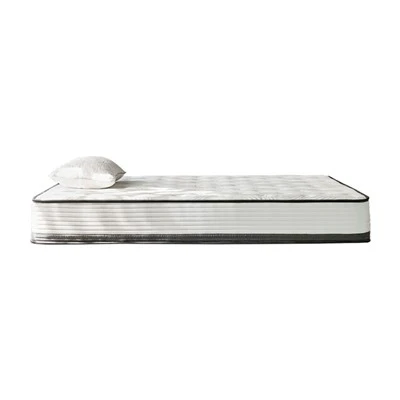
If you’re in the market for a spring mattress and you’re worried about allergies, or you want to ask more about the materials we use, we’re here to help. We don’t do high-pressure sales, we just want you to get a mattress that works for you. Reach out to our team to chat through your needs, ask about our allergy-friendly options, or even get a sample of our mattress covers if you want to test them out. We’re happy to walk you through everything, no stuffy jargon, no hidden fees.
Handcrafted Mattress References
- American Academy of Allergy, Asthma & Immunology. "Dust Mites and Allergies." 2023.
- Environmental Protection Agency. "Volatile Organic Compounds (VOCs) in Consumer Products." 2022.
- Sleep Foundation. "Best Mattresses for Allergies: What to Look For in 2024." 2024.
- Journal of Allergy and Clinical Immunology. "Nickel Allergy in Bedding Materials: A Rare Occurrence." 2021.
- Textile Institute. "Hypoallergenic Bedding Materials: Performance and Safety." 2023.
Jiujiang Jinlu Furniture Co., Ltd.
As one of the most professional spring mattress manufacturers and suppliers in China, we offer a wide range of products with superior quality. Please feel free to wholesale customized spring mattress at competitive price from our factory. For quotation, contact us now.
Address: No.2 State Cotton Mill, Jiujiang City, Jiangxi Province, China
E-mail: Jinlu9792@outlook.com
WebSite: https://www.jinlufurniture.com/
