Hey there, it’s Jake from the aluminum strip game, and I get it—tracking down high-quality aluminum strips that don’t cut corners (pun totally intended) can feel like hunting for a needle in a haystack lately. A few weeks back, I had a guy hit me up saying he’d ordered strips from three different sellers, and every single batch was either too bendy, full of weird pits, or the thickness was off by a whole millimeter (frustrating, I know). If you’re a fabricator, appliance maker, EV part builder, or even a small DIY shop that relies on consistent, top-tier aluminum strips, this post is for you. Let’s break down where to actually find good ones, and how to tell the real deal from the junk that’s gonna leave you fixing mistakes later. Aluminum Strip
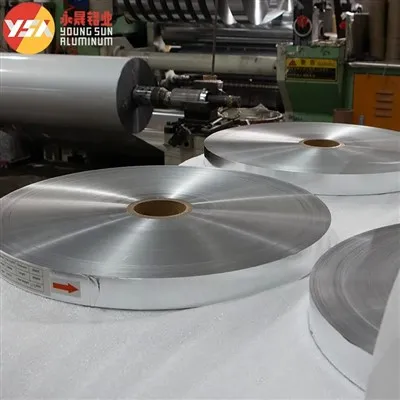
First off—let’s ditch the “just Google ‘aluminum strips near me’” rabbit hole, okay? That’ll get you a bunch of random sellers, some of whom are just middlemen who buy cheap scrap metal, roll it thin, and call it done. No shade to middlemen, but when you’re paying for “high-quality,” you don’t want someone marking up a batch that’s gonna fail your client’s inspection. The actual go-tos? Let’s start with the no-brainer that most people sleep on: reputable direct aluminum manufacturers. Wait, before you zone out—yes, I said direct, but not the big box industrial giants that treat small orders like an afterthought.
Wait, let’s back up. What even makes an aluminum strip high-quality? Quick reality check: it’s not just shiny metal. It’s the alloy (like 1050 for electrical stuff, 3003 for general fabrication, 5052 for corrosion resistance—those are the workhorses), consistent thickness (within +/- 0.001 inches, not +/- 0.01, which is a huge difference), no surface defects, full traceability for every batch, and compliance with stuff like ISO standards if your work needs that. So when you’re looking, these are the non-negotiables to keep in your back pocket.
Back to where to buy. First, direct from a specialized aluminum strip manufacturer—not a general metal supplier, not a random online marketplace. Why? Because guys like me (full transparency, I run a facility that’s been making aluminum strips for 12 years, we don’t mess around) control every step: we source the aluminum ingot from certified mills, use modern rolling mills that monitor tension 24/7, do QA checks at every stage (ingot stage, after rolling, after finishing), and can adjust orders for small or bulk quantities. For example, last month we had a small bakery equipment maker come to us for 500 feet of 0.5mm 3003 strip, and we got it to them in 3 days—no runaround, no “your order’s too small.” The downside here? A lot of these manufacturers don’t have flashy websites, and they don’t do social media ads (we barely do, actually—word of mouth’s always worked better for us, which is why I’m writing this post). How to find them? Skip the top Google ads—look for “aluminum strip manufacturers with ISO certification,” or check industry forums for metal fabricators, or even ask other pros in your field (like I said, word of mouth’s real in this biz).
Next up: trusted specialty metal distributors that actually vet their suppliers. Wait, but not every distributor. I see guys on Alibaba or Amazon selling aluminum strips that claim to be 3003 but are actually 1050 with extra impurities, right? So when you’re browsing online marketplaces, filter for distributors that have been around for at least 5 years, have real customer reviews (not the ones that say “great product!” with no details), and list exact alloy specs, thickness tolerances, and QA processes. For example, a good distributor will post that their aluminum strips meet ASTM B209 standards, and they’ll give you a batch test report if you ask. A bad one will just say “high-quality aluminum strip” and leave out all the details. I’d steer clear of any marketplace listing that doesn’t let you request a sample first—sample checks are non-negotiable. If a seller won’t send a small sample to test for thickness, surface quality, and alloy, that’s a red flag.
Wait, what about those custom metal shops that do small runs? If you need super-specific, one-off strips (like for a prototype or a small job), a local custom metal shop might work, but here’s the catch: make sure they’re not just cutting bulk aluminum sheets into strips. That’s a big mistake I see. Cutting sheets into strips leaves rough edges, inconsistent width, and can cause micro-cracks that make the strip break when you bend it. A good custom shop will have slitting equipment specifically designed for aluminum strips, not just a band saw. Ask them: “Do you use a precision slitter for strips, or just cut sheets?” If it’s the latter, keep looking—you’ll end up wasting more time and material fixing rough edges.
Now, let’s talk about the mistakes people make that lead to bad aluminum strips. I had a guy come to me last month who bought 1,000 feet of strip from a big online marketplace, and when he used it for solar panel brackets, it corroded within 2 months. Turns out it was a low-grade alloy, not the 5052 he ordered. Another client (a car parts maker) had strips that were too thin in some areas and too thick in others, so their stamping machines couldn’t handle the variation, leading to 30% of parts being rejected. That stuff costs money—time, materials, client trust. So how do you avoid it? First, never buy without specs. Don’t just say “aluminum strips”—say “alloy 3003, 0.8mm thickness, 12mm width, +/- 0.002 inch tolerance.” Second, always ask for batch documentation. Good suppliers keep track of every ingot, every rolling run, every QA check—they can send you a test report that proves the alloy and thickness. Third, test samples yourself. I recommend doing a bend test (good aluminum strips will bend 180 degrees without cracking), a corrosion test (submerge a small piece in salt water for a week—bad alloys will show rust or pitting), and a thickness check with a micrometer (super cheap, like $10 at a hardware store—worth every penny).
Wait, what about bulk orders vs. small orders? A lot of small shops or DIYers think they can’t buy direct from a manufacturer because their order is too small. That’s a myth. We regularly fill orders for 100 feet, 500 feet, even 10 feet—no minimum order requirement for most of our standard alloys. The big manufacturers with huge minimums aren’t the only game in town, and a lot of smaller, specialized strip makers (like me) cater to all order sizes. For bulk orders (like 10,000 feet+), direct from a manufacturer is the way to go—you’ll get a better price, and you can work with them to adjust specs if you need something custom (like a polished surface or a specific temper for deep drawing).
Let’s also talk about red flags to watch out for. If a seller’s price is way lower than everyone else’s, that’s a huge red flag. Aluminum’s got a set cost based on ingot prices, so if someone’s selling 3003 strip for half the market rate, it’s either scrap metal, the wrong alloy, or has defects they’re hiding. Another red flag: no customer service that knows the product. If you call or email and the rep can’t tell you the difference between 3003 and 5052, or can’t give you a thickness tolerance number, they don’t know what they’re selling—run.
Now, let’s wrap this up with the real tea, since I’m the guy making these strips. At the end of the day, the best place to buy high-quality aluminum strips is from a specialized, reputable strip manufacturer—whether that’s us, or another one you find through industry connections—because they control every part of the process. No middlemen marking up junk, no generic suppliers guessing at specs. But if you’re not ready to go direct yet, vet every distributor or marketplace seller with specs, samples, and batch docs.
And if you’re tired of dealing with strips that let you down? Hit me up. We make all standard alloys (1050, 3003, 5052, 6061) with strict tolerances, no surface defects, and we’re cool with any order size—whether you need 10 feet for a side project or 10,000 feet for a big job. We’ll send a free sample, answer all your questions, and even help you pick the right alloy for your specific use case. No pressure, just honest metal.
Before I go, let’s list the quick recap for anyone scrolling to the end:
- Skip Google ads and generic marketplaces for bulk or critical orders.
- Prioritize suppliers that list exact alloy specs, tolerances, and QA processes.
- Always request samples and batch test reports.
- Avoid sellers with way too low prices or reps who don’t know their stuff.
Thanks for hanging out—next time you need aluminum strips, don’t waste time on the bad stuff. Stay sharp.
Container Aluminum Foil References:
ASTM B209 Standard Specification for Aluminum and Aluminum-Alloy Sheet and Plate, American Society for Testing and Materials
ISO 9001 Quality Management Systems Requirements, International Organization for Standardization
Metal Supplier Association: Guide to Selecting Aluminum Strips for Fabrication, 2022
Journal of Materials Engineering and Performance: Corrosion Resistance of Common Aluminum Alloys for Industrial Applications, Vol. 31, 2022
Henan Yongsheng Aluminum Industry Co., Ltd.
We are one of the most reliable aluminum strip manufacturers and suppliers in China. With abundant experience, we warmly welcome you to buy high-grade aluminum strip for sale here from our factory. All custom made products are with high quality and competitive price.
Address: Gongyi City Industrial Cluster District, Huiguo Town, Gongyi City, Henan Province
E-mail: eric@ysaluminum.cn
WebSite: https://www.ysaluminummill.com/
