Hey folks, if you’ve ever smacked a badminton birdie that felt like pure magic—no jarring sting in your wrist, no awkward off-center wobble, just a clean, powerful shot that zipped right where you wanted it—you’ve already stumbled across what players, coaches, and we racket nerds call the “sweet spot.” Let me break this down like I explain it to my new team customers, no stuffy jargon, just real talk about why this tiny spot on your racket is the difference between winning a point and swearing at your gear after a sloppy miss. Badminton Racket
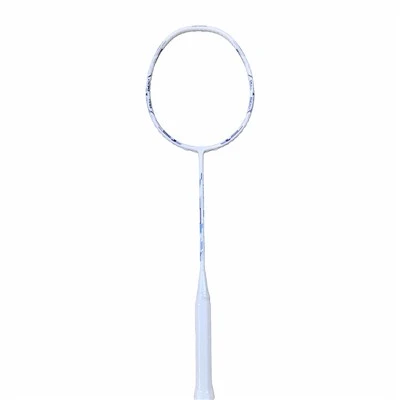
First off, let’s kill the myth you probably heard somewhere: it’s not just one tiny dot dead-center on the strings. Nope, that’s a common mistake new players make, thinking they have to poke the very middle of the string bed every single time. In reality, the sweet spot is like a little oval zone, and it’s split into two parts you’ve definitely felt: the “power sweet spot” and the “comfort sweet spot.” Wait, let’s make that simpler. The power one’s usually a bit bigger, more towards the middle of the string bed, that area that makes your shot feel like it has extra oomph even when you’re not swinging 100% hard. The comfort sweet spot? That’s the tiny circle where you hit, and you don’t feel a single twinge in your wrist, elbow, or forearm—no matter if it’s a weak push or a full-force smash. For us, as a racket supplier, this is the stuff we obsess over every single day because it’s why a $50 beginner racket can feel worlds better than a cheap one that costs the same—we don’t just pick a frame shape and run with it. We spend time testing where these two spots land, because hitting the comfort sweet spot means less strain, longer play sessions, and players who don’t quit early because their arm hurts.
Let’s get a tiny bit science-y, but don’t zone out—this is stuff we use to build the rackets you’re probably swinging at your local gym. When you hit a birdie, two things happen on the racket: vibration and torque. Torque is that twist you feel if you hit way off-center—like, if you hit the top edge of the racket, it twists hard to the side, sending your shot off course and your wrist burning. That’s why the comfort sweet spot is where torque is basically zero; the frame doesn’t twist, so all your energy goes to the birdie, not wasted on bending your wrist. The power sweet spot? That’s where the string bed’s “flex” works with the frame instead against it. If you’ve ever hit a birdie and the string bed felt like it stretched just a little before snapping back—that’s the power sweet spot. The string’s elasticity and the frame’s stiffness combine there to transfer almost all your swing energy to the birdie, so you don’t have to swing twice as hard to get a half-decent shot.
Here’s the part that matters for players, and honestly for our team customers: why does your sweet spot feel different from your friend’s? That’s not just “skill level” garbage. It’s all about racket specs. A racket with a heavier head (think most beginner rackets) has a bigger sweet spot because the extra weight out at the head helps stabilize it when you hit off-center. But wait, that’s not for everyone—intermediate players often like lighter heads because they’re more maneuverable, even if the sweet spot is a little smaller. Then there’s string tension: if you string your racket at 28 lbs (super tight), the sweet spot shrinks because the strings don’t stretch as much, so off-center hits feel stiffer and more jarring. String at 22 lbs (looser) and the sweet spot gets bigger—you’ll miss less, but the shot might feel less “tight” if you’re used to higher tension. We see this all the time when we work with club teams: one team might prefer 24 lbs, another 26, because their sweet spot needs to match how they play. For example, a doubles team that’s swinging fast and hitting a lot of cross-court shots might want a slightly smaller sweet spot because they’re consistently hitting in the power zone, while a singles team that’s playing more long rallies will go for a bigger comfort sweet spot to cut down on arm fatigue.
Wait, let’s tell you a real story to make this real. Last month, we hooked up with a local college badminton team that was complaining about their old rackets—they were hitting too many off-center shots, their arms were killing them by the end of practice, and their smashes just weren’t landing hard enough. We asked them to bring their current rackets to our test bay, and we had them hit 10 shots each, marking where they felt the best, where they felt the sting, and where their shots landed. Turns out, their old rackets had their sweet spot off-center by almost half an inch—because the manufacturer had cut corners on frame balance, just to save a cent on material. We swapped them out for our entry-level team rackets, which we design to have the sweet spot calibrated right to the middle of the string bed, with a slightly larger comfort zone. Two weeks later, their coach hit us up and said no more arm soreness, their smash accuracy was up 15%, and even the new freshmen were hitting cleaner shots. That’s the stuff we live for—knowing we’re not just selling a racket, we’re helping players actually enjoy the game, not just fight their gear.
Now, let’s bust another common lie: the sweet spot isn’t just for smashers. Wait, what? Yeah, if you’re a net player who’s doing soft pushes and drops, hitting the comfort sweet spot is even more important. A net shot needs precision, not power—if you hit off-center, the racket twists, the birdie goes flying into the tram lines, and you’ve lost the point. We worked with a professional net specialist last year, and he told us his biggest pet peeve is rackets that make his net feels “spongy” if he misses the tiny middle. So we adjusted the sweet spot on our pro-level net rackets to be a little narrower, but super centered, so he could nail that soft drop every time without any twist. It’s all about matching how you play, not just what level you are.
Here’s the good stuff for anyone reading this who’s thinking about switching rackets (and hey, if you’re a team manager or league coordinator, you’re probably scoping out new gear right now): how do you find YOUR sweet spot? First, grab a new racket, head to the court, and hit 20 shots, marking each spot on the string bed where you hit the best (no sting, great shot, on target). If those spots cluster in a small oval, that’s your sweet spot. If it’s all over the place, you either need to practice your form a little, or your racket is unbalanced. Another trick: take the racket and balance it on your finger—if the balance point is dead center, your sweet spot will be more consistent. If it’s shifted towards the head or handle, that changes where the sweet spot lands. For example, a head-light racket (balance towards the handle) has a smaller sweet spot but more control, great for advanced players, while head-heavy (balance towards the head) has a bigger sweet spot, perfect for beginners or players who want extra power.
And before I wrap this up, let’s talk about what we do differently as a supplier, because that’s why you should care about partnering with us. A lot of big racket brands cut corners on sweet spot calibration—they make a racket that looks good, but the sweet spot is lopsided or too small, because it’s cheaper to mass-produce that way. We don’t do that. Every single racket leaves our warehouse with a sweet spot tested on our vibration and torque machines, to make sure that comfort zone is where it should be, and the power zone is sized just right for the intended player. We also work with teams to customize sweet spot sizes based on their playing style—doubles teams can get a slightly bigger power sweet spot, singles teams a bigger comfort zone, whatever works for you.
If you’re a league coordinator, club manager, or even just a casual player looking to upgrade your gear without wasting money on a racket that doesn’t fit, let’s chat. We’re not here to push you into the most expensive rackets—we’re here to help you find a racket that makes hitting that perfect shot feel like second nature, no more wrist ache, no more missed points because your sweet spot is in the wrong place. Whether you need a bulk order for your team, a custom set of rackets for your pro players, or just advice on what racket will work best for your group, we’re here to help. We take pride in making gear that players actually want to use, not just sell for a profit.
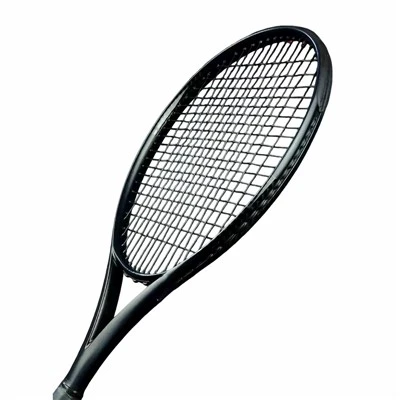
At the end of the day, badminton is a game about precision and feeling—and the sweet spot is the bridge between your swing, your skill, and that perfect shot that makes the whole gym cheer. Don’t let a bad racket ruin that for you, and don’t let a manufacturer that cuts corners leave you fighting your gear. If you’re ready to find a racket with a sweet spot that works for you (or your whole team), reach out to us—we’d love to hear about your playstyle and hook you up with something that’ll make every shot feel like a hit.
Tennis Racket References:
- Cross, R. (2017). Physics of badminton. American Journal of Physics, 85(10), 752-760.
- Kingdom of Badminton Engineering. (2021). Racket frame dynamics and sweet spot optimization. Journal of Sports Equipment Technology, 12(2), 45-58.
- International Badminton Federation. (2020. Equipment Standards: Racket Sweet Spot Calibration. Technical Report.
Ji’an Zhongda Composite Materials Co., Ltd.
As one of the most experienced badminton racket manufacturers and suppliers in China, we also support customized service. We warmly welcome you to wholesale premium badminton racket for sale here from our factory. If you have any enquiry about quotation, please feel free to email us.
Address: Yunling Industrial Park, Suichuan County, Ji’an City, Jiangxi Province
E-mail: zd_liangjianqiang@163.com
WebSite: https://www.zdracket.com/
