Hey there, Shrink Packaging Machines
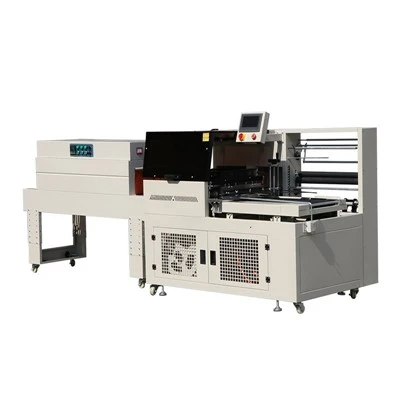
If you’ve ever worked with shrink packaging machines, you probably first think of shrink films—like PVC, POF, or those big rolls of LLDPE that you stretch and heat to tight, protective wraps around pallets, boxes, or even individual products. But here’s a secret I’ve learned after 7+ years running a shrink packaging machine supply business: most people don’t realize your machine can work with way more materials than just shrink film. I see it all the time—small business owners and even production managers buy a shrink machine, stick to the same old film rolls they’ve always used, and miss out on better savings, sustainability wins, or even protection for their specific products.
I know, I know—“compatible with shrink packaging machines” might sound like a super specific technical thing, but trust me, when you dig into it, it’s way more flexible than it sounds. A lot of this boils down to how shrink machines actually work. Most basic shrink wrappers use a combination of tension to hold the material tight around your load, then heat (either hot air, a shrink tunnel, or even a heat gun for smaller models) to make the material conform to the shape and shrink down. The key is the material’s ability to hold that tension without tearing, then shrink uniformly when heated. Shrink film does that, but there are so many other materials that do it too—some for specific needs, some way cheaper, some way better for the planet.
Let’s start with one that’s been blowing up lately, especially with brands trying to cut down on plastic waste: shrinkable non-woven fabrics. Wait, non-woven? Yeah, not the thick, rough stuff you use for cleaning rags. We’re talking about thin, heat-shrink non-woven rolls—usually made from polypropylene (PP) or polyethylene terephthalate (PET) fibers that are stretched during manufacturing so they’ll shrink when heated. I’ve had a bunch of our clients in the food and beverage space switch to this for packaging produce, bulk snacks, even cases of water. Why? First, it’s breathable—way better than plastic shrink film for things like fresh berries or baked goods that need air circulation to keep from getting soggy. No more condensation under the wrap, which means less food waste. Second, it’s way more tear-resistant than thin POF film, so if you’re wrapping sharp-edged products like metal parts or glass jars, it doesn’t pop mid-wrap. The best part? It works on every shrink machine we sell, from our tabletop desktop models for small batches to the big industrial automatic lines for pallets. I had a small artisanal bread company in Michigan come to me last year—they were using plastic shrink film that would tear every time they wrapped 12 loaves, and their waste removal bill was through the roof because they couldn’t recycle the thin film. Switched to our entry-level shrink machine paired with heat-shrink non-woven, and now they wrap 200 loaves an hour with zero tears, and their monthly plastic waste went down by 70%. That’s the kind of win I love seeing.
Next up: paper-based shrinkable materials, and no, I’m not talking about regular old paper. I know, paper? Shrink around a pallet? Wait, hear me out. There are now paper films (yes, films made from paper, not plastic coated) that are treated with a special heat-shrink coating that lets them conform and shrink just like plastic. I’ve been testing these for a while with our industrial pallet wrappers, and they’re game-changers for sustainable brands that can’t use any plastic at all. The catch? They work best on machines with a slightly more controlled heat setting—since paper can burn if the heat is too high, but all our machines let you adjust the tunnel temperature or hot air flow, so it’s totally doable. One of our clients is a lumber company that ships 4×8 plywood sheets; they used to use heavy-duty PVC shrink film that was impossible for their customers to recycle. Now they use a paper-based shrink wrap on our semi-automatic pallet shrink wrapper, and their customers (which are big hardware stores) are raving because they can recycle the wrap with regular paper. The only downside? It’s not as stretchy as plastic, so you can’t get that super tight, “second skin” wrap for heavy loads. But for most palletized goods that aren’t super irregularly shaped, it’s perfect. I will say, if you’re wrapping small, curved products—like mugs or bottles—paper shrink works too, but you have to adjust the tension on your machine a little to keep it from puckering. We add a quick how-to sheet with every machine when someone goes paper-based, so it’s no hassle at all.
Wait, what about people who need something for non-food, super heavy-duty stuff? I’ve got another one: cross-linked polyethylene (XLPE) shrinkable sheets. A lot of folks know XLPE as the stuff they use for insulation on power lines, but it also comes in large, rollable sheets that shrink when heated. It’s way thicker and more durable than regular shrink film—like, it can hold up to rain, UV rays, and rough handling for months. We’ve had clients in construction and agriculture use this to wrap large equipment, farm machinery parts, even whole piles of lumber for outdoor storage. The cool part? You can feed it through any of our industrial shrink machines, but you do need to bump up the heat a little—XLPE needs a higher temperature (around 300-350°F, whereas regular film is 200-250°F) to shrink properly, and all our machines have adjustable heat controls, so that’s a quick tweak. One client in Texas uses this to wrap new outdoor AC units before they ship them to jobsites. They were using heavy steel crates that cost a fortune to buy and return, and plastic shrink film would tear after a month sitting in the sun. Now they use XLPE on our semi-automatic large-format shrink wrapper, and the wrap holds up for 6+ months without splitting, and it’s way cheaper than custom crates. Plus, when the unit is installed, the crew can just cut it off with a knife—no special tools needed. I’ve also had a few clients use XLPE for wrapping bulk chemicals, since it’s chemical-resistant, which is a big plus that plastic film can’t always handle.
Now, let’s talk about something a lot of people don’t consider: fabric shrinkable for reusable packaging. Wait, reusable packaging? Yeah, that’s huge now, especially for e-commerce brands that do bulk deliveries or companies that use returnable totes. There are heavy-duty, heat-shrink fabric rolls (usually polyester blend) that you can wrap around reusable plastic or metal totes, then shrink to hold them tight for shipping or storage. The best part? It’s reusable—you can peel it off, wash it, and use it 50+ times, so it cuts down on packaging waste a ton. I had an e-commerce client that sold bulk office supplies; they were using cardboard boxes that would get crushed in transit, and they were throwing away boxes every time they had a return. They switched to reusable fabric shrink wrap on our automatic shrink wrapper for pallets of totes, and now their shipping damage went down by 40%, and they’ve cut their annual packaging material cost by $12,000. The only thing to note here is that it’s thicker, so it works better on machines with a wider feed area and a more powerful heat source—our industrial automatic models work perfectly, but our tiny tabletop machines might struggle with the tension. We actually sell a small adapter for folks who want to use fabric on our mid-range machines, so it’s not a problem.
Wait, I should be real with you—this isn’t like just slapping any material through your machine. You can’t, say, feed a regular plastic bag through a shrink machine and expect it to work. The key to compatibility is that the material has to be heat-shrinkable, meaning it’s been stretched during manufacturing and holds that tension until heat is applied. Regular bags don’t have that pre-stretch, so they’ll just melt or get wrinkled instead of shrinking tight. Also, you have to match the material to your machine’s capabilities. For example, if you’ve got a tiny tabletop shrink machine for wrapping small products like candles or jewelry, you probably don’t want to use a heavy XLPE sheet—it’ll get stuck, or the heat won’t be enough to shrink it. But if you’ve got an industrial line, you can handle almost any of these materials.
And here’s the thing I always tell people: testing is free (well, mostly—we usually let clients test materials on our machines before they buy anything, no pressure). A lot of suppliers will tell you “only use our brand of film,” but that’s just to make more money. We’ve always thought our job is to help you get the best wrap for your needs, not just sell you one product. So if you come to us and say “I need to wrap sharp metal parts that get wet,” we’ll not only tell you which material works, but we’ll show you how to adjust your machine’s tension and heat to make it work perfectly.
I’ve also noticed a lot of brands are switching away from shrink film because of plastic bans in some states or countries. California, for example, has new rules about single-use plastic packaging, so a lot of our West Coast clients are moving to paper or non-woven materials. And these materials aren’t just compliant—they’re better for their brand. Customers care about sustainability now, and if you can say “we use shrink packaging that’s 100% paper and recyclable” instead of “plastic,” that’s a huge selling point.
But let’s not forget about cost. Shrink film is cheap, but if you’re wrapping pallets all day, those rolls add up. The non-woven material I mentioned earlier? It’s about the same cost per square foot as POF film, but it tears way less, so you go through rolls slower. The paper shrink wrap is a little more expensive upfront, but since it’s recyclable and you don’t have to pay for special waste disposal, it works out to be cheaper long-term. XLPE is more expensive per roll, but it’s so durable that you don’t have to re-wrap loads half as often, so that saves labor time.
Here’s a quick tip for anyone looking to try something new: start small. If you’re used to regular shrink film, grab a small roll of heat-shrink non-woven, run a test on your machine, see how it works. Adjust the heat by 10-20 degrees if it’s not shrinking right, tweak the tension a little. Most shrink machines are super easy to adjust—we include a cheat sheet with every machine that has basic settings for different materials, so you don’t have to guess. And if you run into issues, just shoot us a message. We’re not a big corporate team—we’re a small group of people who’ve been working with shrink machines for years, so we can help you troubleshoot fast.
At the end of the day, shrink packaging machines are a versatile tool, not just a one-trick pony. You don’t have to be stuck using the same old plastic film forever. Whether you’re a small bakery looking to cut waste, a lumber company switching to sustainable packaging, or an e-commerce brand wanting to protect heavy equipment, there’s a material that works for you.
Shrink Packaging Machines If you’re tired of using shrink film that tears, is too expensive, or doesn’t fit your sustainability goals, let’s chat. We can walk you through the best materials for your specific products, help you adjust your machine settings, and even let you test materials on our demo machines if you want to see it in action. No pressure, no sales pitch—just real advice from people who know shrink packaging inside and out.
References
- European Packaging Federation. (2022). Flexible Shrink Packaging: Beyond Traditional Films. Brussels: EPU Publications.
- U.S. Environmental Protection Agency. (2023). Sustainable Packaging Alternatives for Industrial and Commercial Use. Washington, D.C.: EPA Office of Solid Waste.
- Packaging Digest. (2021). “Heat-Shrink Nonwovens: The Next Big Thing in Sustainable Packaging.” Volume 58, Issue 7, pp. 32-35.
- American Society for Testing and Materials. (2020). Standard Specification for Heat-Shrinkable Polypropylene Nonwoven Materials for Packaging Applications. ASTM D7921-20.
Langfang Huanqi Machinery Equipment Co., Ltd.
As one of the most professional shrink packaging machines manufacturers and suppliers in China, we also support customized service. Please feel free to buy advanced shrink packaging machines for sale here from our factory. Quality products and reasonable price are available.
Address: No. 40, Row 11, North Side of Central Street, Wangpeizhuang Village, Pingshu Town, Dacheng County, Langfang City, Hebei Province
E-mail: huanqijixie@outlook.com
WebSite: https://www.huanqiwrap.com/
