If you’ve ever stared at a hand-carved wooden bowl, a smooth spinning table leg, or a decorative wooden spindle and thought, “I could never make that,” let me stop you right there. I’ve spent the last 12 years working in woodworking machinery supply, and one of the most common conversations I have with new hobbyists is about how intimidating a wood lathe can feel at first glance. Most beginners think it’s a tool only for seasoned woodworkers with decades of experience, but that couldn’t be further from the truth. A wood lathe is actually one of the most accessible, rewarding tools you can pick up if you’re just starting out, and today I’m breaking down exactly what it is, how it works for newbies, and why it might just become your favorite piece of workshop gear. Lathe
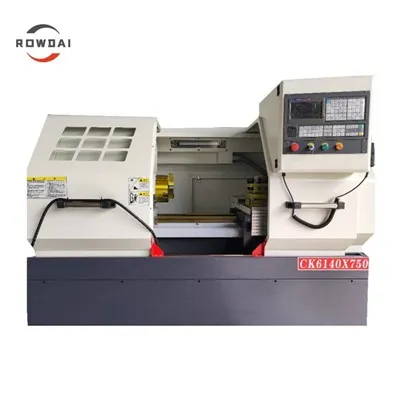
First, let’s get the basics straight: a wood lathe is a power tool that spins a piece of wood rapidly along its axis while you use sharp cutting tools to shape it. Unlike a table saw or a drill press, which hold your wood steady and move the blade, the wood lathe spins the wood itself, letting you carve, sand, or cut into it at high speed to create symmetrical, curved, or cylindrical shapes. Think of it like a wooden top that you control with precision—except instead of spinning for a few seconds, it spins long enough for you to work every detail. That simplicity is why it’s perfect for beginners, but it’s also what makes it versatile enough for everything from tiny jewelry boxes to full-sized furniture parts.
When I first started in this industry, I’d bring demo lathes to local maker spaces, and the first time a beginner turned their first wooden pencil holder without making a huge mess, I saw their entire perspective shift. What makes it approachable for new folks is that the learning curve is gradual—you don’t have to master complex techniques on day one. Most beginners start with very simple projects: a round cutting board, a small bowl, a pepper mill, or a spindle for a chair. These projects use basic cuts that are easy to practice, and they give you instant, tangible results that make all the practice worth it.
Let’s talk about the key components of a wood lathe so you understand what you’re working with. For a beginner, you don’t need anything fancy—we always recommend entry-level lathes that are compact, easy to set up, and have adjustable speeds. The main parts you’ll see are the bed: a long metal bar that holds everything in place. On the bed, there are two heads: the headstock, which is fixed on one end and has a motor that spins the wood, and the tailstock, which slides along the bed and holds the end of your wood to keep it stable. Your wood is secured between the headstock and tailstock, usually with a chuck (a set of jaws that grips the end of the wood) or a spur drive (a pointed metal insert that digs into the end grain of the wood). Then you have the tools: roughing gouges, for shaping the outside of the wood, detail gouges for finer cuts, skew chisels for straight edges, and parting tools for cutting pieces away from the lathe. Safety gear is non-negotiable too: a face shield to protect your eyes from flying wood chips, gloves (wait, actually—we tell beginners to avoid gloves because they can get caught in the spinning wood), closed-toe shoes, and a dust mask, since woodworking produces a lot of fine particles.
One of the most common mistakes new wood lathe users make is rushing their first cuts. I’ve seen it a hundred times: a beginner gets their wood spinning, grabs a gouge, and pushes too hard, resulting in a lopsided shape or even a kickback (when the tool catches the wood and sends it flying). That’s why we always emphasize slow speed for beginners. Entry-level lathes let you adjust the speed, and for most basic projects, starting at 1,000 to 1,500 RPM is perfect. Too fast, and the wood can vibrate or splinter; too slow, and the cuts feel sluggish. Once you get more comfortable, you can bump up the speed for finer work, but starting slow is key.
Let’s walk through a sample beginner project to make this real. Say you want to make a small wooden bowl. First, you pick a piece of rough, kiln-dried wood—something like maple or birch is ideal for beginners because it’s soft and forgiving, not too gnarled or knotty. You cut it into a round blank (a cylinder) slightly larger than you want the final bowl to be. Next, you mount it on the lathe: attach the spur drive to the headstock, tap the end of the blank onto the spur, and slide the tailstock up to the other end of the blank, tightening it just enough to hold it steady (don’t over-tighten, that can crack the wood). Now turn on the lathe, and you’ll see the blank spinning. Start with a roughing gouge to shape the outside into a smooth cylinder, working slowly, letting the tool do the work—you don’t need to push hard. Once the outside is smooth, switch to a detail gouge to shape the inside of the bowl, taking small, shallow cuts. When you’re happy with the shape, turn off the lathe, sand the bowl while it’s still on the lathe (holding the sandpaper gently against the spinning wood), and add a finish like mineral oil to protect it. That’s it—your first bowl, made in a few hours.
What I love most about wood lathe turning for beginners is that it’s incredibly meditative. There’s something about watching a plain block of wood transform into a smooth, functional object with just a tool and a spinning piece of material. It’s also a skill that builds over time. When you start, you might only make simple bowls and spindles, but as you get more confident, you can move on to more complex projects: turned table legs, chess sets, pen blanks, even small wooden toys. The versatility is endless, and there’s always a new technique to learn.
Now, let’s address some of the hesitations I hear all the time. “I don’t have a lot of space.” Entry-level wood lathes are compact—many fit on a standard workbench, so you don’t need a huge workshop to get started. “I don’t know if I’ll stick with it.” Our entry-level lathes are affordable, so you can test the waters without breaking the bank, and we offer free beginner resources: video tutorials, project guides, and one-on-one consultations to help you get set up. “I’m worried about safety.” Modern wood lathes have safety features like emergency stop buttons, and as long as you follow basic rules (no loose clothes, tie back long hair, keep your work area clear), it’s no more dangerous than other power tools.
As a lathe supplier, I’ve built my business on helping beginners get started with the right tools, not just selling them equipment. Too many new woodworkers overbuy on their first lathe—they go for a big industrial model that’s too heavy, too powerful, and way more than they need. That’s why we always recommend starting with a 12-inch or 14-inch mini wood lathe, which is perfect for small to medium projects, easy to move if needed, and simple to operate. We also stock all the accessories you’ll need: chisels, face shields, sandpaper, and dust collection systems, so you don’t have to hunt around for different supplies.

If you’re curious to learn more about how a wood lathe can fit into your hobby or workshop, I’d love to chat. Whether you’re just starting to research your first tool, need advice on which lathe is right for your space, or want to ask about beginner project ideas, we’re here to help. We’ve worked with hundreds of new woodworkers over the years, and our goal is to make your first wood lathe experience fun, safe, and rewarding. Don’t let the intimidation of spinning wood hold you back—grab a lathe, some wood, and start turning today.
Horizontal Machining Center References:
- The Wood Lathe Handbook: A Beginner’s Guide to Turning Wood, 3rd Edition, 2021.
- American Woodworker Magazine, “Choosing the Right Lathe for Your Workshop,” 2022.
- National Wood Lathe Association, “Safety Basics for New Turners,” 2020.
- Kiln-Dried Wood Resource Guide, “Best Wood Species for Beginner Turners,” 2021.
Henan Rowdai Machinery Equipment Co., Ltd.
As one of the most professional lathe manufacturers in China, we’re featured by quality products and good price. Please rest assured to buy high-grade lathe for sale here from our factory. If you have any enquiry about cooperation, please feel free to email us.
Address: Building 9, E-Commerce Industrial Park, High-Tech Zone, Zhengzhou, Henan, China
E-mail: rowdai@rowdai.com
WebSite: https://www.rowdai.com/
