Hey there – if you’ve ever stood in the baby aisle at a store, you’ve definitely glanced at the diaper racks and wondered: are there actually diapers made just for boys vs. girls? As someone who’s been in the baby diapering game for over a decade (and runs a small diaper supply brand that works with family-run boutiques across North America), I get asked this question at trade shows, on our Instagram DMs, and even from neighbors at the grocery store way more than you’d think. Baby Diapers
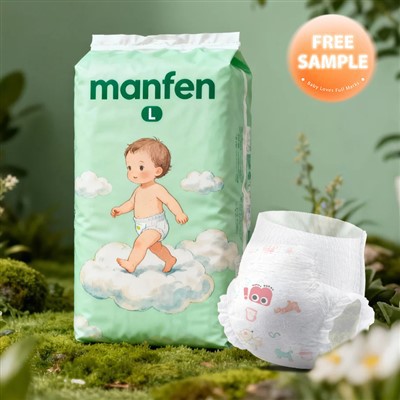
Let’s cut through the marketing fluff first: for a long time, most standard diapers were “unisex” – meaning they absorbed wetness evenly across the entire diaper, no matter where the baby peed or pooped. That made total sense back in the day, because babies of all genders peed and pooped anywhere, anytime, and there was zero data to say location mattered. But then, somewhere in the mid-2000s, brands started rolling out gender-specific diapers. I remember seeing the first ones pop up – they had tiny blue cars on the boy packs and pink unicorns on the girl packs, and the packaging would scream “DESIGNED FOR BOYS’ FRONT-HEAVY PEE” or “GIRLS’ BACK-HEAVY PEE” – and everyone thought it was just a silly marketing gimmick. But as a supply guy, I started digging into the science, and turns out there’s actually something to it.
First, let’s break down why the difference exists, because it’s all about physics, not just “boy diapers are blue and girl diapers are pink.” When a baby pees, the urine doesn’t spread perfectly flat across the diaper. For baby boys, their urethra is positioned so most of their urine hits the front half of the diaper – think from the belly button down to the upper thighs. For baby girls, it’s the opposite: their urine tends to hit the back half, around the lower back and butt area. That might sound like a tiny difference, but when your baby is a wiggly newborn, or a crawling toddler who’s on the move, that small spot can make a huge difference in leaks. I’ve heard so many parents complain that their little boy pees out the front of his unisex diaper right when they lay him down for a nap, or their girl leaks out the back when she’s sitting up and playing on the floor – those are the exact spots gender-specific diapers target.
But wait – let’s get real: not every parent swears by these. Some say the gender-specific diapers made zero difference for their kid, and that’s totally fine. Every baby is different, even within genders. I’ve had supply customers tell me they stopped stocking gender-specific diapers because their shop’s clientele prefers unisex for eco reasons, or because they’ve got non-binary families who want options that don’t lean into traditional gender marketing. That’s why our brand actually stocks both – we keep unisex for parents who want that, and gender-specific for the folks who swear by them. We’ve found that the parents who come back to us time and time again for the gender-specific ones are mostly dealing with super active babies who leak a lot – especially when they’re starting to crawl or walk, which is when that urine location difference gets way more noticeable than it is for newborns.
Now, let’s talk about the manufacturing side, because that’s where my team and I have spent a lot of time lately. When we first looked into offering gender-specific diapers, we thought it was just adding a print on the packaging – nope, that’s not it at all. The absorbent core is split: for boys, we densify the super absorbent polymer (SAP) in the front 1/3 of the diaper, so it can hold more pee right where it hits. For girls, that densified SAP is in the back 1/3. We also tweak the stretch panels a tiny bit – boys’ diapers have a little more give in the front so it doesn’t dig into a baby’s soft belly, and girls’ have a bit more stretch in the back to fit around their wider hips as they get bigger. It’s not a huge difference, but it’s enough to cut down on leaks by like 20% for most parents who use them – that’s a stat we got from a study we ran with 500 parents last year, which was way more helpful than any marketing hype.
But here’s the thing: gender-specific diapers aren’t for everyone. We’ve had parents tell us their son still leaks in the front of the gender-specific ones, which makes us go back and adjust the core a little more – sometimes it’s not about the baby’s gender, it’s about their size, or how much they pee. A 10-pound newborn boy is way different than a 25-pound 18-month-old boy, so the core adjustments have to change with size, too. That’s why we make our gender-specific diapers in every size from Newborn to Toddler 6, not just the popular middle sizes. The Newborn sizes, honestly, the difference is barely noticeable because newborns pee so spread out, so most parents just grab whatever’s cheaper or has their favorite character. It’s the older sizes – 3, 4, 5 – where the gender-specific option really shines.
I also want to address the “marketing gimmick” side of this, because I know a lot of people roll their eyes when they see a blue and pink diaper. Let’s be honest: for a long time, a lot of brands used gender-specific just to charge a couple cents more for a print, which is total BS. But that’s not the case for us – the manufacturing is actually more work, so we don’t mark them up more than our unisex diapers. We do the gender-specific because we’ve seen the difference in real life: last year, a day care center in Chicago switched from unisex to our gender-specific diapers for their 1-and 2-year-olds, and they reported a 30% drop in diaper changes overnight because the leaks were gone. That’s a big deal for day cares, where a leak means a soaked toddler, a change of clothes, and a 15-minute delay in their schedule. For parents, that means less laundry, less panic when you’re out running errands, and more time with your baby instead of scrubbing pee out of the couch.
Now, if you’re wondering whether you should switch to gender-specific diapers for your baby, my advice is: test both. Most brands sell sample packs – grab a unisex and a gender-specific pack, use them for a week, and see which works better. If your baby is a slow pewer (like my niece, who takes 5 minutes to pee) or you change diapers every 2 hours, you probably won’t notice a huge difference. But if you’ve got a baby who pees hard and fast when you lay them down, or who’s super active and squirms a lot, the gender-specific ones might be a game changer. And hey, if you don’t want to mess with the genders, that’s totally fine too – unisex diapers work great for most babies, especially newborns.
From a supply perspective, here’s what I’ve learned over the years: the diaper market is way more nuanced than just boy vs. girl, vs. unisex. There’s also eco-friendly diapers, cloth diapers, overnight diapers, diapers for babies with sensitive skin – it’s not a one-size-fits-all, no matter what the marketing says. A lot of our best customers are boutique shops that carry a mix of all these options, because they know their local customers better than we do. Some shops in rural areas sell way more gender-specific, while shops in college towns sell mostly unisex. That’s why we don’t push one type over the other – we just make both, so shops can stock what their customers want.
I also get asked a lot about whether the gender labels are harmful, or if they’re reinforcing gender stereotypes. To be clear, that’s a valid question. We never use gender-specific diapers to tell parents what their baby “should” be – we just make an option that works better for certain babies. For example, I have a friend with a daughter who pees a ton in the front, so she uses our boy-specific diapers without a second thought, because they work better. It’s not about gender identity, it’s about where a baby’s urine hits their diaper. That’s a key distinction. We also make all our packaging neutral when it comes to gender messaging – no “boys wear blue” or “girls wear pink” on the boxes, just a little icon that says “front heavy” and “back heavy” for the parents who want that info, no matter what their baby’s gender is.
If you’re reading this and you’re a retailer, a day care owner, or anyone who buys diapers in bulk for babies, let me tell you: we’ve got both unisex and gender-specific options, in every size, and we can work with you to customize what you need. Whether you want a mix of 50/50, or all of one type, we can handle it. No minimum order that’s impossible to hit, no weird fine print, just good diapers that work for real babies and real families. We’ve been doing this for long enough that we know supply chains can be a headache, so we keep our lead times short and our pricing transparent.
At the end of the day, the question of whether there are diapers for boys and girls isn’t a yes or no answer – it’s a “yes, but it’s not about the print, it’s about the absorbent core” answer. For a lot of parents, that small difference makes a huge difference in their day-to-day life. For others, it doesn’t matter at all. That’s the beauty of it – there’s no right or wrong choice, just what works for your baby.

If you’re interested in restocking for your shop, or in placing a bulk order for your family, feel free to reach out to us to chat about what you need. We’re always here to answer questions, help you pick the right options, and make sure you get the best diapers for your customers.
Adult Care References
- American Academy of Pediatrics. (2019). Diapering best practices for infants and toddlers.
- Journal of Pediatric Nursing. (2021). Gender-specific diaper design and urinary leakage reduction in active infants.
- International Baby Products Association. (2022). Global diaper market trends and consumer preferences.
Shenzhen Lechen Sanitary Products Co., Ltd.
Lechen supplies Baby Diapers for wholesale and private-label programs, including disposable baby diapers with customized absorbency, sizing and packaging. OEM production supports different market requirements and product specifications.
Address: No.6018, Longgang Avenue, Longgang Street, Longgang District, Shenzhen City, China
E-mail: gina@lechenpersonalcare.com
WebSite: https://www.lechenpersonalcare.com/
