If you’ve ever worked in construction, water restoration, agriculture, or even spent time in a mold-damaged old basement, you know that fungal spores are way more than just a nuisance. These tiny, invisible particles can float through the air, settle on surfaces, and trigger everything from minor allergies to serious respiratory issues—especially if you’re exposed over long periods. As someone who runs a protective clothing supply business, I get asked this question all the time: “What kind of gear actually stops these spores from getting to me?” It’s not a one-size-fits-all answer, and skimping on the right stuff can lead to weeks of sick days, lost work, or even worse. Let’s break this down like we chat with regular clients, no stuffy jargon, just what works. Protective Clothing
First, let’s get the basics straight: fungal spores are microscopic, usually between 2 and 10 microns in size. That’s way smaller than a grain of sand (which is like 1,000 microns, for reference). Most basic work clothes—think a cotton tee or flannel jacket—are way too porous. Those tiny spores can slip right through the fabric’s gaps like a key through a lock, settle on your skin, or get inhaled under your work gloves. So the first rule: you need gear that’s designed to block those small particles, not just keep you warm or dry.
Let’s start with the most important layer, the outer suit itself. Not all disposable coveralls are equal, trust me. The stuff that works for fungal spores is usually a laminated polypropylene fabric, or sometimes a polyethylene blend. These fabrics have tiny pores—way smaller than fungal spores, so the spores can’t get through, but they’re big enough to let sweat and steam escape so you don’t end up soaked and uncomfortable mid-job. I’ve seen guys grab the cheapest coveralls off Amazon for a mold remediation job, and within an hour, their arms were covered in mold spots because the fabric was just thin enough for spores to seep through. The right ones will have a rating that’s tested for “particulate barrier”—look for labels that say they block at least 95% of 1-micron particles, because that’s the sweet spot for fungal spores. Some of our top sellers here are the lightweight, breathable laminated polypropylene coveralls that even have taped seams—wait, taped seams are non-negotiable, by the way. Regular stitched seams have tiny gaps where spores can leak through, even if the fabric itself is a barrier. Taped seams melt or fuse the fabric layers together, so there’s no room for spores to sneak in. We’ve had a commercial restoration client tell us that switching to our taped-seam suits cut their mold-related worker complaints by 70% in just three months—proof that the small details matter.
Next, gloves. This is another spot where people cut corners, and it’s a big mistake. Fungal spores love to get on your hands, then you touch your face, your mouth, your tools—boom, exposure. Latex gloves are a no-go here, unless you’re just handling a small mold spot for a minute. Latex is porous, so spores can get through over time, especially if you’re working with water that breaks down the material. Nitrile gloves are way better, but even not all nitrile is equal. For fungal spores, you need thick nitrile (at least 5 mils, but 8 mils is even better for long jobs) or butyl rubber gloves for extra tough stuff like handling contaminated materials. Our go-to for general mold work is 8-mil nitrile exam gloves—they’re durable, don’t tear easy, and block almost all spores. If you’re doing heavy work, like removing drywall that’s covered in mold, go for the nitrile-coated fabric gloves with a rubber palm grip—they keep spores off your skin and give you the traction you need. Pro tip: always make sure your gloves go up at least 2 inches past the wrist of your coveralls, so there’s no gap between the suit and the glove where spores can get in. I’ve seen too many workers pull their gloves up too high, leaving a bare spot, and that’s exactly where the rashes or irritation start.
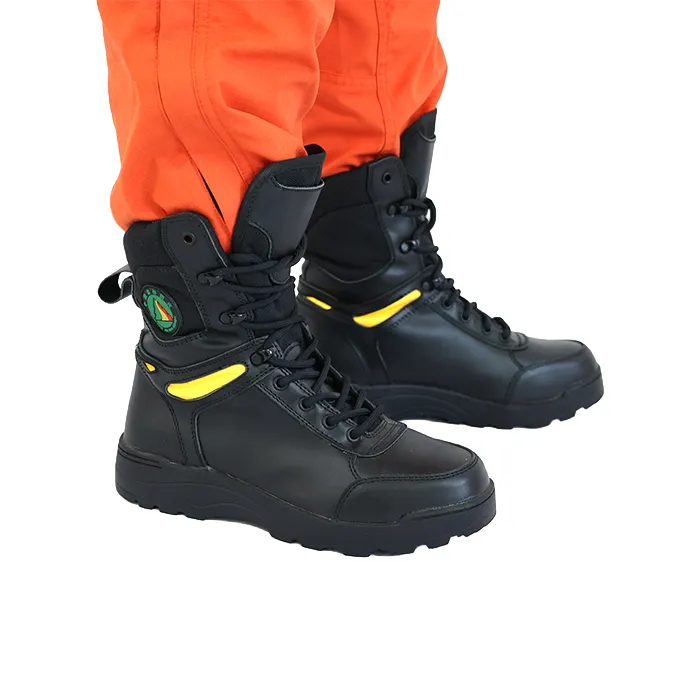
Then, footwear. People sleep on this, but fungal spores can cling to your shoes, get tracked back to your truck, your house, your office—endangering everyone else. Regular work boots with fabric liners are bad news, because spores can get trapped in the fabric. You need boots that are fully lined with a non-porous material, like rubber or PVC. Some of our clients even use disposable boot covers that slip over their work boots—these are perfect for short jobs, like walking through a moldy crawl space, because you can just peel them off when you’re done and throw them away. For longer jobs, though, invest in a pair of chemical-resistant rubber boots. We’ve had a construction worker tell us he used regular leather work boots for a water damage remediation job, and a week later, his boot had mold growing inside because spores seeped through the leather’s pores. Don’t make that mistake. Also, make sure the boot covers or boots go all the way up to the bottom of your coveralls’ legs, no gaps there either.
Now, what about other layers? If you’re working in a cold environment, like a basement in winter, you might want to wear thermal underwear under your protective suit. But here’s the catch: the underwear has to be made of a non-porous material, not cotton. Cotton absorbs moisture, and moisture can get trapped between your skin and the protective suit, making it easier for spores to grow on your skin over time. We recommend polyester or spandex blend base layers—they wick sweat away, don’t hold moisture, and won’t let spores seep through. Never, ever wear cotton socks under your boot covers, either—go for moisture-wicking synthetic socks, and change them if your feet get wet.
Wait, let’s talk about when you might need extra protection. For really high-exposure jobs, like removing toxic black mold (Stachybotrys chartarum) or working in a fungal outbreak, you might need a full-face respirator and a hood that’s attached to your coverall. The hood is key because spores can get in your hair or on your face, leading to sinus infections or eye irritation. Some of our coveralls come with integrated hoods that have elastic edges, so you can pull them tight around your face seal to your respirator mask. That way, there’s no gap between the hood and the mask where spores can get in. For the respirator, make sure it’s a N95 or higher—N99 or N100 if you’re dealing with super small spores. A lot of people wear a cheap N95 that doesn’t fit right, and that’s useless. If air can leak around the edges of the mask, spores are getting in. We offer fit tests for all our clients who are ordering respirators, because a good fit is way more important than the rating on the box.
Now, let’s bust a common myth: disposable vs. reusable gear. Some guys think disposable is cheap and good enough, but reusable suits can be just as effective if you clean them right. Wait, no—let’s get this straight: disposable suits are designed for single use, so you don’t have to worry about decontaminating them. If you’re doing a big mold job, disposable is easier, because you can just take the whole suit off and throw it in the hazardous waste bin when you’re done, no cleaning required. Reusable suits, though, need to be washed in hot water (at least 140 degrees Fahrenheit) with a disinfectant that kills fungal spores, then dried on high heat. A lot of people don’t do that, so their reusable suits end up covered in spores after a few uses, and they’re just spreading them around. We always tell clients: if you’re doing a job where spores are toxic, go disposable. If it’s a small, low-exposure job, reusable works as long as you clean it properly.
I also want to mention fit. A lot of guys buy protective suits that are too big, so there are baggy areas where spores can get trapped, or too small, so it’s tight and uncomfortable, and you might pull at it and create gaps. You need a suit that fits snug but not restrictive—enough room to move your arms, bend your knees, but no extra fabric hanging loose. We offer a range of sizes, from small to 5XL, and we always tell clients to measure their chest, waist, and inseam before ordering, because a good fit makes all the difference in protection.
Now, let’s talk about what not to wear. I’ve seen workers wear long sleeves under their suit, but loose sleeves that hang over the suit’s wrists—spores can get under those sleeves. Or wearing a watch or jewelry, which can catch spores and be hard to clean. Or wearing shorts or pants that are too short, leaving gaps at the ankle. All of these small things add up to exposure. Even something as simple as not tucking your shirt into your pants can let spores get in. It’s the little details that keep you safe.
At the end of the day, the right protective gear against fungal spores isn’t just about buying the most expensive stuff—it’s about picking gear that’s designed to block particulate matter, has sealed seams, fits well, and matches the job’s level of exposure. If you’re a construction worker doing a quick mold check, you don’t need a full hazmat suit—just a good pair of nitrile gloves, a breathable coverall, and an N95 mask. If you’re doing a full mold remediation of a house, you need the taped-seam coverall, full rubber boots, a hooded suit, and a proper respirator.
Here’s the thing: I’ve been in this industry for over 10 years, and I’ve seen way too many guys get hurt because they cut corners on their protective gear. Fungal spores aren’t something to mess with—they can cause long-term health issues, not just a runny nose. If you’re not sure what gear is right for your job, or if you have questions about fit, fabric, or anything else, don’t hesitate to reach out to us. We’re not just a protective clothing supplier—we’re guys who’ve been in the field, we know what works, and we’ll help you pick exactly what you need, no sales pitch, just straight answers. Whether you’re a small contractor, a restoration company, or even a homeowner tackling a small mold spot, we’ve got the gear to keep you safe.
If you’d like to chat more about the right protective clothing for your specific needs, feel free to get in touch to discuss your requirements.
Firefighting Gloves References
- Occupational Safety and Health Administration (OSHA). Fungal Spores and Mold in the Workplace. U.S. Department of Labor, 2022.
- National Institute for Occupational Safety and Health (NIOSH). Respiratory Protection for Fungal Spore Exposure. Centers for Disease Control and Prevention, 2021.
- ASTM International. Standard Specification for Protective Clothing for Particulate and Microbial Barrier Use. ASTM D7003-21, 2021.
Zhenjiang Linhao Forest Fire Prevention Equipment Co., Ltd.
Zhenjiang Linhao Forest Fire Prevention Equipment Co., Ltd. is one of the most reliable manufacturers and suppliers of protective clothing in China, featured by quality products and low price. Please rest assured to wholesale customized protective clothing from our factory. Contact us for quotation and free sample.
Address: No.16, Fenghuangshan Road, Runzhou District, Zhenjiang City, Jiangsu Province
E-mail: lh@lhfirefighting.com
WebSite: https://www.lhfirefighting.com/
